
What are geogrids?
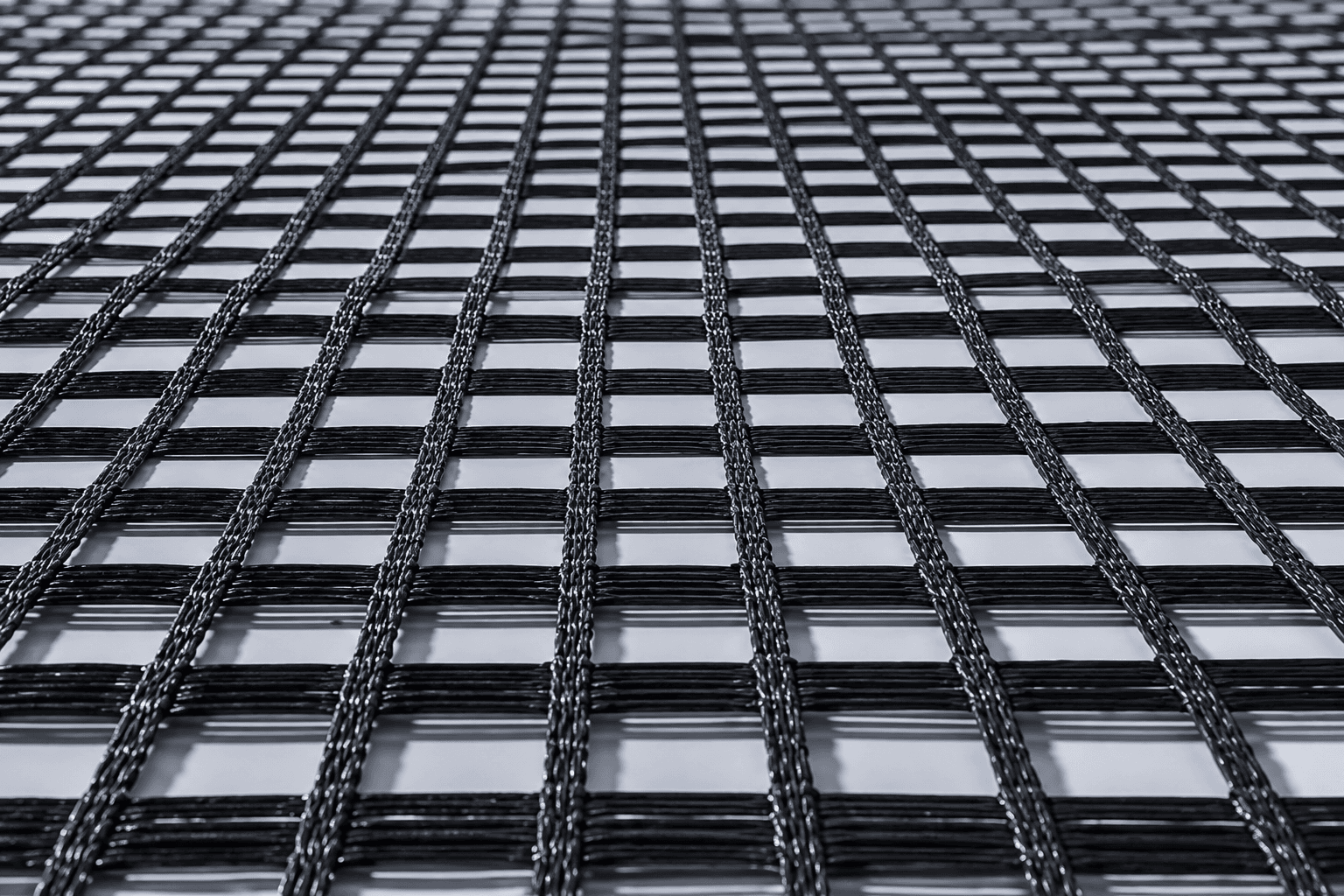
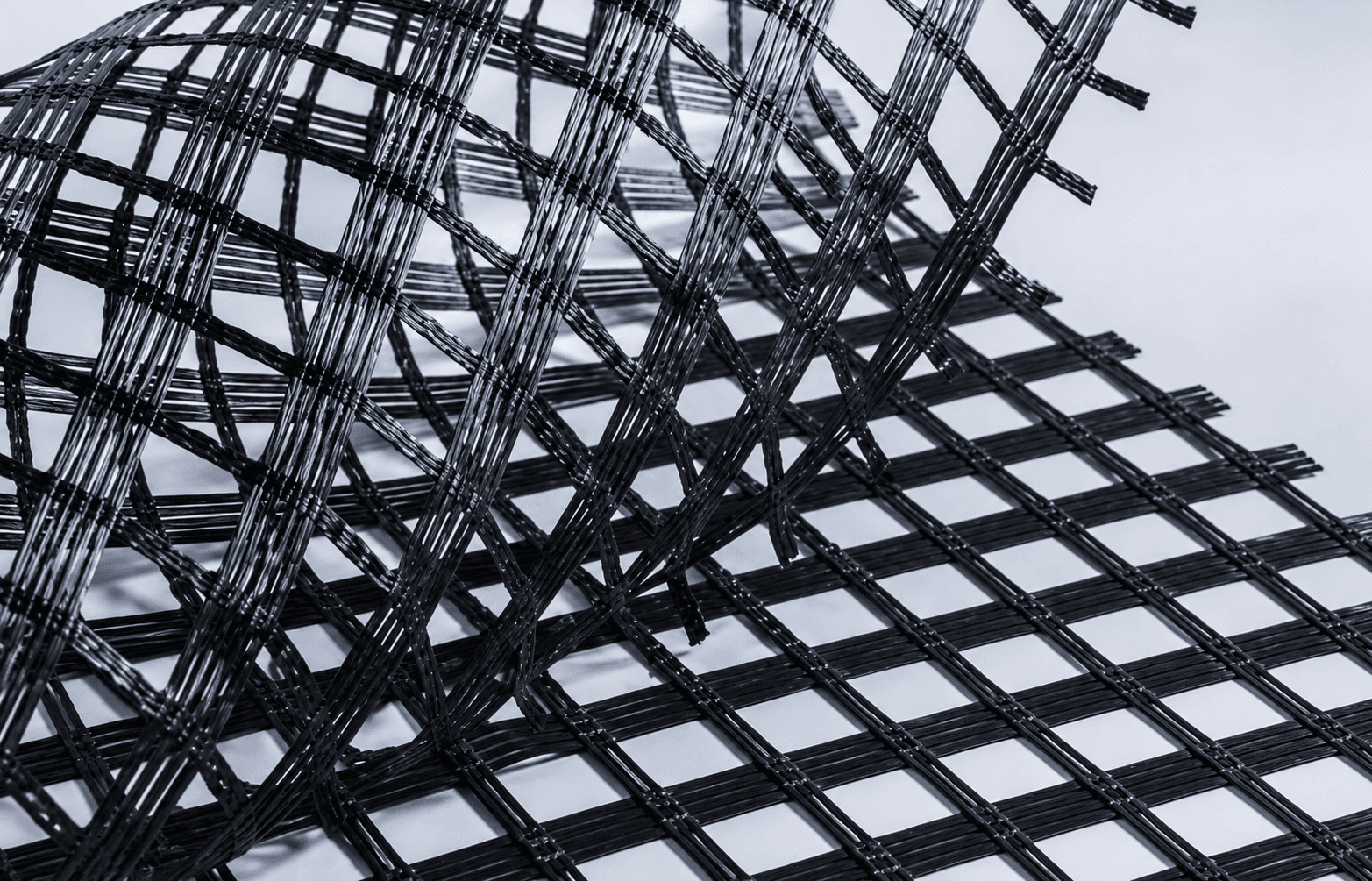
A geogrid is a precision-engineered, polyester fabric with a grid-like structure, which intersects to form a net to restrain or anchor materials laid inside it. These intersecting lines of the geogrid structure are called ribs, with an open space between a set of four ribs called an aperture. The primary purpose of a geogrid is to strengthen or reinforce soil, allowing soil particles to lock into its open meshes. By anchoring the infill material in its place, geogrids distribute loads over larger surface areas and provide soil reinforcement or stabilization. Geogrids are a preferred choice to address typical civil engineering challenges such as soft soils, high material costs, and ground improvement needs that require enhanced soil stability and improved load-bearing capacity.
At Strata Geosystems, our geogrids are made from high grade polyester yarn with special high-tenacity, and low-creep properties. The yarn is knitted into a dimensionally stable network of apertures, which then provides tensile reinforcement to soil in both vertical and horizontal directions. This strength makes our products (StrataGrid and StrataSGB) ideal for heavy infrastructure applications such as highways, roads, and bridges, high-load foundations retaining walls, and mining or landfill projects. The proven strength, and quality of our products, even in the most chemically aggressive environments is backed by end-to-end support from design stage to installation support with our team of engineers.
With over 20 years of expertise as India’s largest geogrid and geocell manufacturer, we deliver high-performance geosynthetics that ensure superior stability and durability. Our products meet stringent standards set by the US Department of Transportation, Federal Highway Authority, NHAI, and other global authorities, and are trusted by projects worldwide.
How are geogrids made?
To manufacture geogrids, the starting point is high-grade yarn fibers. At the Strata Geosystems factories in Gujarat, India, woven geogrids begin their life in the manufacturing process with specialized high tenacity polyester yarn made from PET polymer. Our geogrids come with a Polymer Modified Bituminous (PMB) UV coating to handle even the most aggressive chemical climates. With a high molecular weight and low CEG, our geogrids beat global standards, with a shelf life of over 100 years.
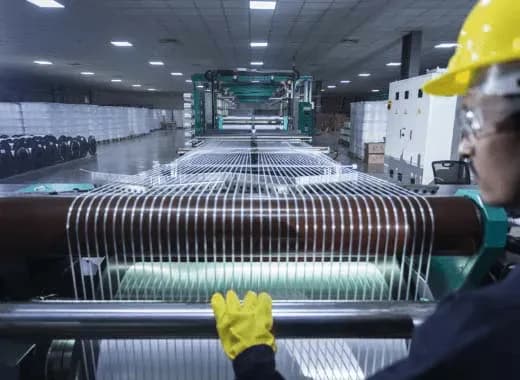
The fiber is put through the process of beaming, where in yarn is pulled from the creel, and wound onto a large cylindrical beam. With automated machinery, this process drives uniformity in yarn tension. After this, the yarn undergoes precision-knitting followed by a low-temperature coating process to ensure controlled elongation. Each step has been designed to deliver a quality product that is unmatched in performance on site. With custom lengths and widths available, our machines can provide roll lengths as per your project needs.
A predetermined number of yarn ends are pulled from a creel and are wound onto a large cylindrical beam. We have fully automated, highly sophisticated beaming machinery, which ensures uniformity in yarn tension and take-up and unwinding stability
Using state-of-the-art knitting machines, high tenacity Polyester yarn is precision-knitted into a dimensionally stable network of apertures that serves as a highly stable, high modulus precursor to the coating process.
The greige fabric obtained from the processes described above is taken on to a one-of-a-kind, ultra-modern coating machine where the greige fabric is coated with a proprietary SBR-based coating compound, which lends it durability, dimensional stability and resistance to installation damage.
Beaming
What are the types of geogrids?
What are uniaxial geogrids?
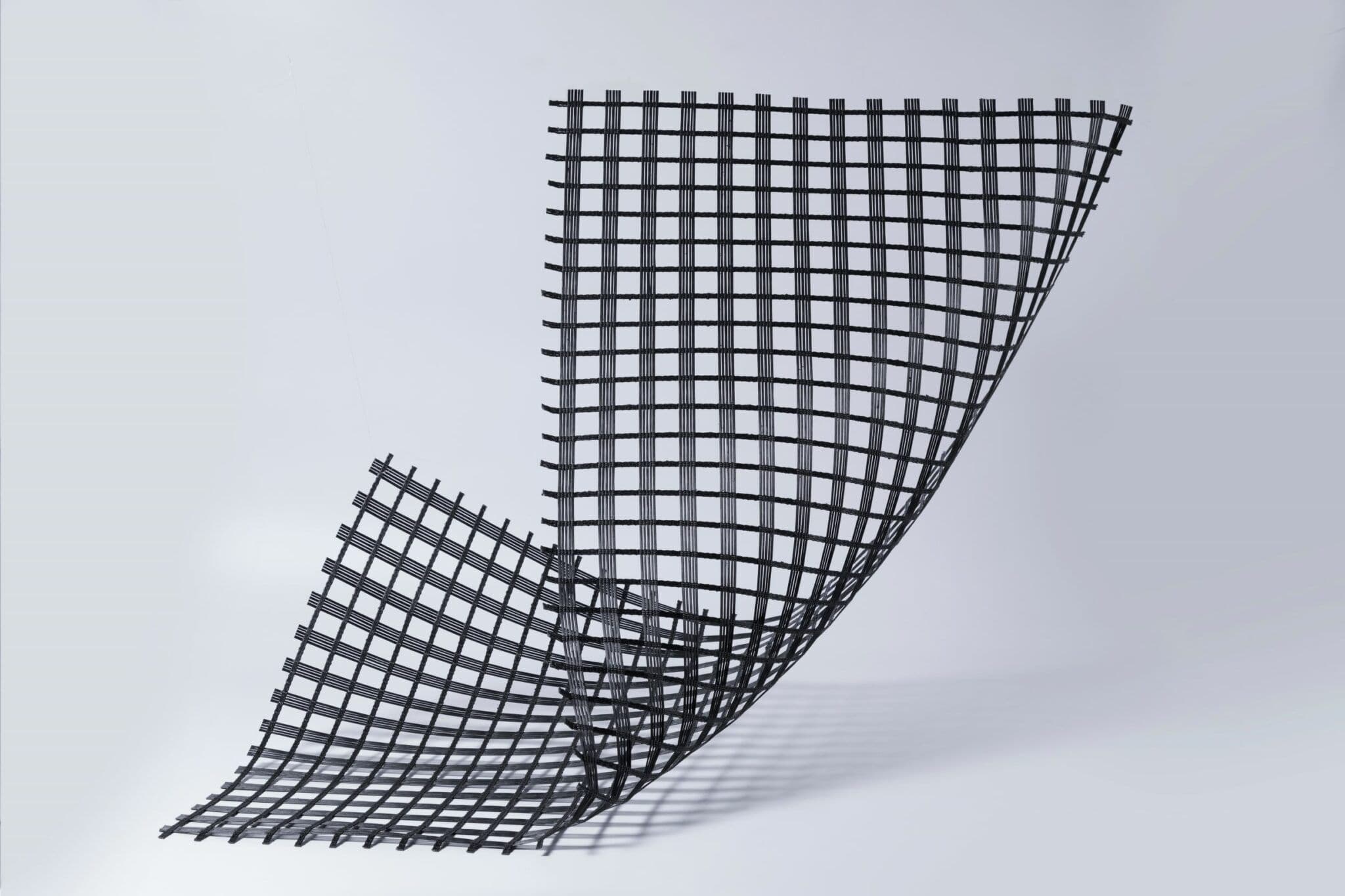
By its definition, a uniaxial geogrid provides structural strength, and stress resistance on a single axis; i.e. longitudinal in the direction of the roll. It consists of three components: high-strength polymer ribs (tensile members), transverse bars or nodes (spacing and anchorage) and apertures for soil-interaction mechanism. The ability to withstand longitudinal stresses or loading in instances where the surface undergoes repetitive loading in a specific direction.
Application of uniaxial geogrids
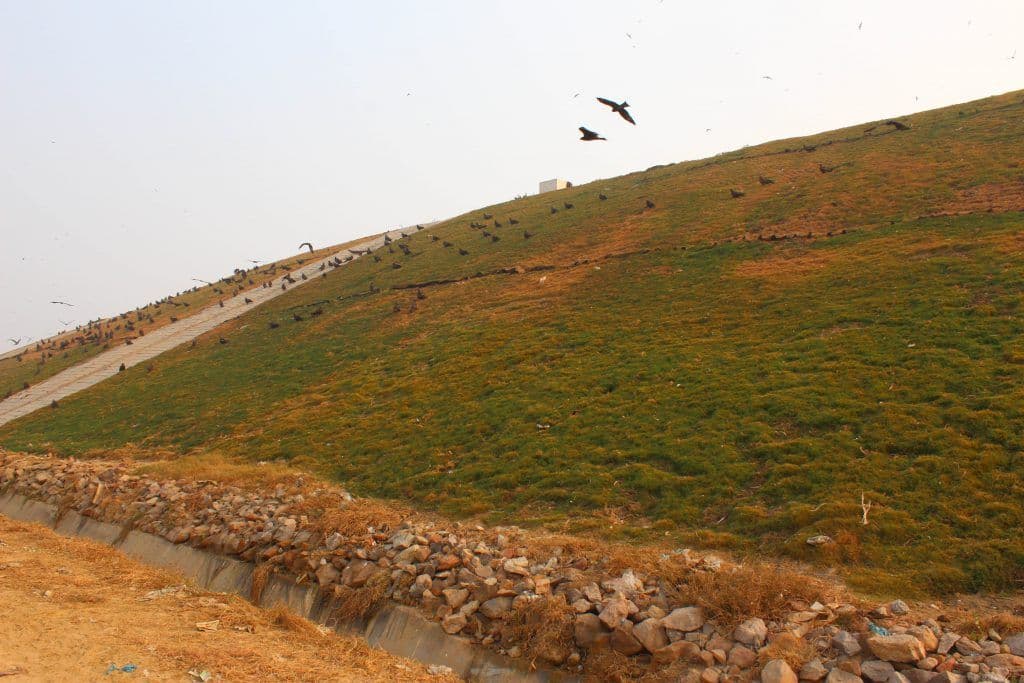
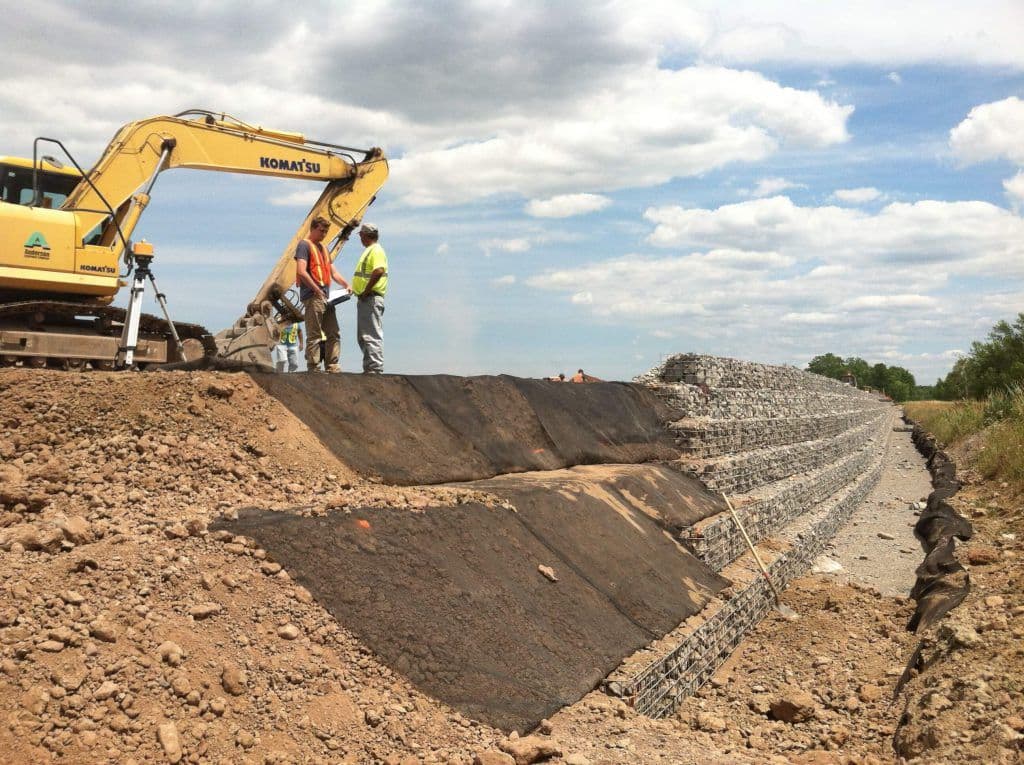

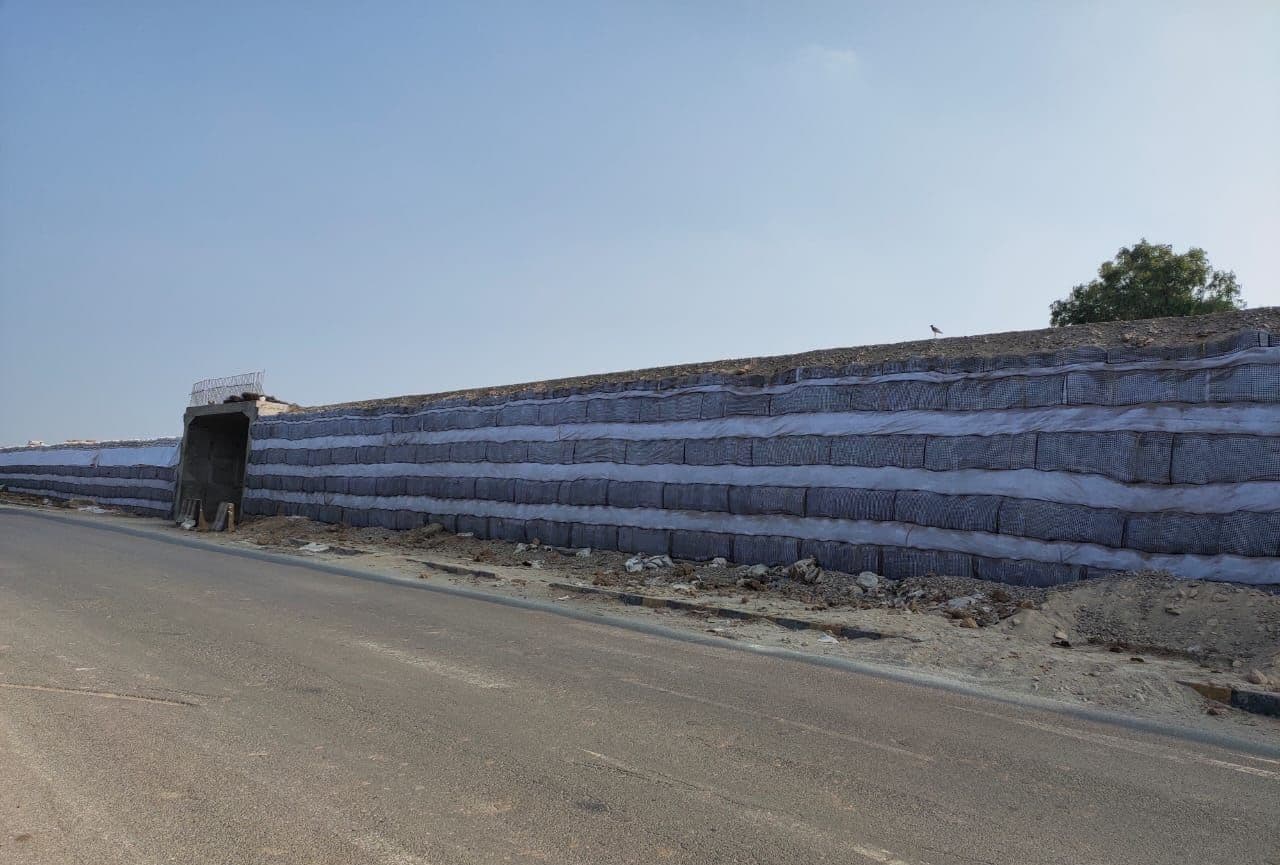
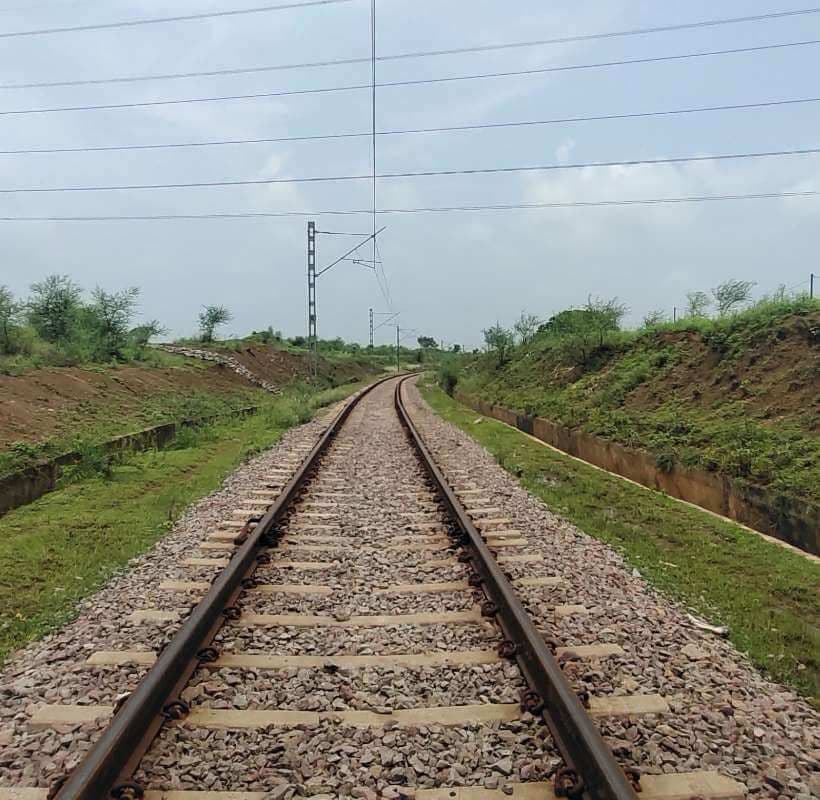
Strata Geosystems geogrids

StrataGrid™
StrataGrid™ Biaxial
How do geogrids work?
Geogrids, defined as a type of mesh or net, belong to a category of materials called geosynthetics and were invented for the purpose of soil stabilization in geotechnical engineering.
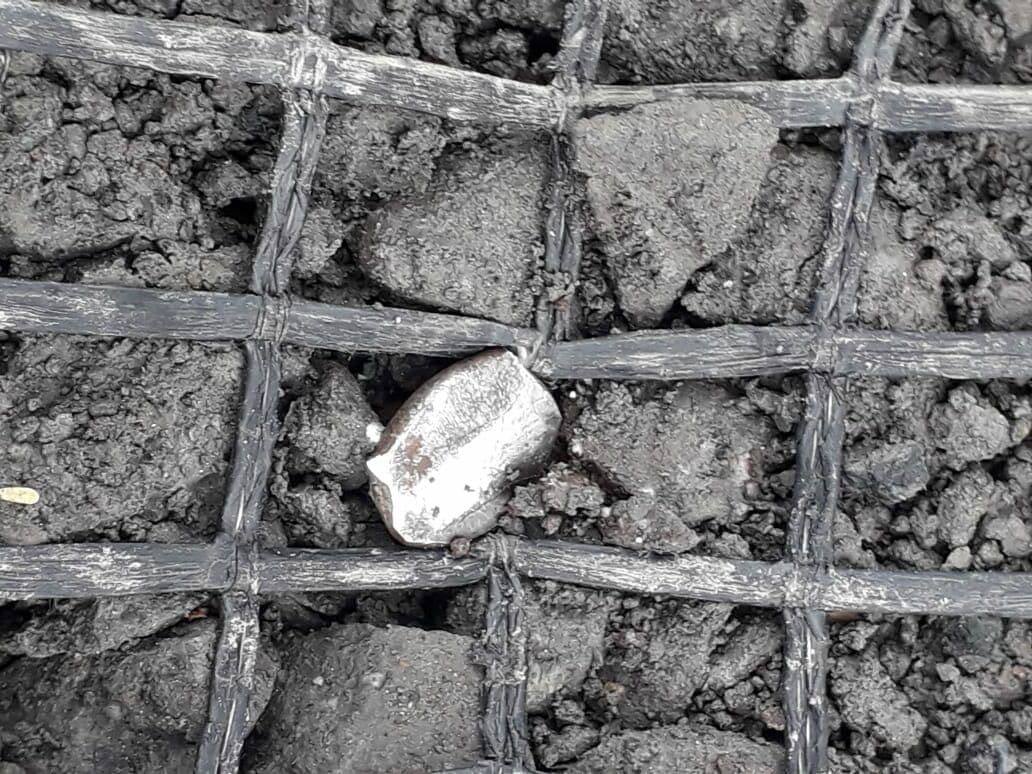
Geogrids work to improve soil stability and resistance through a mechanical interlock, where aggregate material or soil penetrates the geogrid’s apertures, creating a strong bond. This mechanism is the function of soil-grid interaction that restrains the earth material and minimizes its movement. Three key factors affect the strength of the geogrid and resulting stability: thickness or size of the aperture, thickness of the polyester or the ribs, and junction strength. Choosing a geosynthetics manufacturer whose geogrid specifications meet your requirements is crucial when selecting a brand, as they affect multiple soil properties, including shear strength, angle of repose, tensile strength, and load-bearing capacity, among others.
Geogrid serve 2 purposes
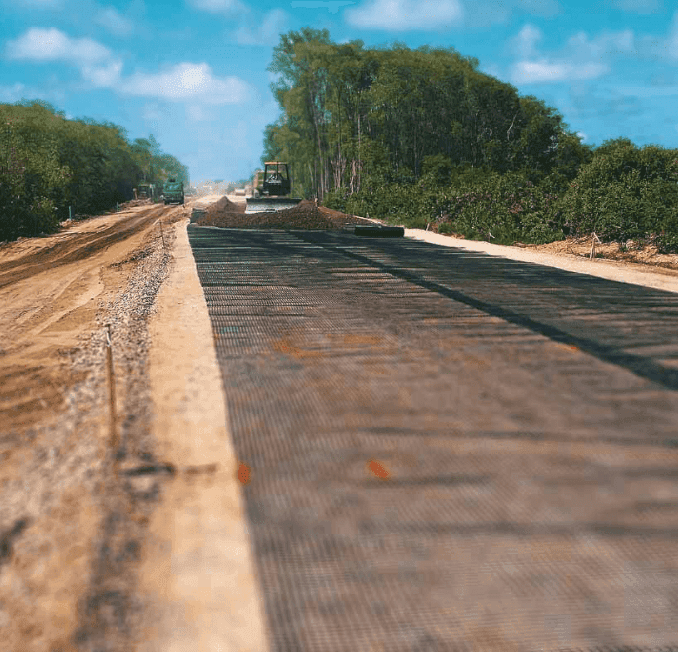
When using geogrids to improve soil (mechanically) to improve the subgrade or base, we typically apply a roll or more of geogrids over aggregate or infill material to reduce the pavement thickness, or reduce infill material costs. In this instance, the primary concern would be to address settlement, load distribution, and soil needs to be contained.
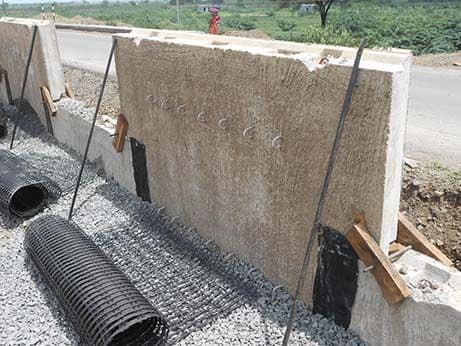
Where the goal is to prevent soil movement and in turn stabilize the earth material, geogrids can be used horizontally; for example, in paved roads, railway trackbeds, landfills or vertically for slope stabilization, foundation reinforcement, and embankment reinforcement.
The apertures of the geogrids work like small meshes which hold down the material it’s laid over. Aggregates of different sizes, soil of different types, and other local in-fill material is usually used under a layer of geogrid to either reduce the amount of material needed.
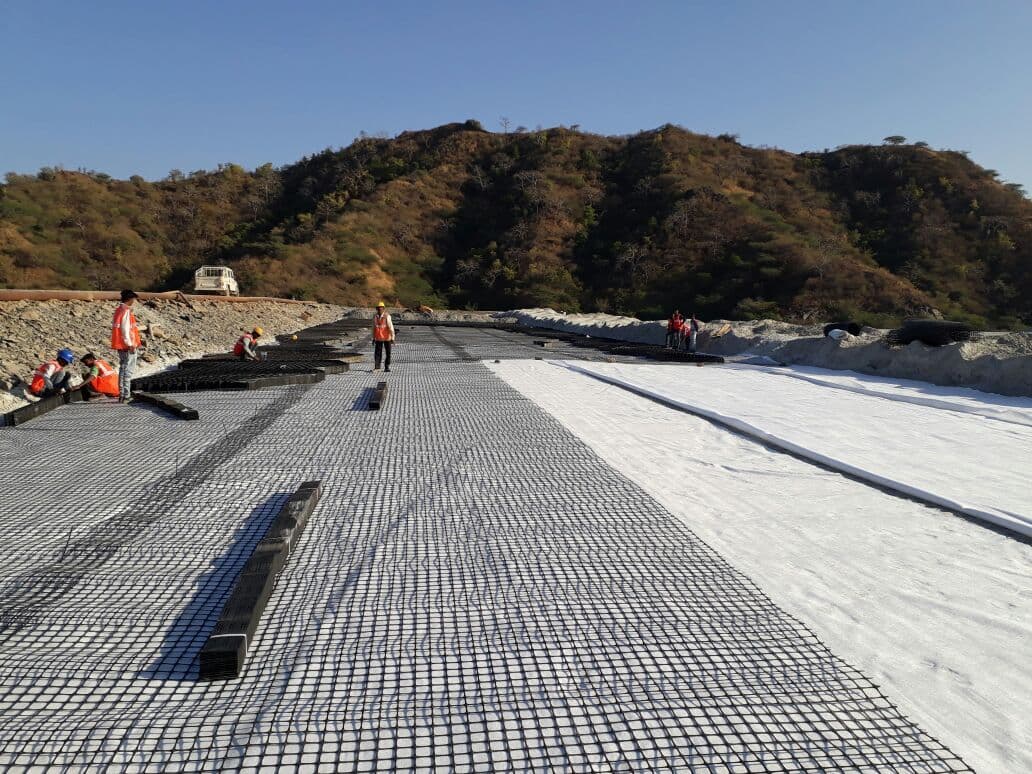
Soil improvement using geogrids
What are the uses of geogrids?
Geogrids, a type of geosynthetic material, were invented for their ability to withstand high load-bearing capacity, and in turn strengthen the soil around it. It’s essentially a soil stabilization product that anchors the material it secures. The design of the geogrid, be it uniaxial or biaxial, is such that it renders infill material, aggregate, or soil with a higher amount of shear strength through its capacity to withstand higher loads across a wider geographical area.
Success Stories
Infrastructure demands solutions that perform under pressure. See how our certified systems and expertise have delivered long- term stability in projects across the globe.
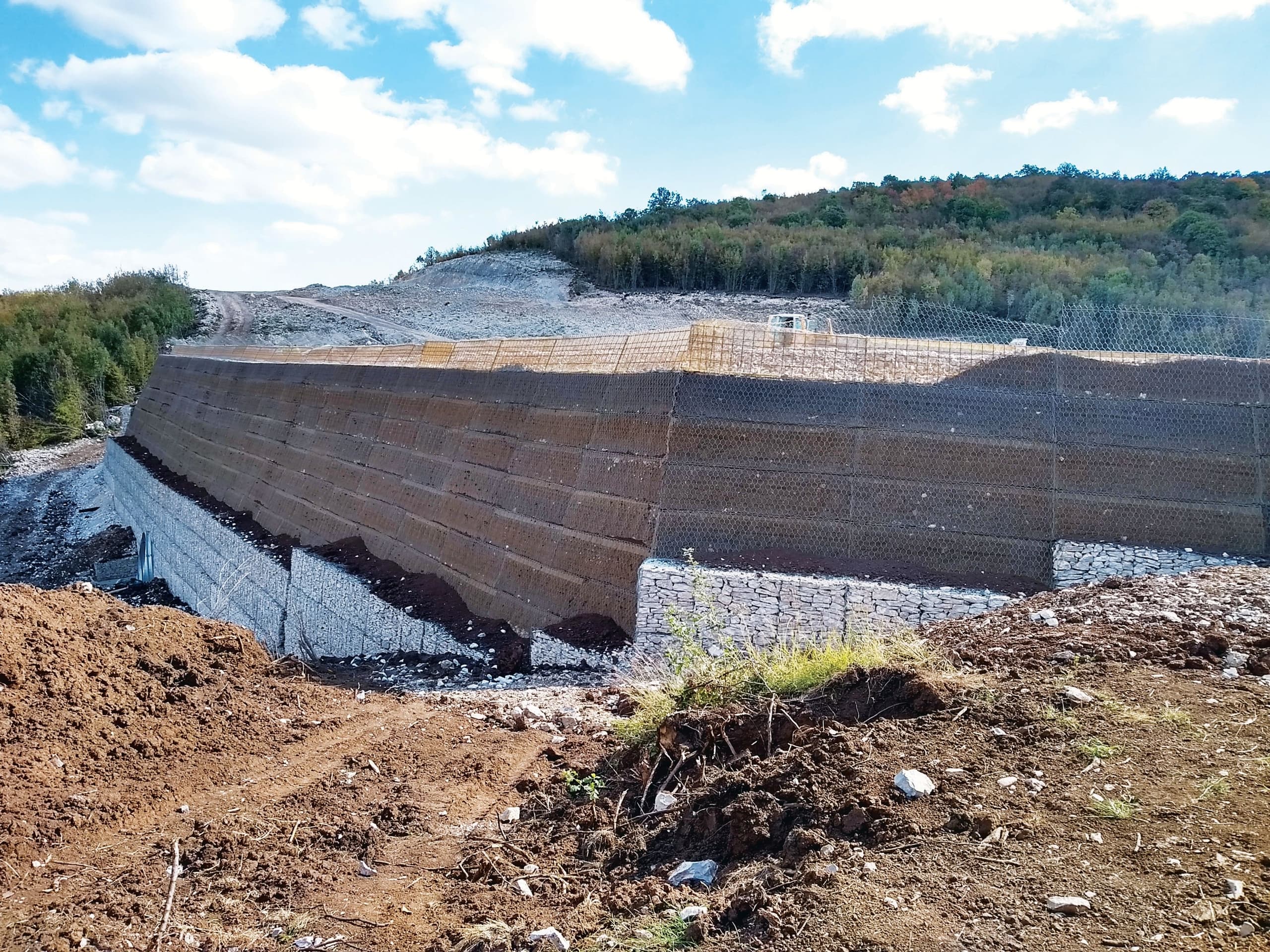
Hemus Motorway, Bulgaria