
Overview
What is drainage management
On a road project, drainage management covers three tasks: collect water from the pavement and slopes; convey water along a stable channel or system and discharge water at a safe outlet, without erosion.
For construction teams, that means fewer flooded stretches, fewer failures at approaches and transitions, and fewer emergency repairs in monsoon.
Water either moves in a controlled way or damages the road.
Drainage management collects, carries, and discharges surface and subsurface water so pavements, embankments, and side slopes stay stable over the design life. Without proper drainage, water enters base and subgrade layers, softens the soil, and leads to rutting, cracking, and edge failure.
On highways and urban roads, pavements stay exposed to rainfall, runoff from adjacent land, and groundwater. If water stagnates in channels or behind structures, erosion starts, fines pump out, and maintenance work follows year after year. Good drainage design avoids that cycle.
Flexible geosynthetic linings handle settlement and minor ground movement without cracking. Joints remain tight, and water stays in the designed flow path.
Advantages of drainage management
Protection of pavement and subgrade
Effective drainage management keeps water out of the base and subgrade. Subgrade strength remains consistent, and the pavement delivers the design performance instead of degrading after a few monsoons.
Reduced erosion and soil loss
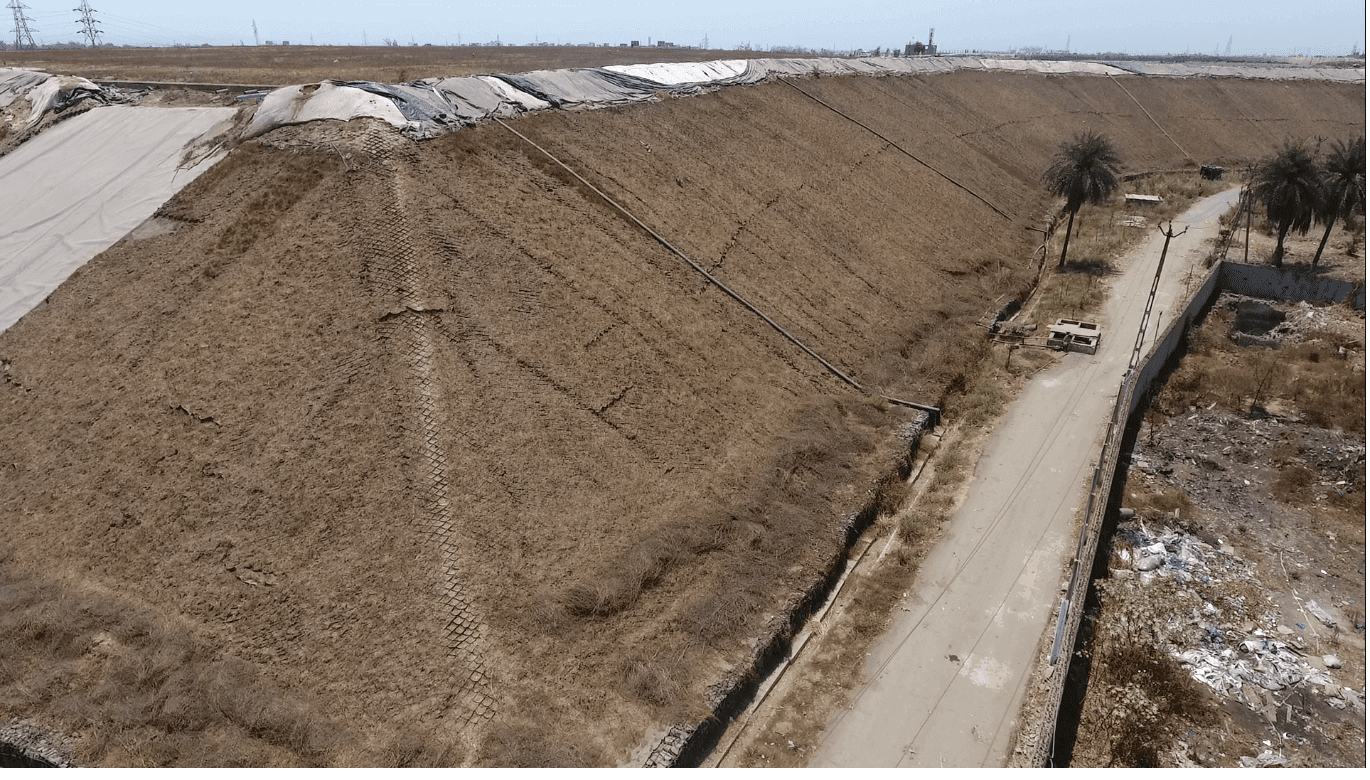
Uncontrolled runoff cuts into slopes, drains, and shoulders. Stabilised channels and lined slopes hold the soil in place, even when rainfall intensity spikes. That also limits silt movement into culverts and cross-drainage works.
Improved pavement durability
Dry layers perform better. With drainage handled properly, pumping of fines, edge break, and reflective cracking reduce sharply. Resurfacing cycles stretch out, and lane closures for repairs drop.
Lower maintenance requirements
Well-detailed drains and internal drainage layers demand basic desilting and inspection, not constant rebuilding. This brings down life-cycle costs on BOT and HAM projects and supports performance-based maintenance contracts.
Long-term infrastructure performance
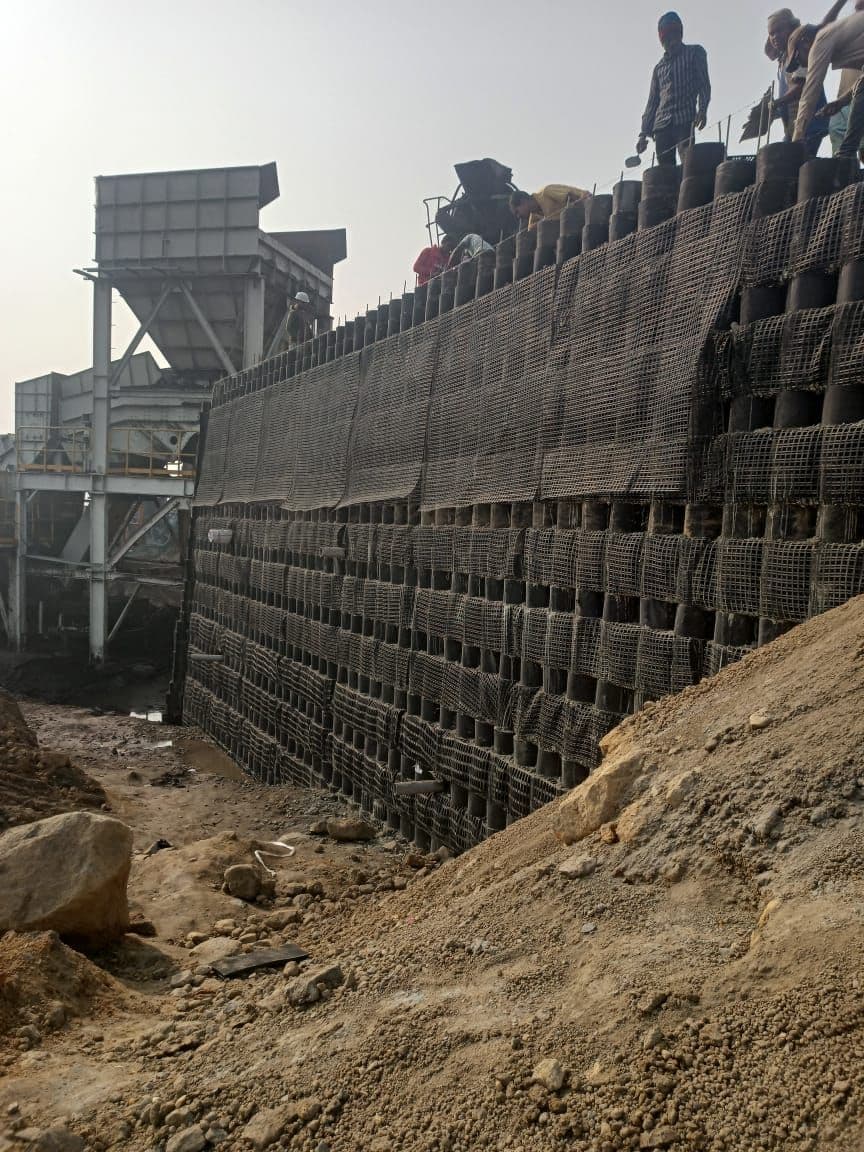
Stable drainage supports everything around the pavement: reinforced soil walls, approach embankments, culvert inlets and outlets, and side slopes. Once water paths are defined and protected, the structure behaves as per design.
Typical use cases for drainage systems
Roadside drains
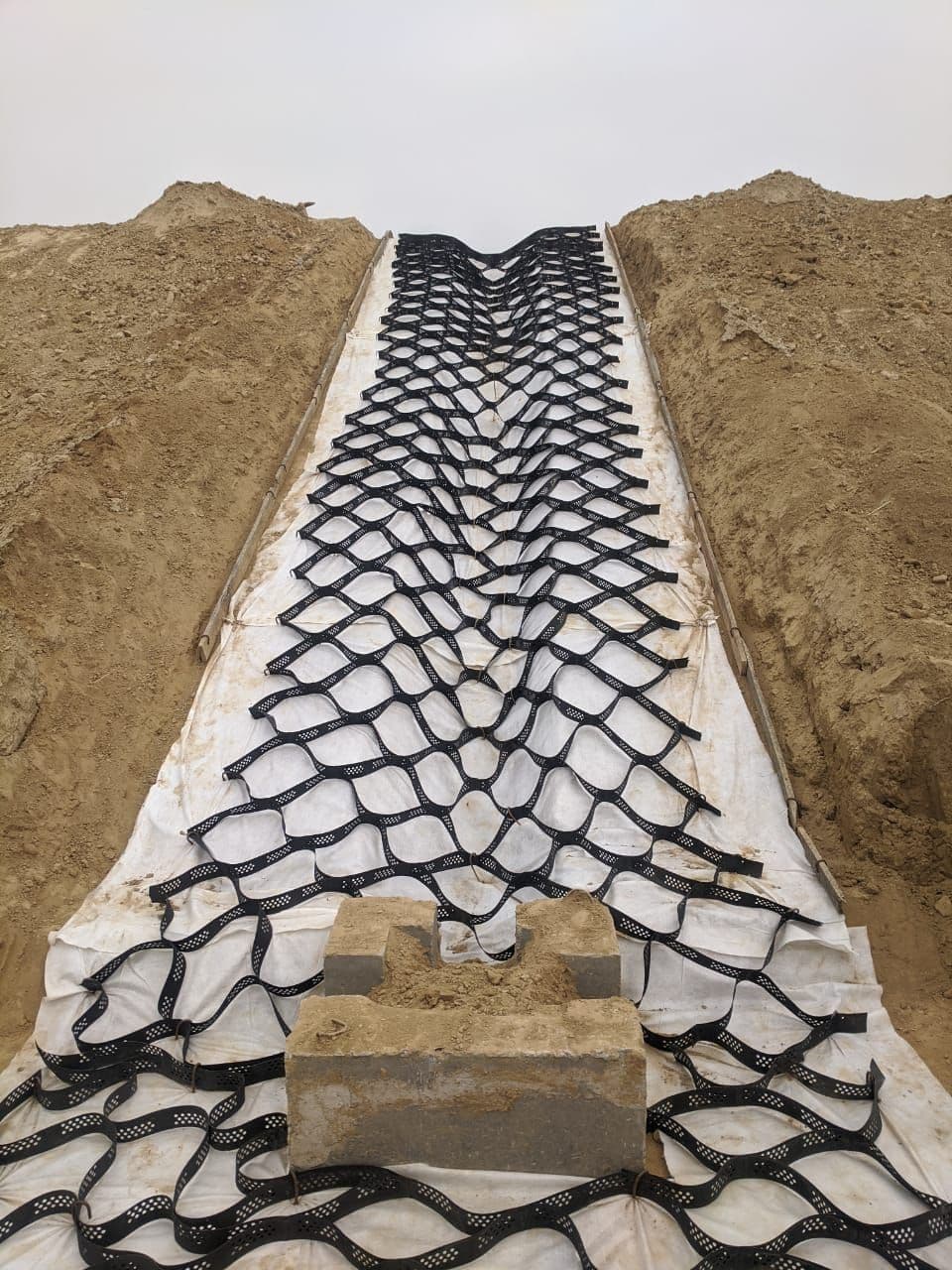
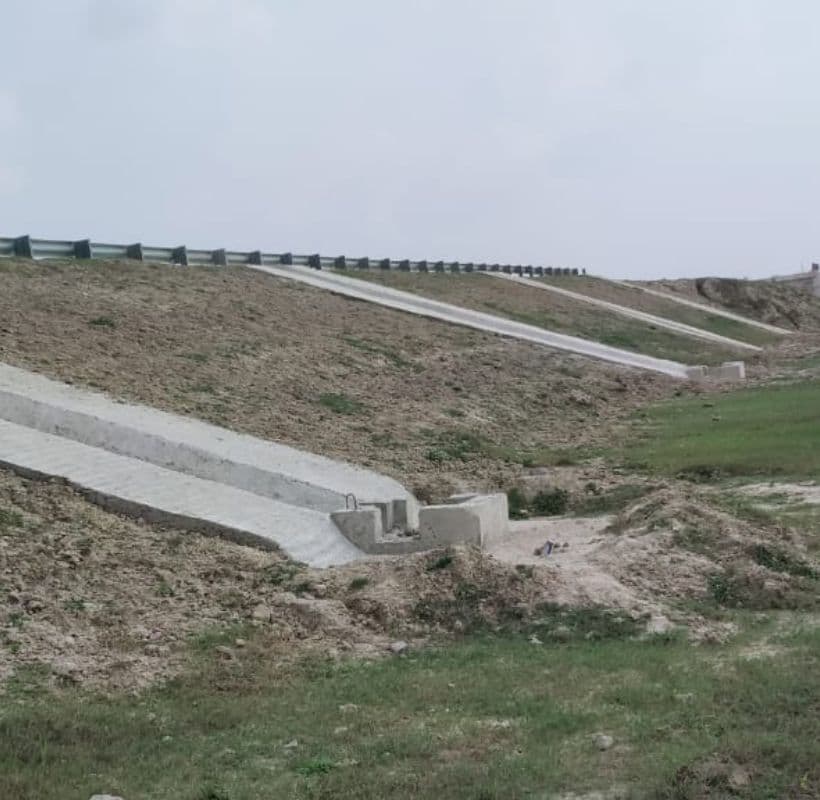
Chute drains
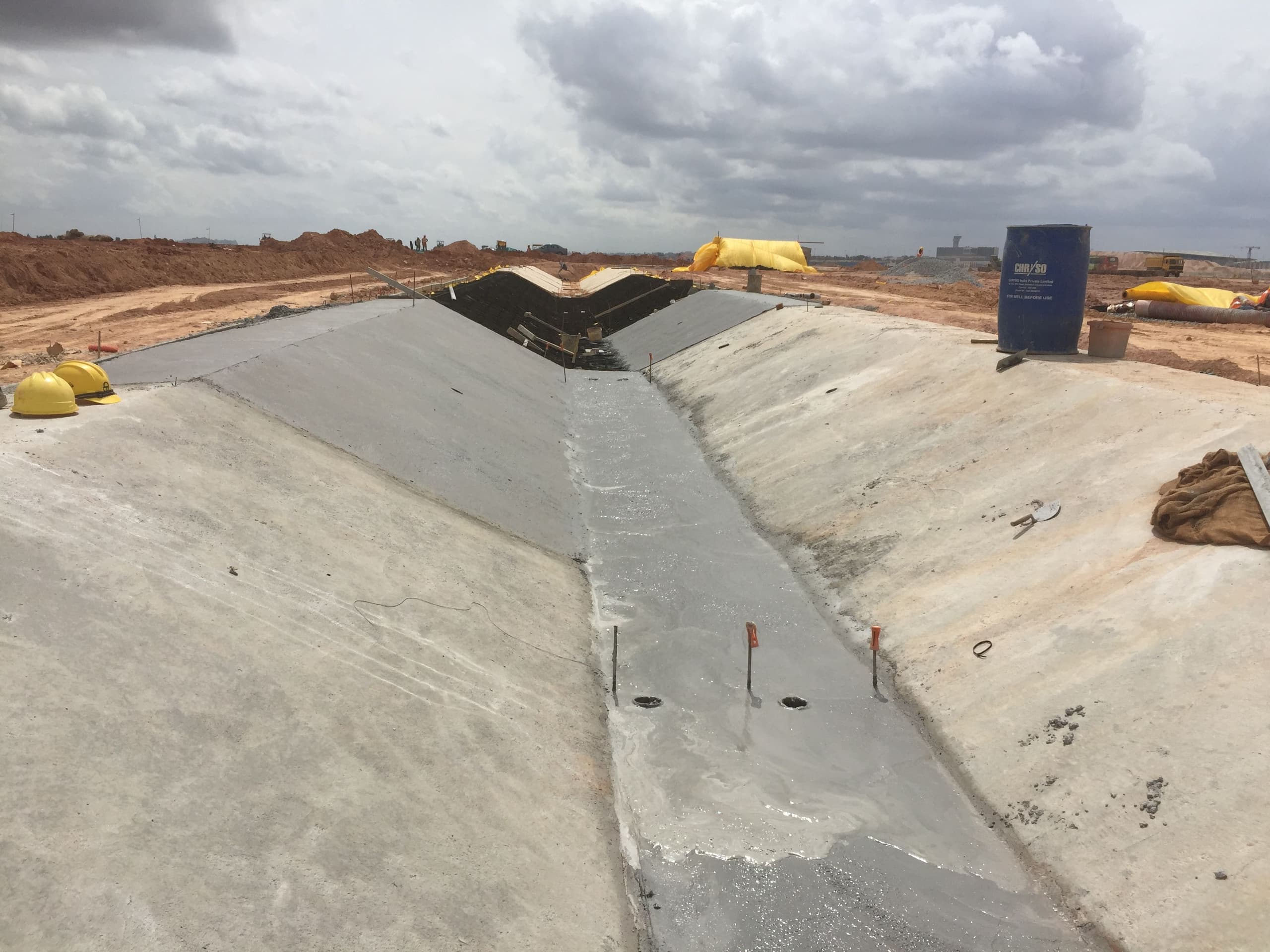
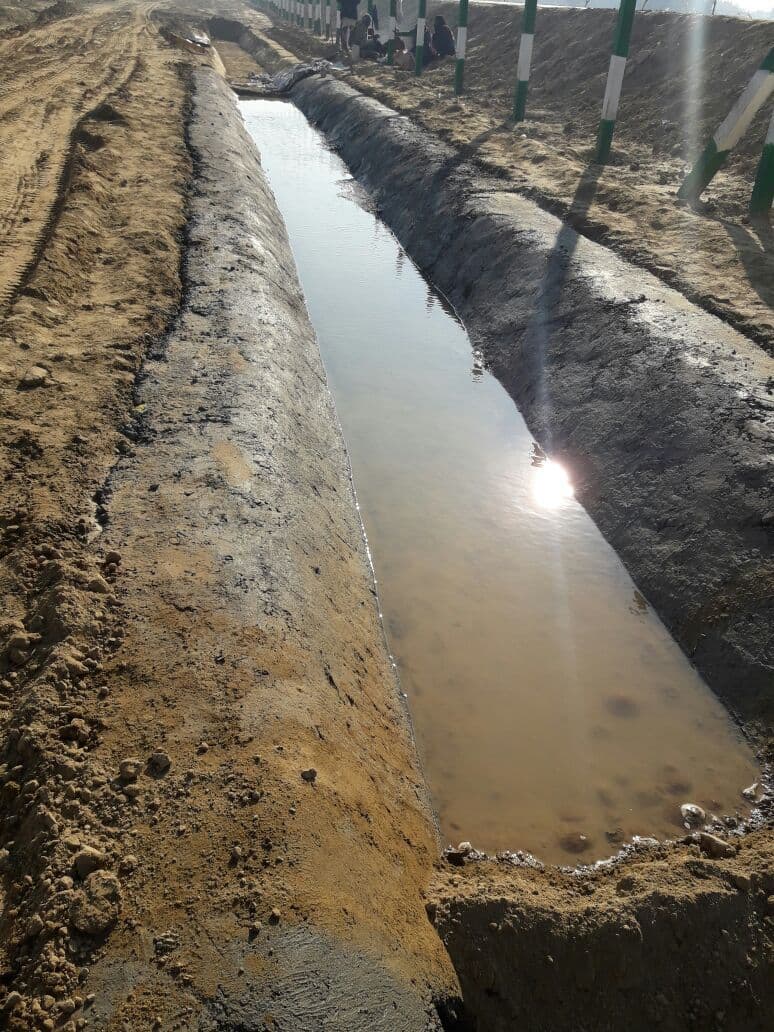
Highway canals and channels
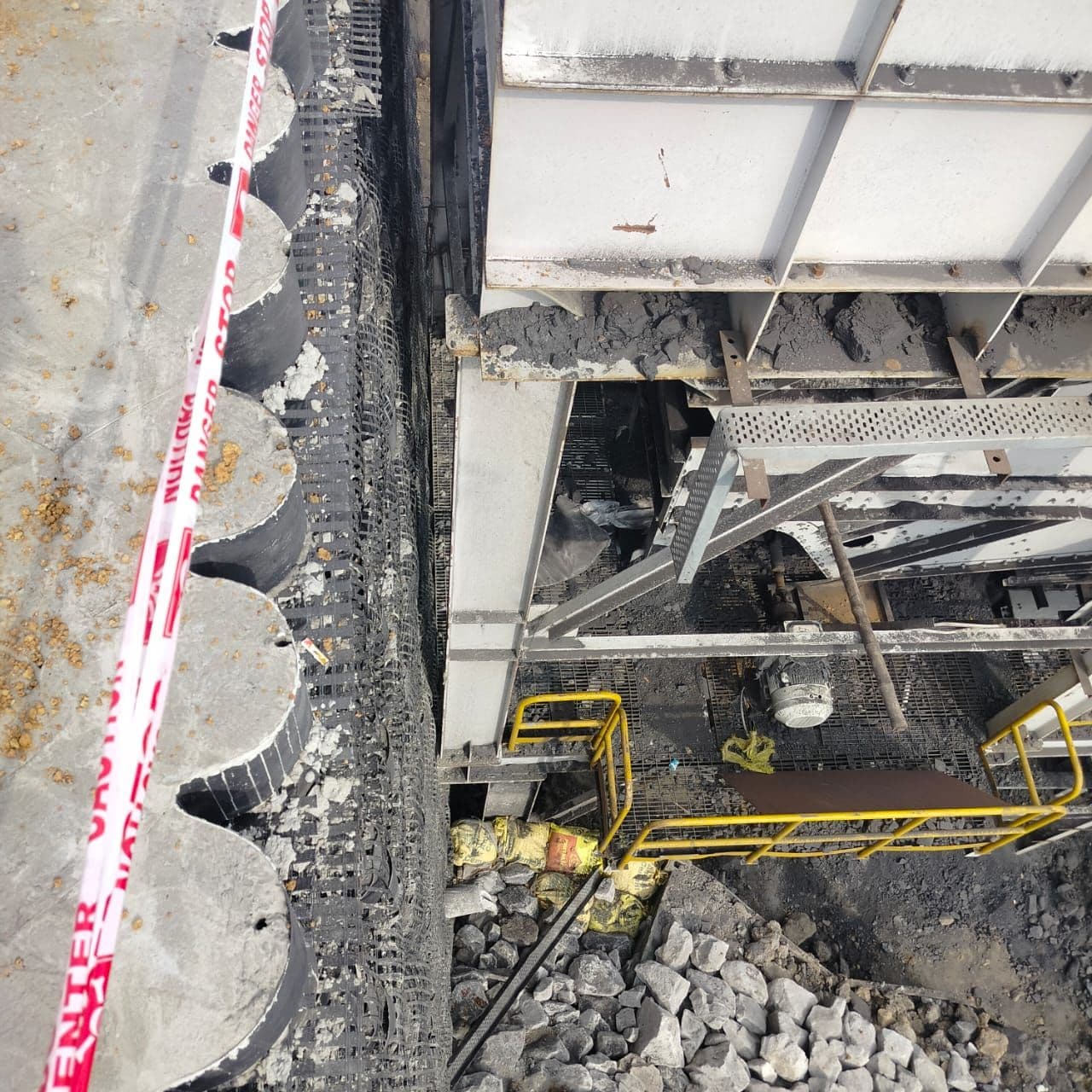
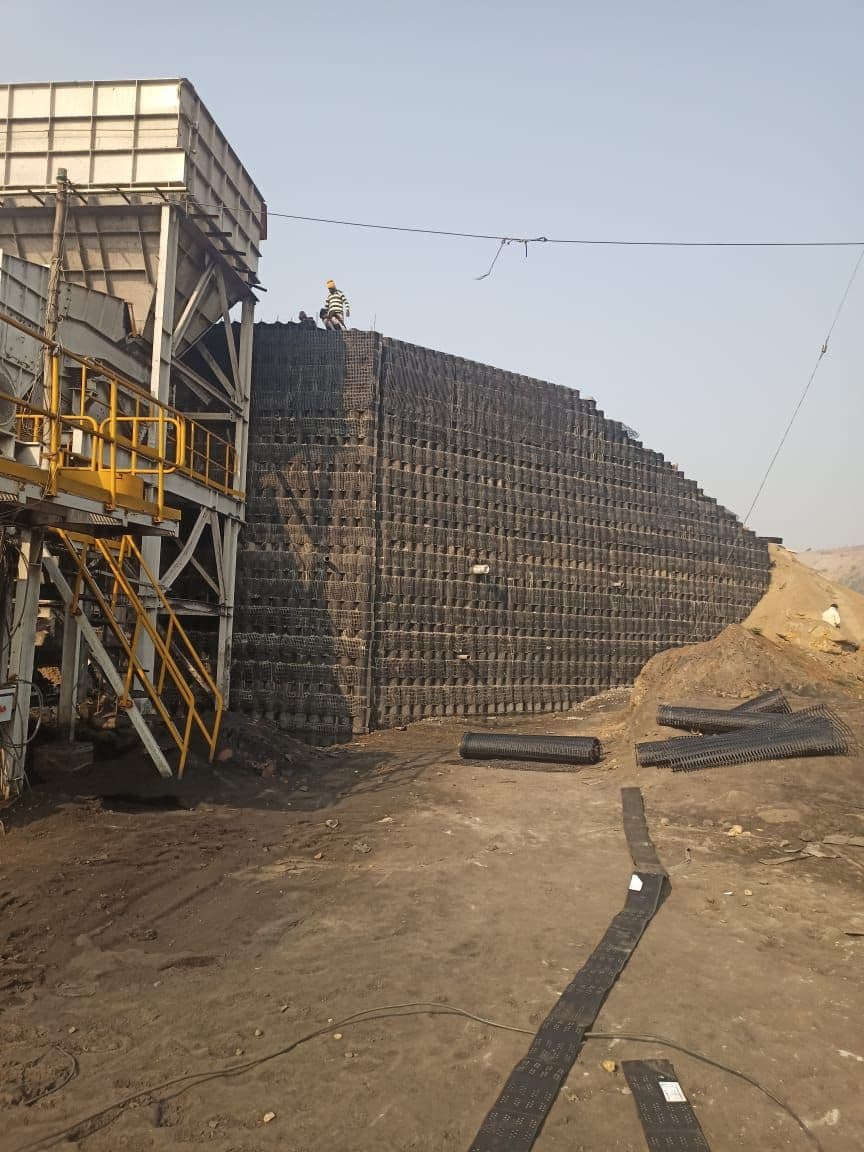
Gallery of drainage Management Projects
More success stories
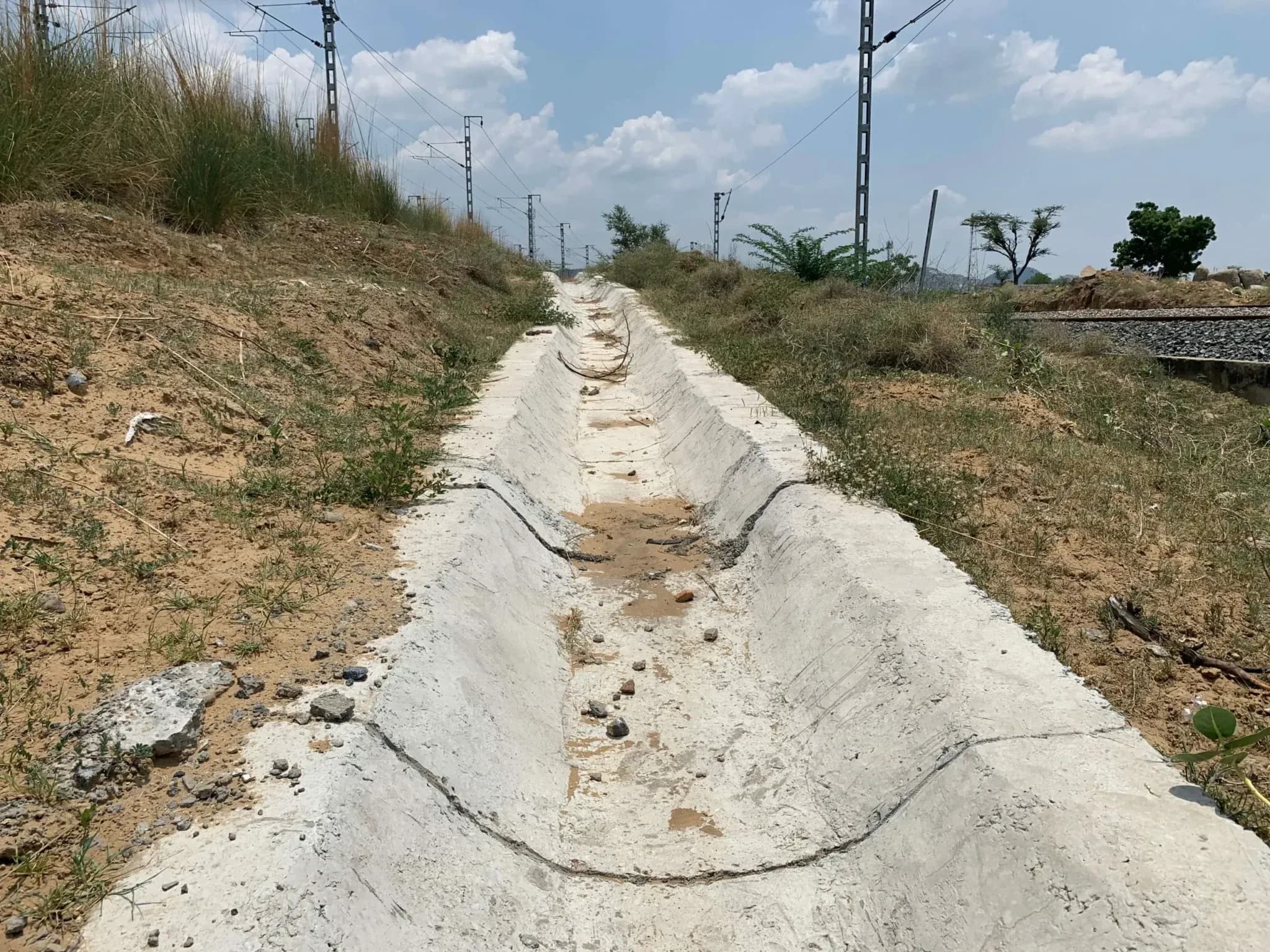
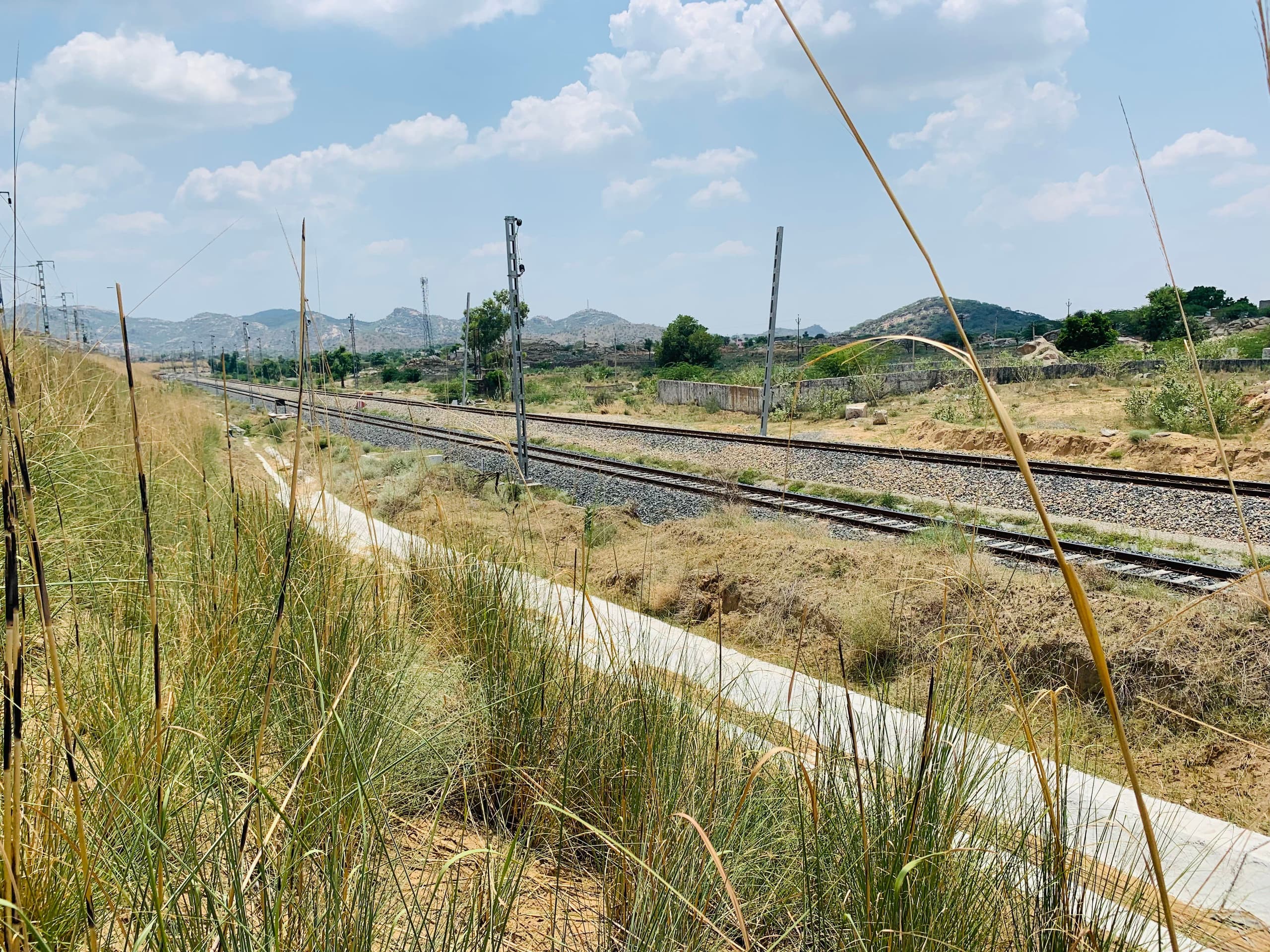
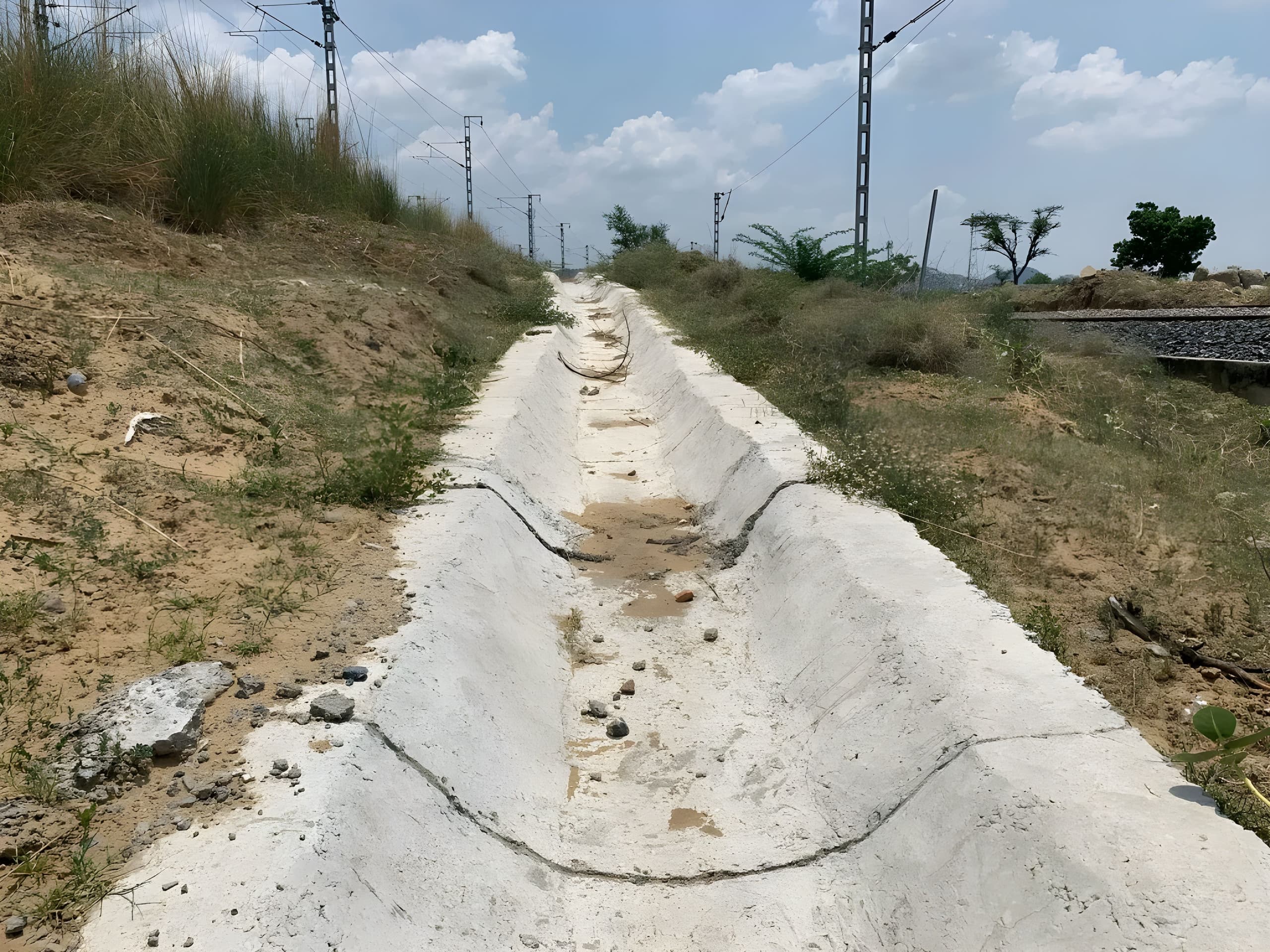
Drain lining for Railways using StrataWeb® Geocells in Rajasthan
Western dedicated freight corridor will connect Dadri to Navi Mumbai. This specific section of the project connects Rewari to Ajmer-Marwar-Iqbalgarh and lies in the states of Haryana and Rajasthan.
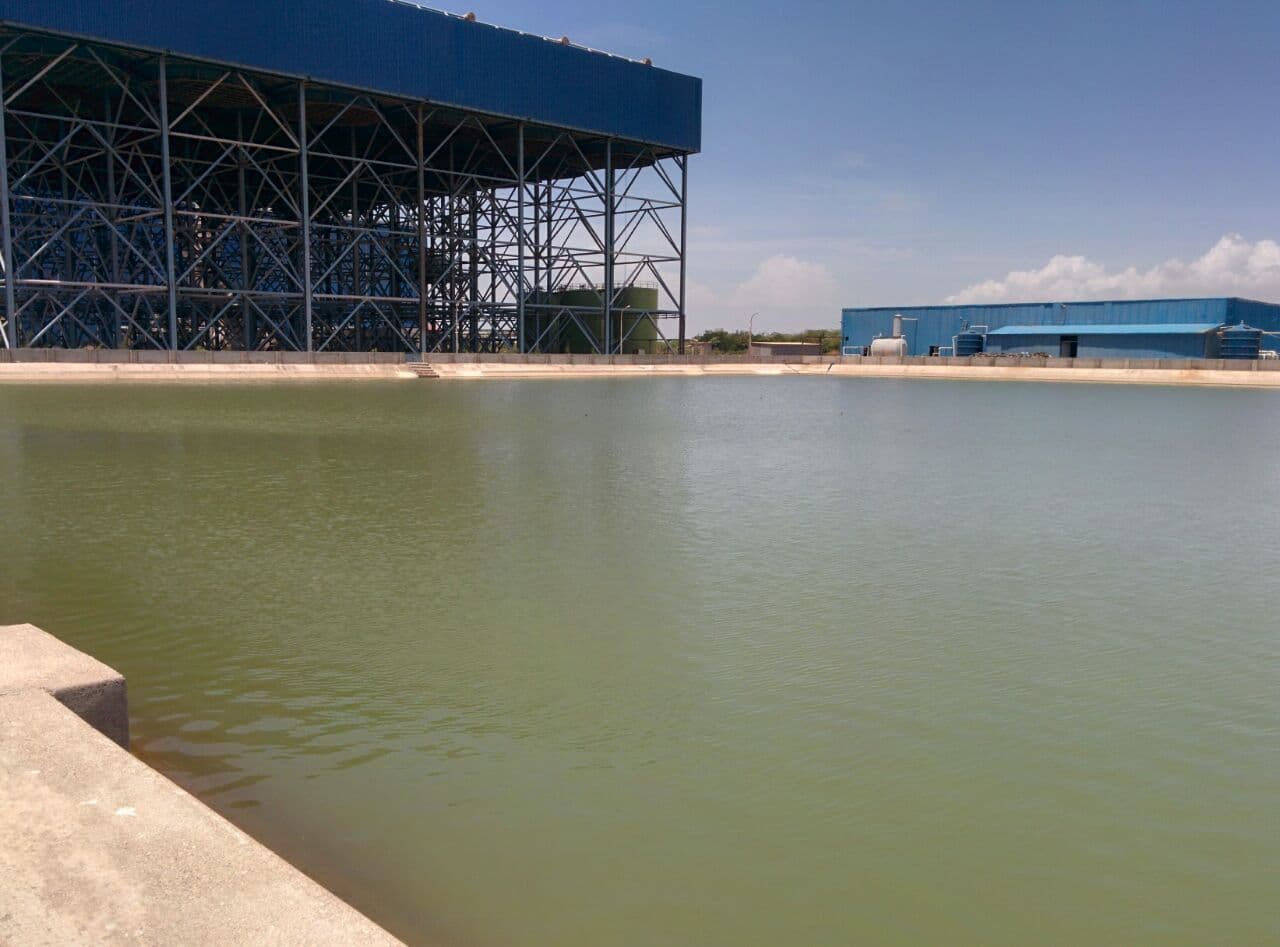
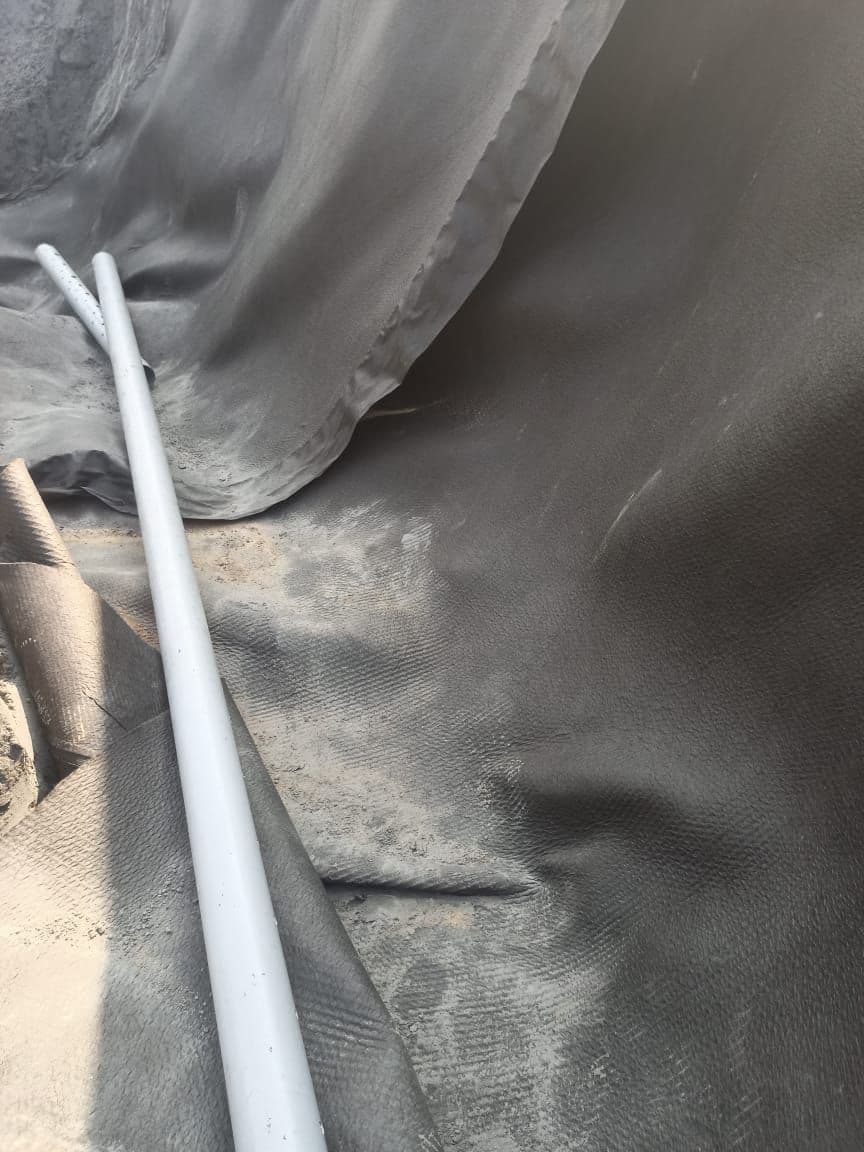
StrataWeb® Geocells Protect Raw Water Reservoir Lining
Strata used StrataWeb® geocells with lean concrete infill to protect the geomembrane lining of a raw water reservoir, enabling fast installation and cost savings.
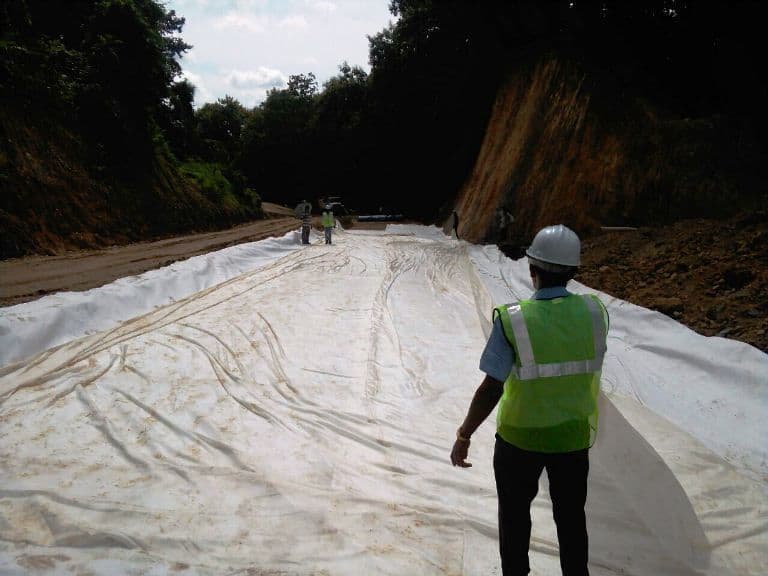
Unblocking chaos: Re-connecting Tripura to the rest of India
The project focused on rehabilitating a damaged section of National Highway NH-44 near the Assam-Tripura border, a critical land link for Tripura with highly plastic, weak clayey soil subgrade affected by heavy rain in March 2016. The National Highway NH-44 is a major road artery for the North East, and the stretch leading to the border of Assam and Tripura is the only land link between Tripura and the rest of the country. NH-44 is the state’s lifeline for supplies, victuals, and all commercial activities.
Looking for a little more than light reading?
StrataWeb®-Web-Brochure.pdf
CONSULTATION
From know-how to manufacture, installation and support.
Strata not only provides geotechnical products, but our team of 200+ engineers can help you with your turnkey project by supplying you with technical knowhow and support as to how our products can help you finish your projects in time while keeping costs down.
Send us your queries and we will get back to you with our expertise.