
Overview
What is pavement reinforcement?
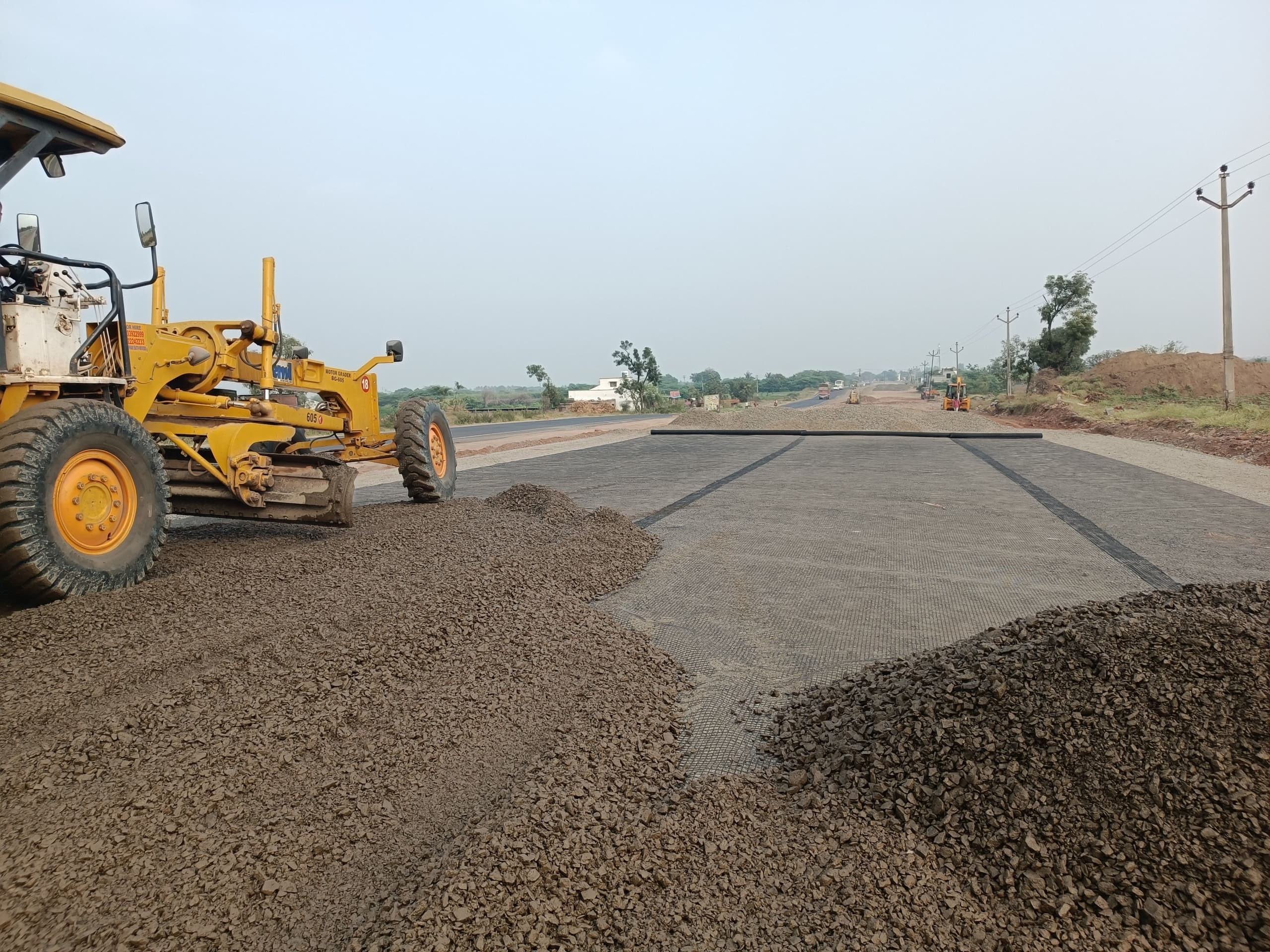
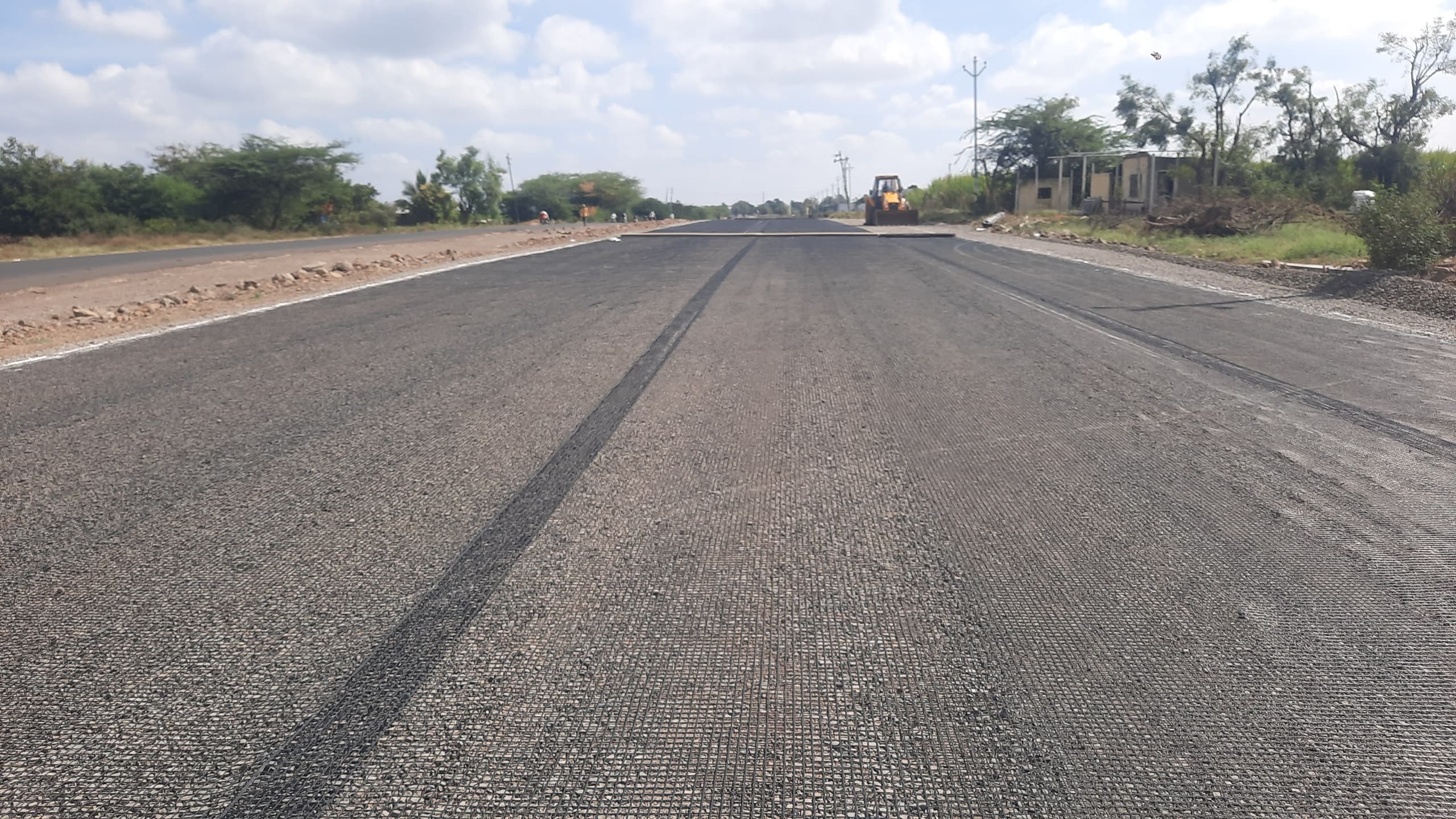
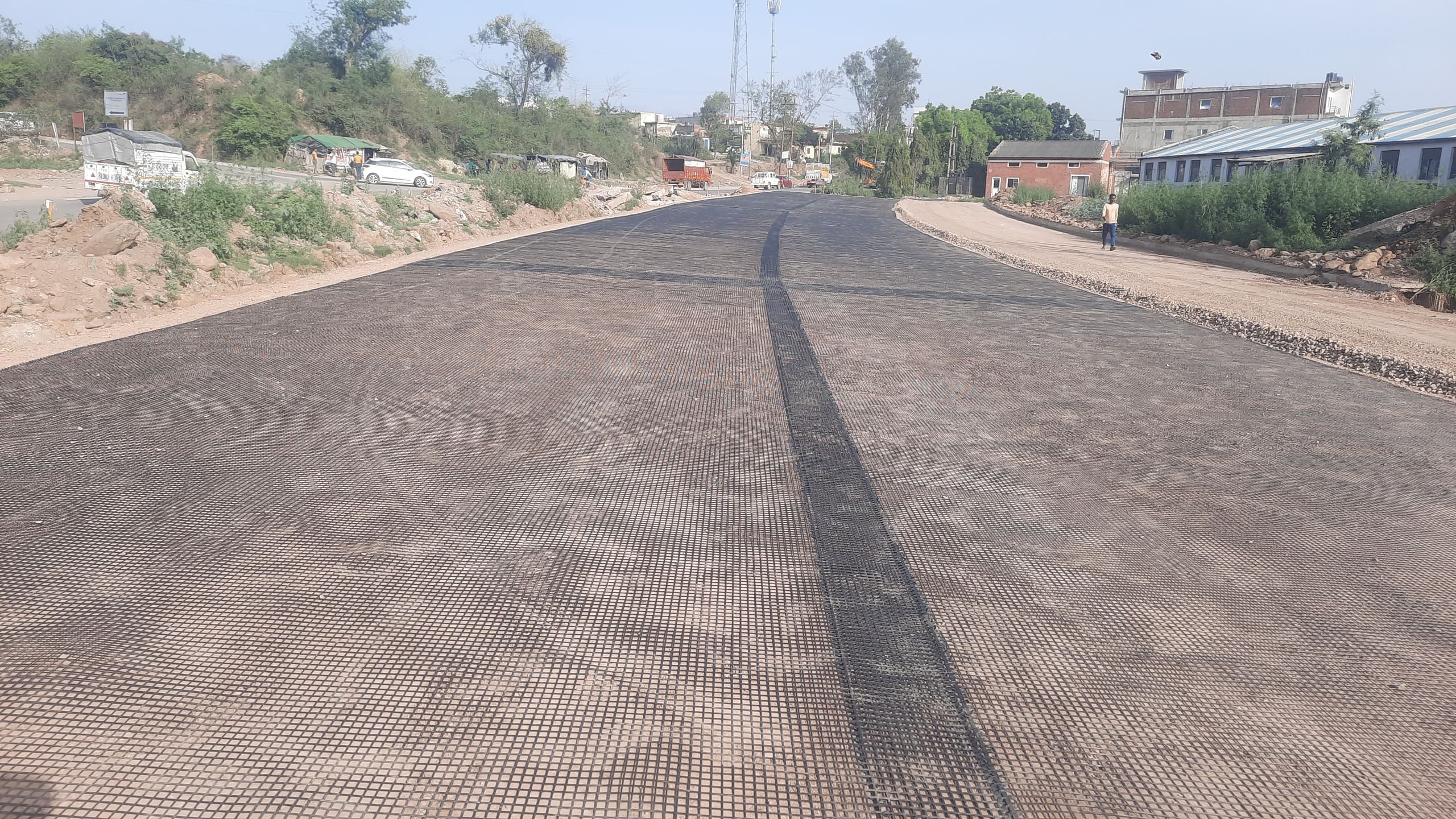
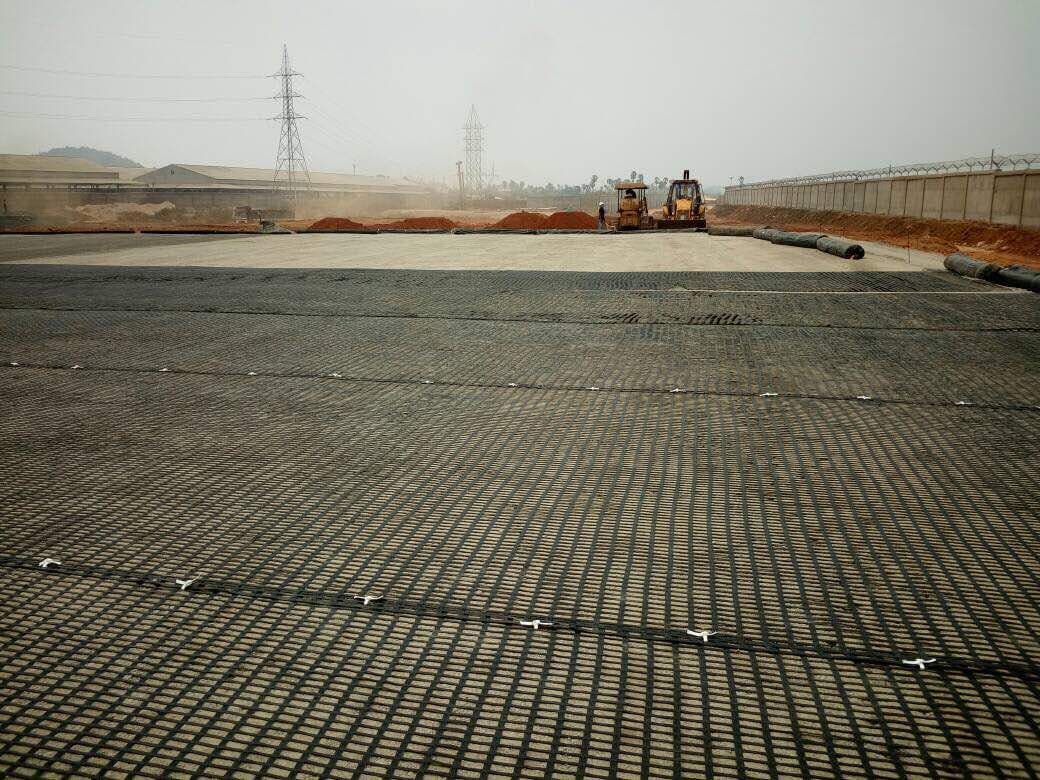
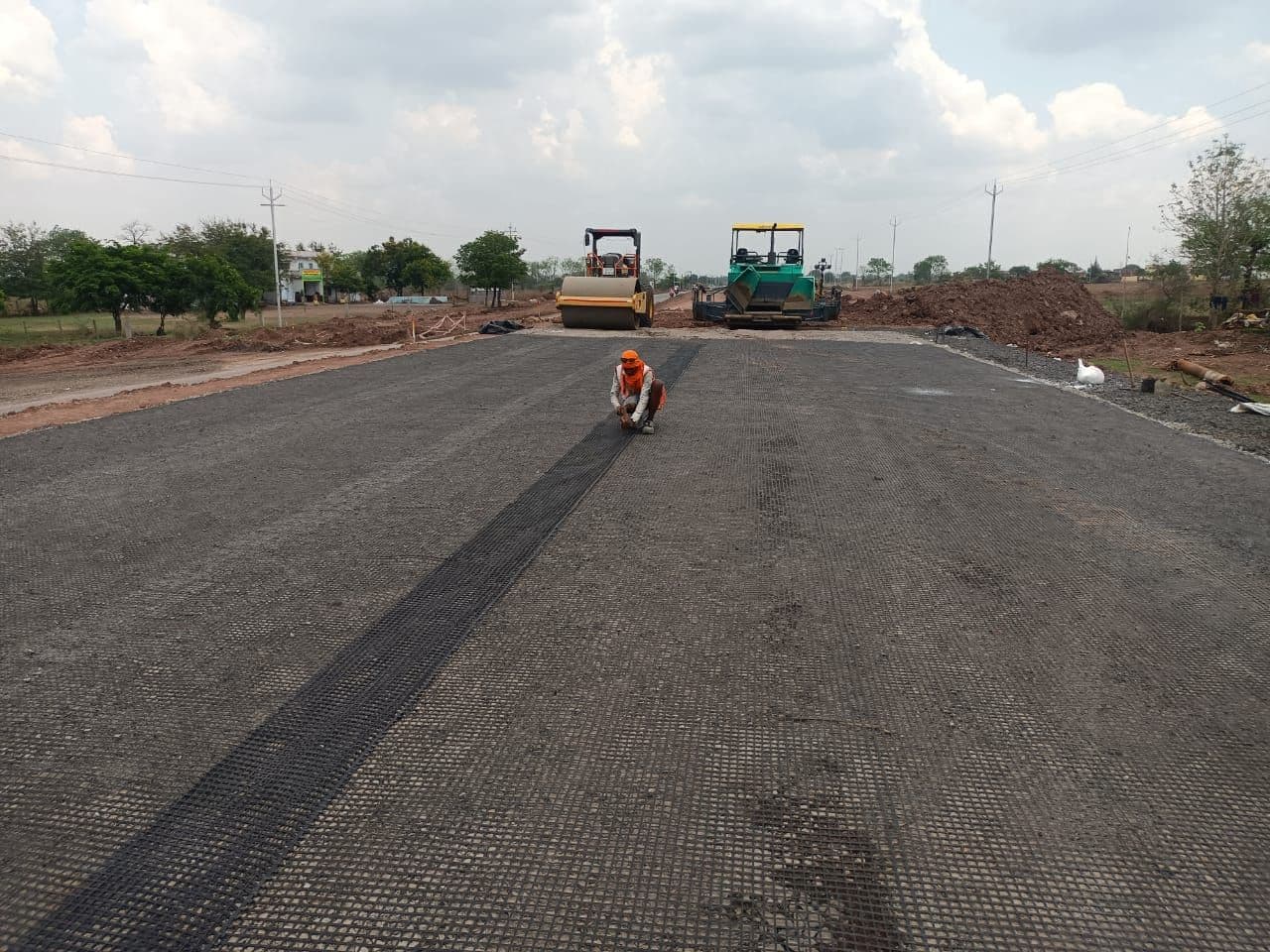
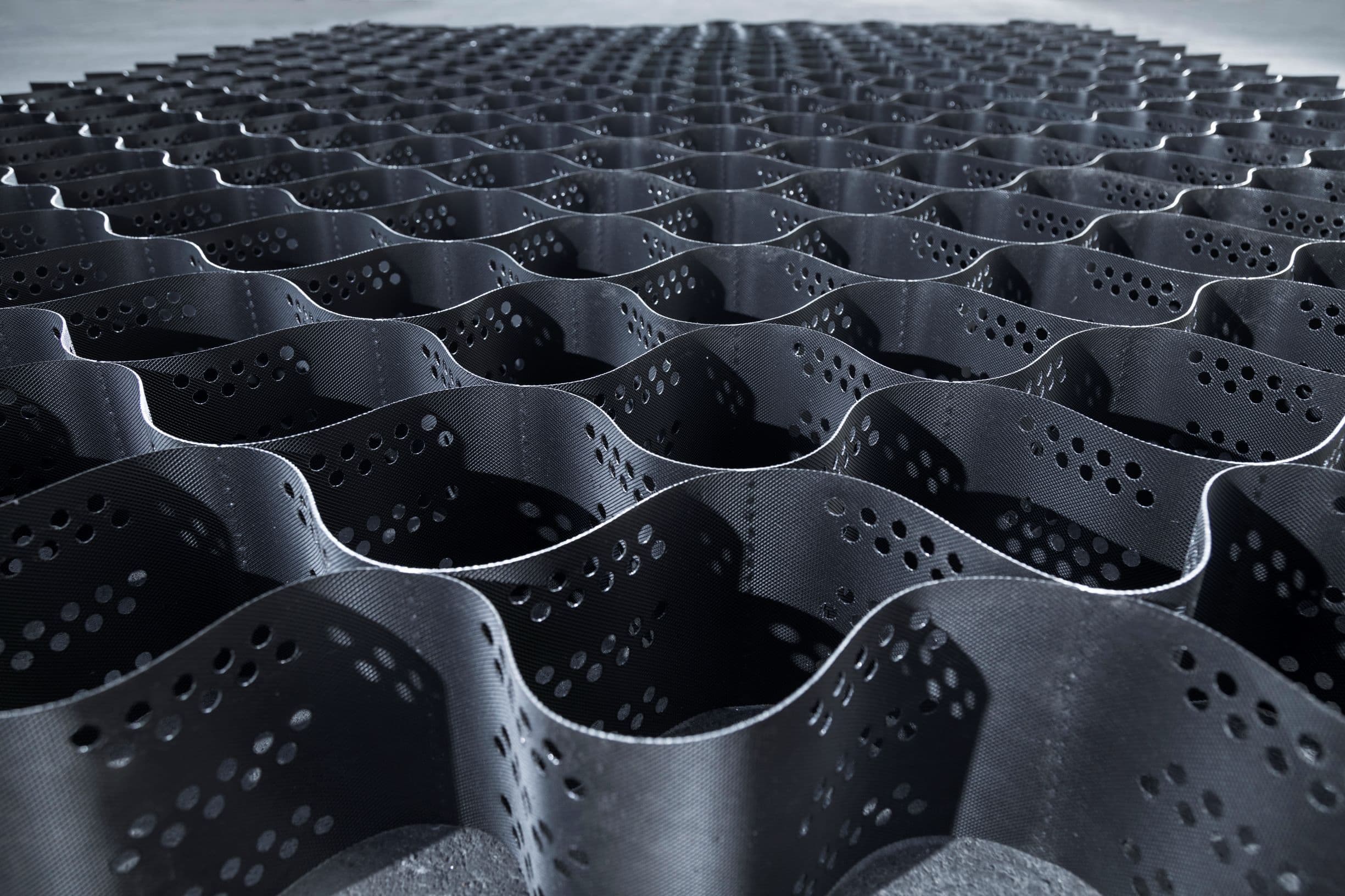
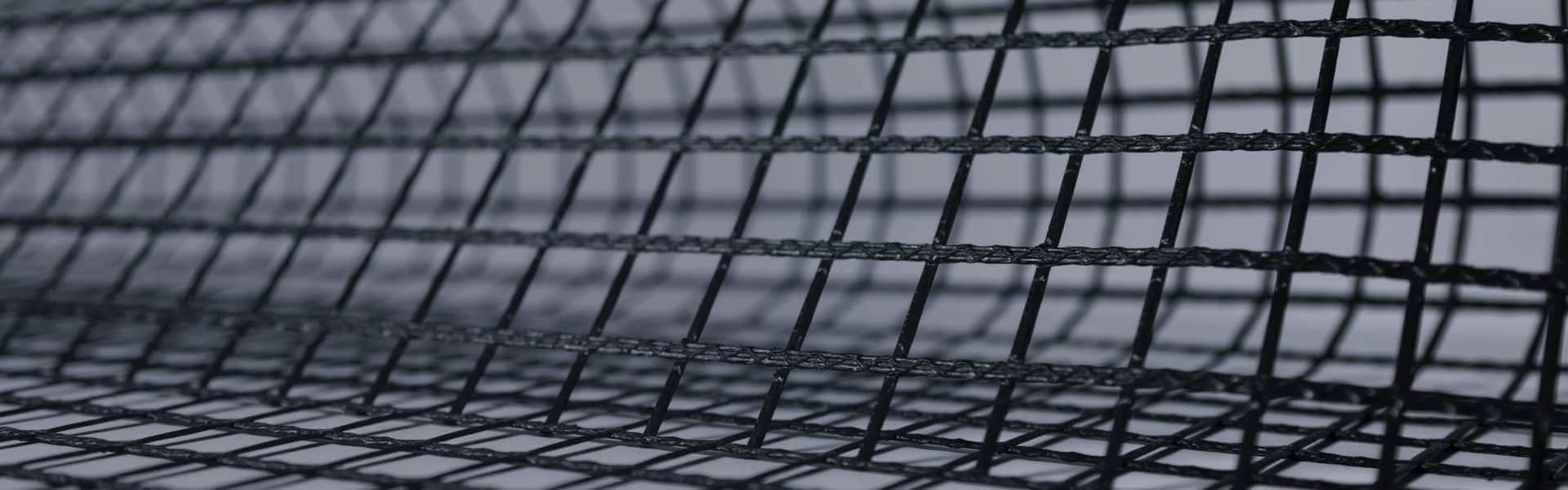
Pavement reinforcement improves structural performance by using geogrids or geocells within pavement layers or at the interface with the subgrade to support the pavement structure under load. To understand why reinforcement is used, it is important to consider how pavements behave over time.
Road pavements are exposed to repeated wheel loads, temperature variation, and moisture throughout their service life. These actions generate tensile and shear stresses within the asphalt, base, and subgrade layers. As traffic accumulates and environmental exposure continues, granular layers experience lateral spreading and loss of confinement lose confinement and subgrades soften, particularly when moisture is present.
When structural capacity reduces, specific forms of distress begin to develop. Cracking typically initiates due to repeated tensile strain at the bottom of the asphalt layer caused by traffic loading. Moisture does not initiate cracking on its own, but it reduces material stiffness and strength, contributing to continued deterioration once damage has begun. Over time, this leads to surface deformation and a noticeable decline in ride quality.
Advantages of pavement reinforcement
Improved structural load management
Pavement reinforcement changes how traffic loads are carried through the pavement structure. Instead of stresses concentrating at isolated points, movement within granular layers and at the subgrade interface is controlled.
Reduced permanent deformation and cracking
Rutting and cracking occur when pavement layers shift under traffic or when the subgrade weakens due to moisture. Reinforcement minimises this movement within the pavement structure and helps layers stay in place under load.
Optimized pavement layer thickness
Pavement reinforcement provides an alternative to traditional pavement design by improving the efficiency of load transfer and interaction between layers. Instead of relying on increased layer thickness, which also increases project costs, pavement sections meet performance requirements with reduced granular thicknesses, supporting more efficient use of materials and construction resources.
Extended pavement service life
By maintaining structural capacity and controlling deformation over time, reinforced pavements experience slower progression of distress compared to unreinforced sections. That means fewer maintenance calls, and longer service life over the lifecycle.
Typical scenarios of pavement reinforcement
Pavement reinforcement ideally needs to be considered at the design stage itself, based on site-specific conditions, traffic loading, and detailed subgrade investigations. Modern pavements are increasingly challenged by heavier traffic, variable environmental conditions, and marginal foundation soils, leading to distresses such as rutting, cracking, and differential deformation.
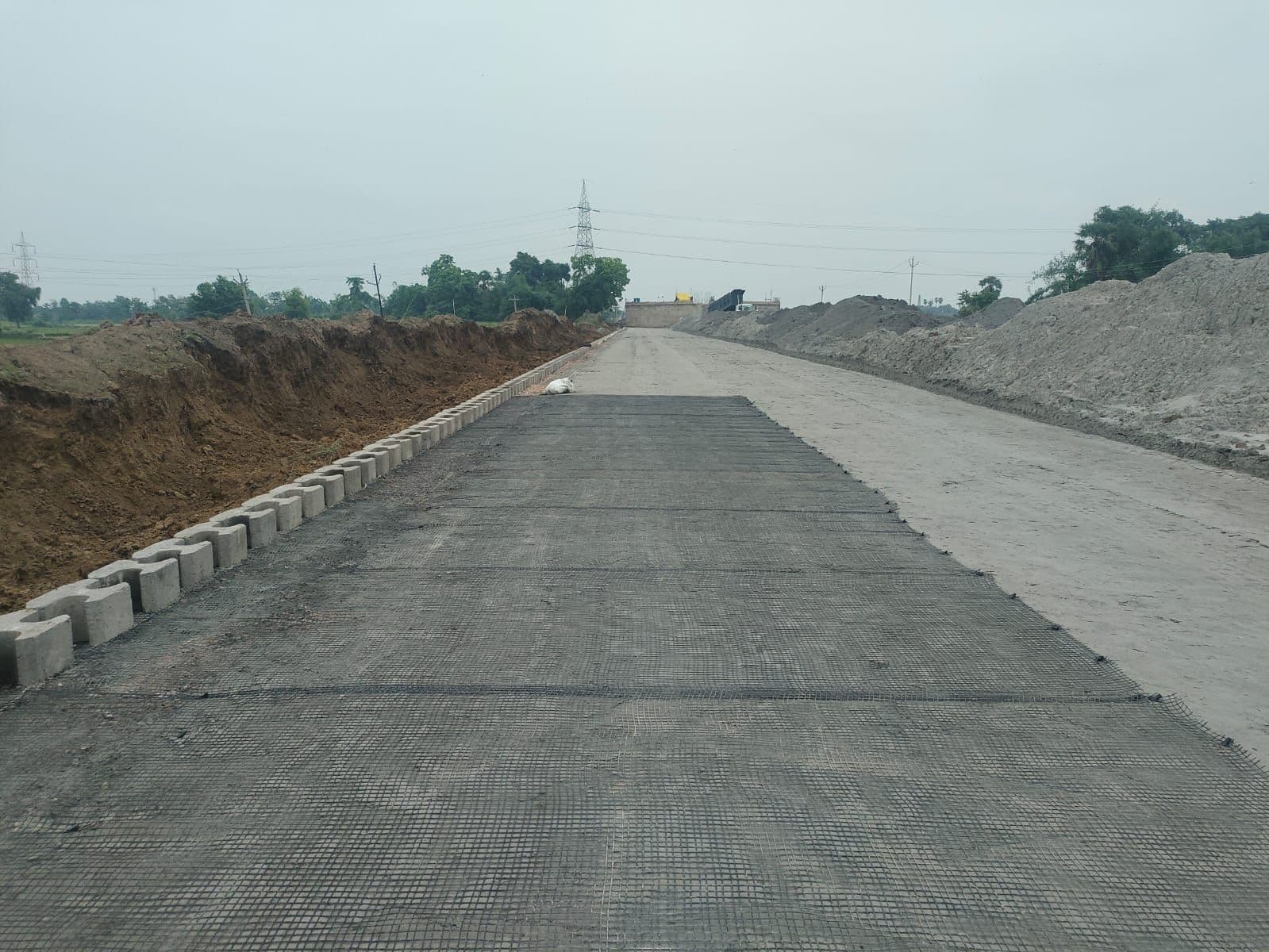
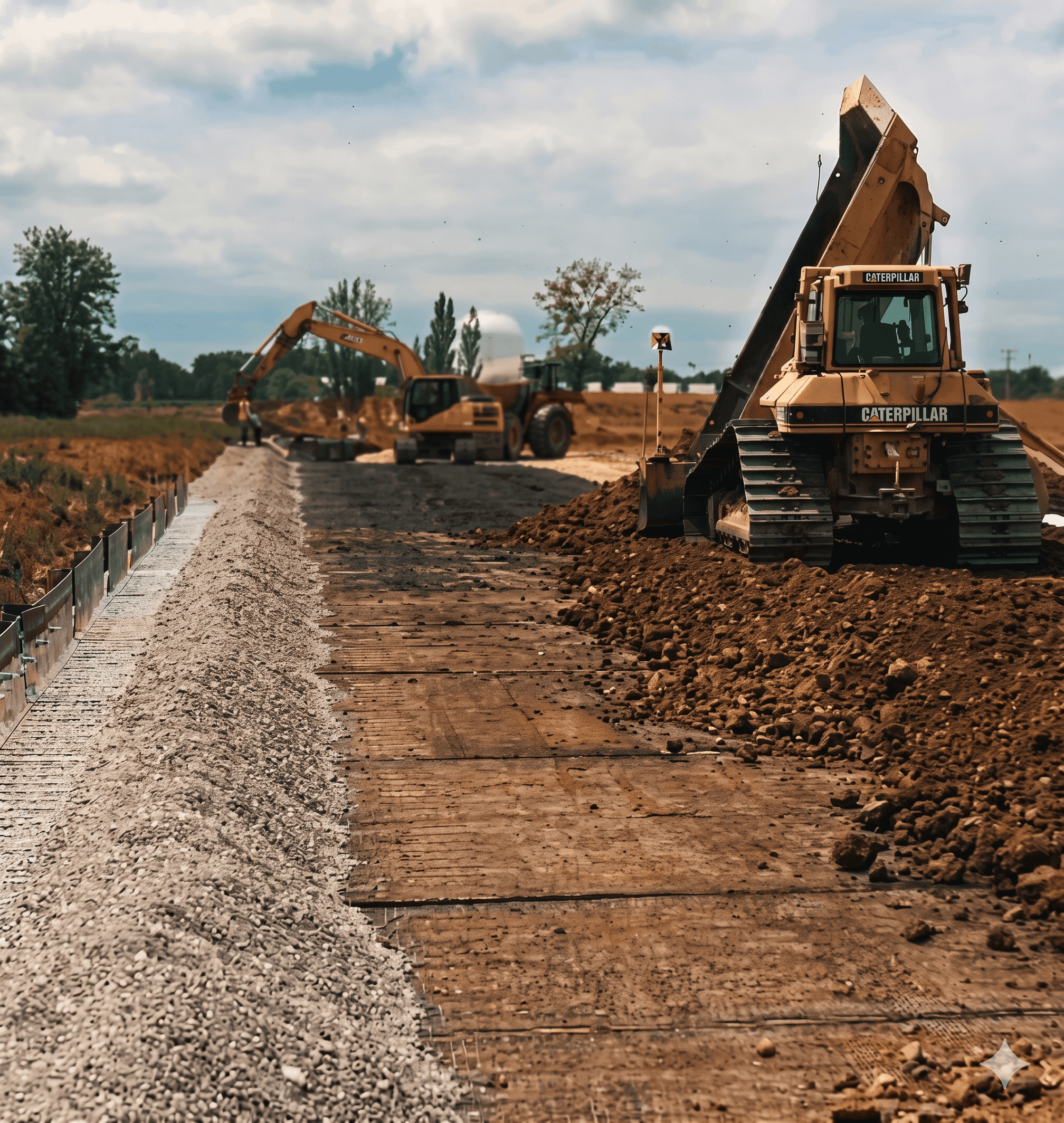
Highways and expressways
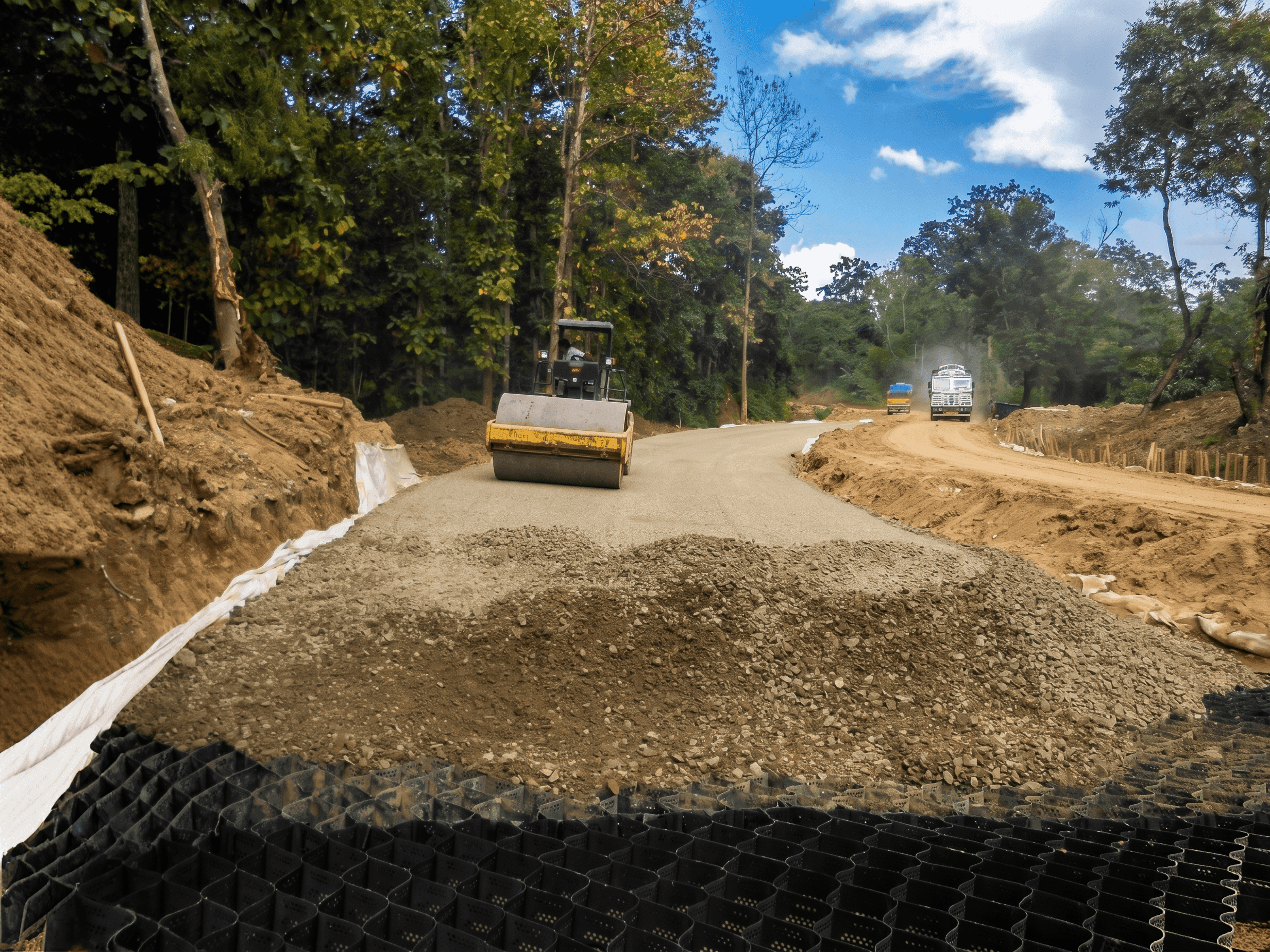
Access and service roads
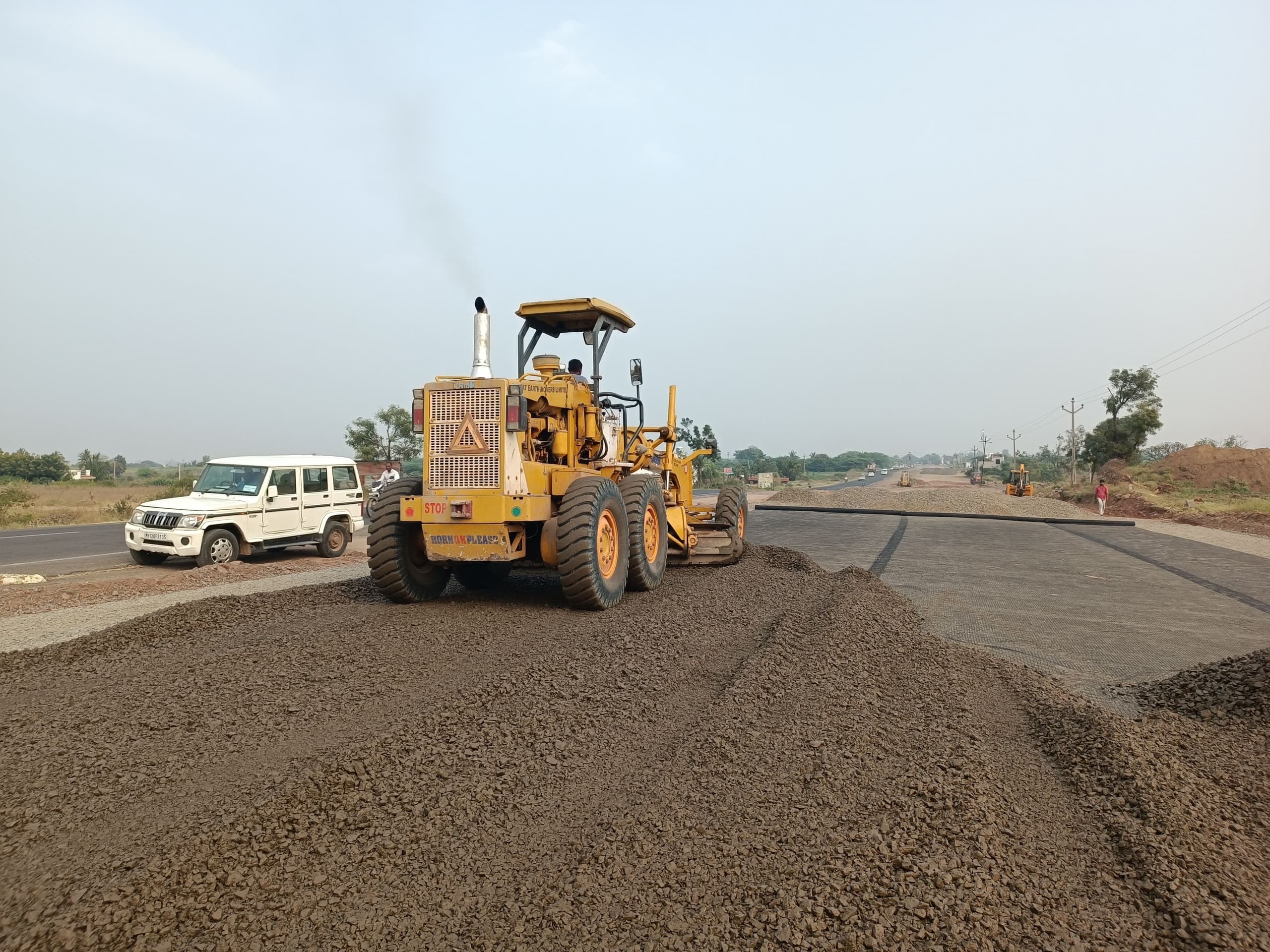
Heavy load pavement sections
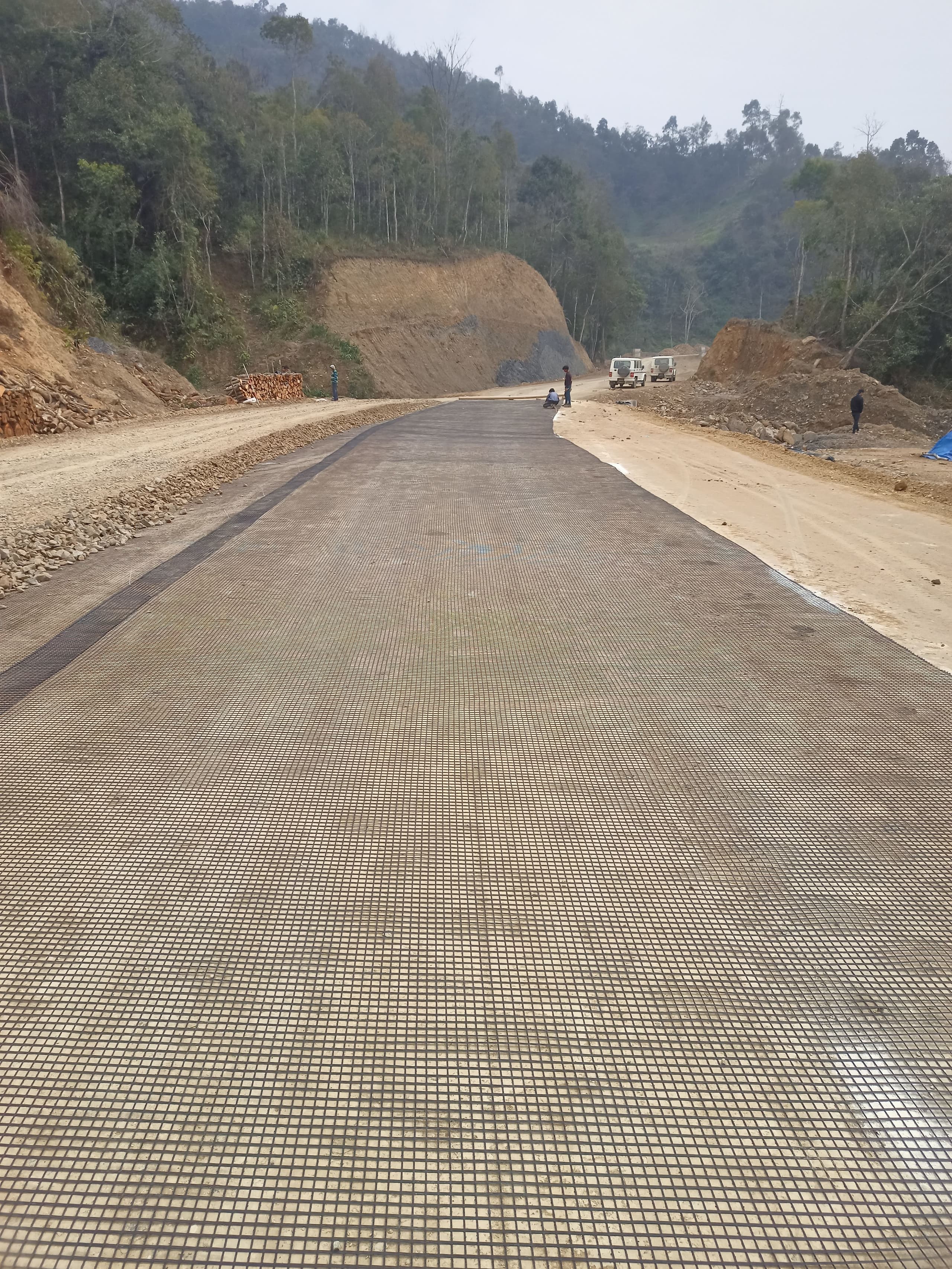
Gallery of haul roads Projects Pavement reinforcement
Products used in Pavement reinforcement
StrataWeb® (Product)
StrataGrid™ Biaxial Geogrid (SGB) (Product)
More success stories
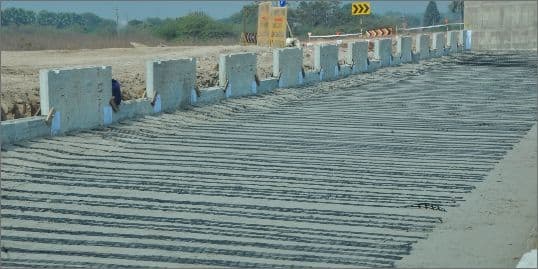
Building of RS Wall along 42 km highway
Strata undertook a significant project involving the design and construction of Reinforced Soil (RS) wall approaches along the NH-363 highway, spanning a 42-kilometer stretch from Mancherial to Repallewada in Telangana
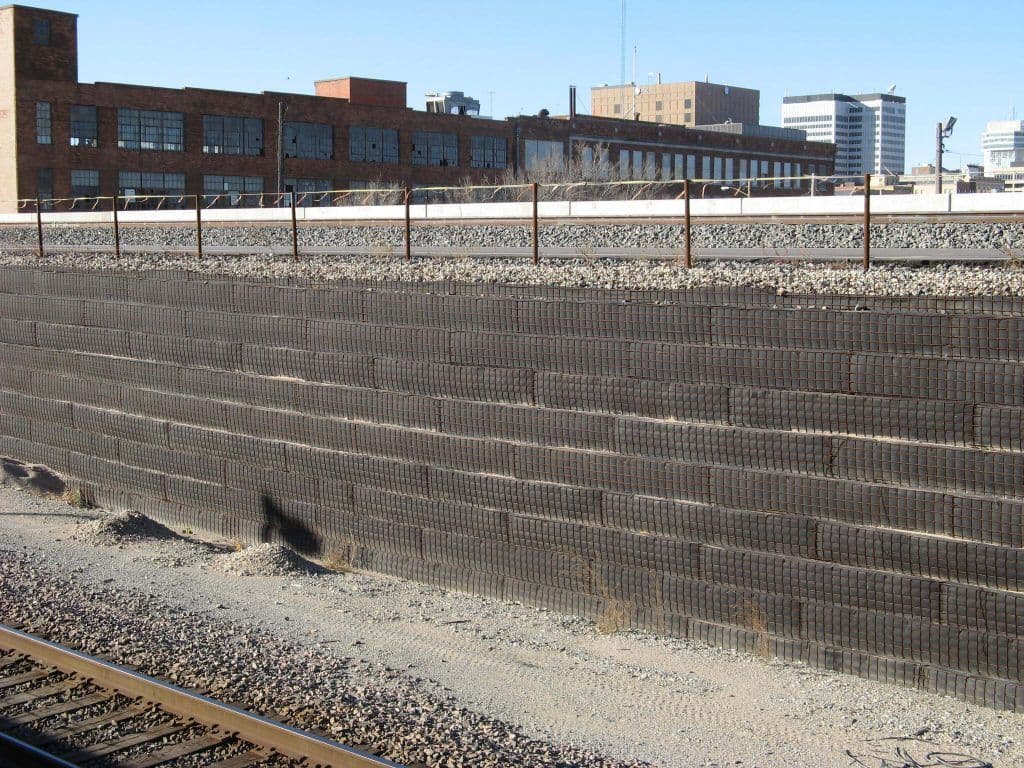
Construction of a reinforced soil wall near the railroad
The objective was to elevate a pair of side-by-side railroad tracks along the Burlington Northern Santa Fe right-of-way through the downtown traffic corridor. After completion, the project would provide new grade separations, connecting five new bridges and one rehabbed bridge along a 1.8-mile strip, allowing both trains and vehicles to flow unimpeded through eight major thoroughfares.
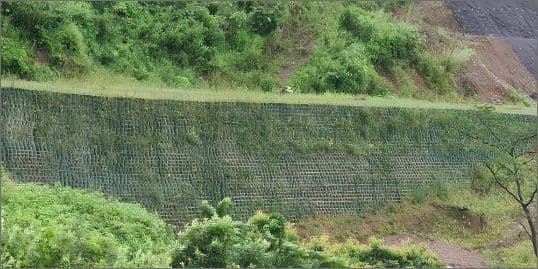
Construction of StrataWeb® Geocell Wall 32m high RS wall in the state of Manipur
This project encompasses a total length of 111 kilometers, posing the challenge of limited Right of Way (ROW) availability on either side of the proposed road’s centerline. To address this constraint, there was a need to stabilise steep slopes, manage deep cuttings, or contain filled soil within the ROW.
Looking for a little more than light reading?
StrataGrid™ Brochure
StrataWeb® Brochure
CONSULTATION
From know-how to manufacture, installation and support.
Strata not only provides geotechnical products, but our team of 200+ engineers can help you with your turnkey project by supplying you with technical knowhow and support as to how our products can help you finish your projects in time while keeping costs down.
Send us your queries and we will get back to you with our expertise.