
What is soil separation?
The soil separation removes the contaminated concentrates from soils, leaving behind soil that is much cleaner and considered safe. Soil separation is also known as soil fractionation. This process is essential in understanding the physical, chemical, and biological properties of soil.
Types of soil separation methods
Soil pollution poses many environmental and health risks, necessitating proper remediation strategies. Soil separation methods restore soil quality, thereby a sustainable environment.
Mechanical separation
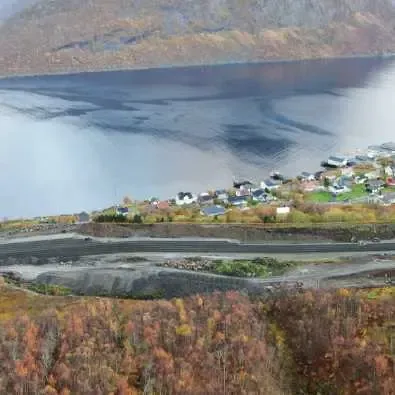
Mechanical soil separation is widely used in ex situ remediation like brownfield redevelopment and waste management due to high efficiency and low operating costs.
- Geosynthetics: Geosynthetic products separate soil layers with different properties. Geotextiles, geomembranes, geocomposites, and geogrids separate contaminants, filter fine particles, reinforce soil, and facilitate drainage. Furthermore, it prevents soil erosion and settlement.
- Retaining walls: Retaining walls divide two soil layers based on properties, such as texture, density, or contamination levels and prevent erosion. These structures resist soil pressure and lateral forces.
- Screens or sieves: Screens have a mesh or perforated surface allowing smaller particles to pass through while retaining larger particles. Screens improve soil gradation and density and there are three types of screens- Vibrating Screens, Rotary Screens and Static screens.
Chemical separation
Chemical seperation techniques include flotation, which uses air bubbles to remove contaminants; leaching, which dissolves and removes debris using a solvent; and magnetic separation, which extracts faintly magnetic radioactive particles using a magnetized volume with a magnetic matrix.
Biological separation
Biological separation, also known as bioremediation, uses living organisms, such as microorganisms, plants, and enzymes, to separate and break down soil. The methods like Phytoremediation uses plants to stabilize/degrade pollutants. These methods treat soil by removing pollutants and restoring its health.
Hydraulic separation
Hydraulic separation, also known as hydraulic classification, uses water or another fluid to separate particles of different sizes and densities. This technique is commonly used in mining and mineral processing, and waste management applications. Water flushing uses high-velocity water to mobilize and remove fine particles and contaminants, enhancing soil drainage. Sedimentation tanks separate solids from liquids, allowing heavier particles like silt and clay to settle while cleaner water rises to the surface
Application of soil separation
- Waste water treatment: Systems such as sedimentation tanks allow suspended solids to settle out of wastewater before it is treated further. This process reduces the load on subsequent treatment stages and improves overall efficiency. Geotextiles may also be used in filtration systems to prevent the intermixing of treated effluent with untreated materials.
- Soil texture analysis: Engineers utilize methods like sedimentation or hydrometer tests to separate soil particles based on size. This analysis assesses drainage capabilities, nutrient retention, and overall soil health, guiding decisions in agricultural practices and construction projects.
Geotechnical applications:
- Foundation design: Engineers use separation techniques to prevent weaker subgrade soils from mixing with stronger base materials. Using geosynthetics like geotextiles or geogrids as separators, maintain the integrity of foundation layers and enhance load-bearing capacity.
- Road construction: Separation prevents fine subgrade soils from migrating into aggregate layers. This ensures that the paved road structure remains stable under dynamic loads. Premature failure is also prevented due to pumping effects caused by traffic.
- Landfill management: In landfills, separation techniques manage leachate by preventing the intermixing of waste materials with underlying soils. Geosynthetics provide barriers that protect groundwater from contamination while allowing for effective drainage.
- Drainage systems: In drainage applications, soil separation prevents clogging of drainage layers by larger particles while allowing water to flow freely through finer materials.
Factors affecting soil separation
- Soil composition and properties: Cohesive soils, such as clay, have high moisture retention, which can lead to significant volume changes and potential separation when wet. In contrast, granular soils like sand are less cohesive and may experience bulking when saturated, affecting their density and stability.
- Environmental conditions: Hot weather dries out soils quickly, leading to shrinkage and increased voids. Cold weather may freeze moisture within the soil matrix. Drought conditions lead to cracking and increased separation due to shrinkage in expansive clays.
- Site-specific challenges: Sites may contain hazardous materials that alter the physical and chemical properties of the soil. The natural landscape can present challenges such as steep slopes or uneven surfaces that complicate construction activities. These variations lead to differential settlement and increased separation risks.
- Moisture content: At low moisture levels, attractive forces dominate, leading to flocculation (clumping), while high moisture levels create repulsive forces that lead to dispersion. Too little moisture leads to increased voids and reduced density, while excessive moisture causes the soil to lose strength and become unstable.
Importance of geotextiles in soil separation
When used as soil separators, geotextiles prevent the intermixing of different soil layers, which is essential in maintaining the integrity of the construction site. This separation ensures that the load-bearing capacity of the foundation remains unaffected by the mixing of underlying soil layers with different properties.
In road construction, geotextiles act as a barrier to keep base materials uncontaminated by finer subgrade particles. This is particularly important in areas with high moisture levels, where soil stability can be compromised, leading to structural breakdown and unsafe driving conditions. Due to the high tensile strength of the geotextile, alongside puncture resistance, geotextiles maintain the integrity of the soil particles.