
Introduction
In civil engineering, infill material plays a very crucial role. The fact that infill materials can be made from a wide variety of items, affects the overall structure of the buildings. With technological advancement, civil engineers can select the infill material according to their project needs and requirements.
What do you mean by the term infill material?
Infilling is the process of repairing structures and making them proper again if they have received some sort of damage. Infill materials are substances that are used to cover voids, cracks, or defects in a structure. They are usually made up of stones, sand, and recycled items. The kind of infill material used mostly depends on the structural need. Infill materials don’t get bonded with the original structure, and can always be removed in the future if the need arises makes it super useful.
What are the different types of infill materials for construction?
Depending upon the usage and repair the selection of infill materials takes place. Following are the most common infill materials for construction such as:
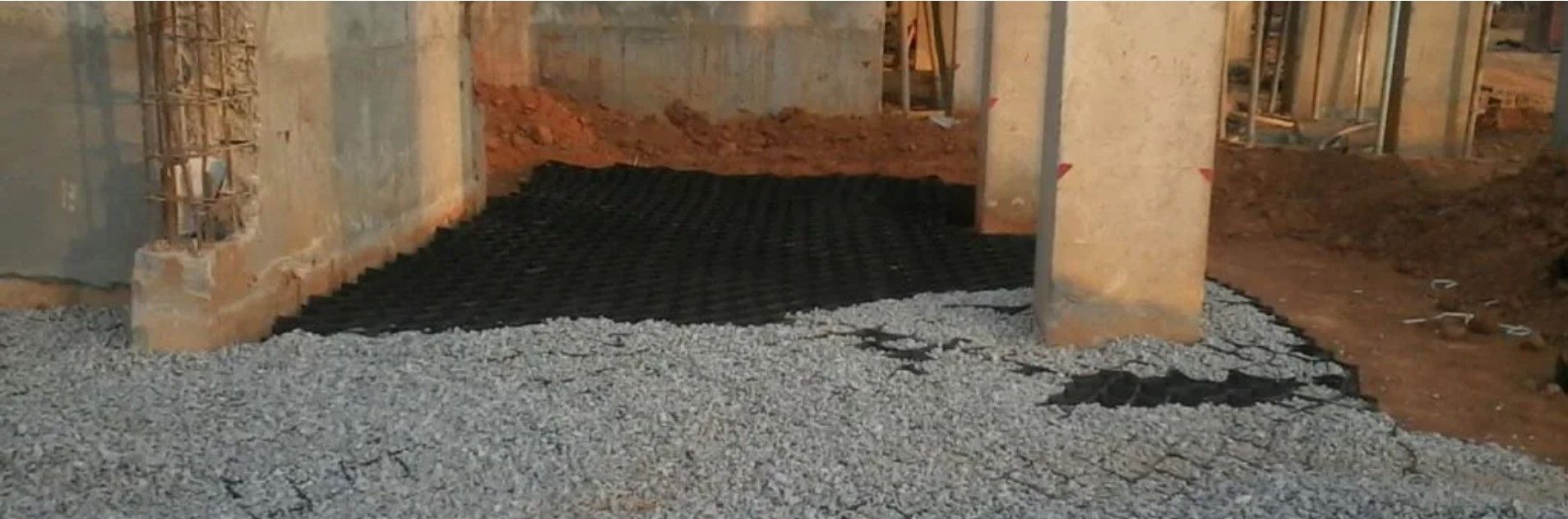
- Granular fill material: It offers sturdy support and ensures proper water drainage as it usually comprises crushed stones and gravel. It stops the water buildup that can erode the building and is the best infill material for drainage. It is used in road construction, railway lines, and drainage systems.
- Soil: Soil acts as a backfill material for earthworks as it aids in surface levelling. If the soil is properly compacted, it prevents settling and provides long-term stability and wall support.
- Sand: Sand is one of the most used infill materials due to its versatility and compaction. It offers stability to adjacent structures and great drainage qualities. Sand infill for artificial grass is used widely to make artificial turfs and the cost of sand infill usually ranges between Rs 4000/ feet to 4500/ feet.
- Concrete: In metropolitan areas, concrete infill methods are used to bridge the gaps between foundations or walls. The combination of steel and concrete increases the load-bearing capacity and rigidity of structures.
- Geosynthetics: Geotextiles and geogrids are examples of geosynthetic materials that are used to fortify soil and other filler materials. They stop soil erosion and stabilise embankments.
- Polymeric infill: These are the infills that are made from polymers and are used in place of traditional sand, gravel, and soil infill. They offer more resistance to damage and enhance the performance of structures.
Why application of infill become important in civil engineering?
- Road construction: Infill materials like gravel and polymeric infills improve load distribution and water drainage. These are crucial for the longevity of roads as these infills avoid cracks, rutting, and surface settlement in road construction.
- Foundations: Infill materials such as sand, cement for concrete structures, and soil help in laying down a strong foundation for structures. It provides stability and mitigates the seismic impact which prevents the risk of collapse of buildings.
- Retaining walls: With time walls can deform and shift from their position due to the movement of soil. Infill material ensures that soil is stable and the shape and structure of the wall are maintained by increasing stability.
What are the key considerations when choosing infill material?
- Project requirements: Since infill materials differ in their properties, depending on the specific requirement of projects such as drainage, load-bearing capacity, and compaction ability, the best-suited material should be chosen.
- Material properties: The physical and chemical properties should be taken into consideration before selecting the infill materials. The focus should be on the qualities such as durability, density, and thermal and chemical resistance for better results.
- Cost: It is always advised to strike a balance between cost-effectiveness and performance of infill materials. Infill material density comparisons should be considered before going for a particular kind of infill as the cost of materials can significantly affect any project.
- Environmental impact: Sustainable and environment-friendly practices should be considered in all civil engineering projects for a greener future. So materials that are recyclable and reduce carbon footprint should be a top priority for engineers.