
The biggest challenge civil engineers face in construction projects is efficient water flow management. It is crucial for structural integrity and to ensure the long-term performance of projects. So, the most effective civil engineering drainage solution is the usage of drainage composites.
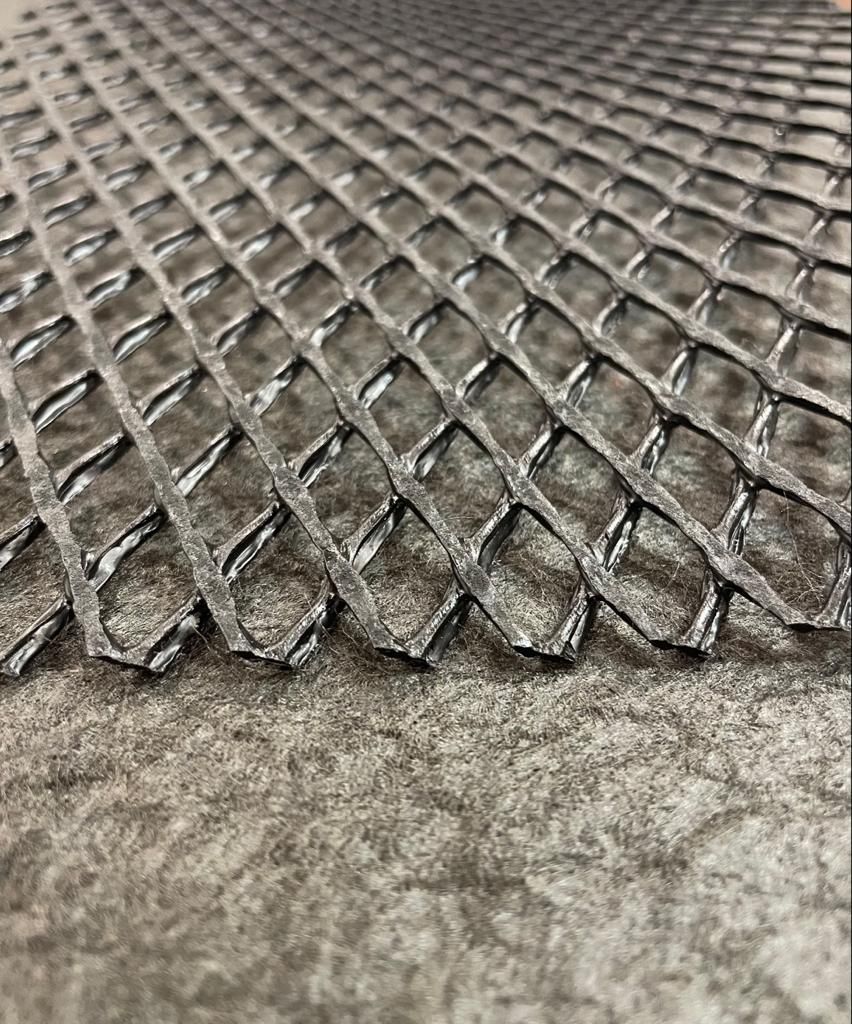
Drainage composites are multi-layered materials comprising geotextile fabric and a core, made up of plastic. Geocomposite drains, prefabricated strip drains, and sheet drainage composites are the main types of drainage and are used in the construction of landfills, highways, and other building foundations by civil engineers.
How are the drainage composites made?
Geotextiles and geonets are the two core components used to build the drainage composites. These components are necessary to get efficient water flow management.
- Geotextile: Geotextiles particularly separate layers of soil and gravel to prevent mixing, which keeps everything stable. Geotextile is usually made up of fibres of polypropylene, polyethylene or polyester. It filters the water from debris, soil, and other fine particles to maintain the free flow of water.
- Geonet: Geonet is the drainage cell core comprising high-density polyethylene (HDPE). It reduces pressure on the main structure and provides a path for water to flow even during heavy loads.
Geotextile by preventing clogging and geonet by ensuring a smooth flow together creates the most reliable geocomposite drainage systems for a long-lasting water management solution for construction projects.
How do drainage composites work in water drains?
With multi-layer materials, the working mechanism of drainage composite is divided into three parts: collection, transportation, and filtration of water.
- Collection: When groundwater enters the drain pipe, the permeable top layer allows the collection of excess water from the surface.
- Transportation: Once the water is collected it flows through composite layers of nonwoven geotextile or other types of geotextile. These porous materials maintain the flow capacity of the system drain by creating pathways for efficient water movement.
- Filtration: The composite layer traps sediments, or debris while allowing the water to pass through the filtration layer. It ensures the permeability of the drainage system and reduces the risk of water clogging.
With this working mechanism, drainage composite helps to prevent soil erosion while maintaining the stability of the surrounding ground as well. Drainage composites keep soil particles, sediments, and debris out of the various types of drains to avoid water buildup. This dual function makes drainage composites vital for the construction of sustainable development projects.
What are the common applications of drainage composites in civil engineering?
To enhance the durability and stability of structures, drainage composites are very crucial. They are widely used in applications such as:
- Highways: Drainage composites prevent soil erosion and manage the surface and subsurface of water in highways. It reduces road damage by filtering the soil and channeling water away from the roadbed.
- Railways: Drainage composites are used to keep all the drainage system clear by preventing washouts and ensuring proper track alignment in railways. They help reduce the need for frequent maintenance.
- Retaining walls: They help in relieving the hydraulic conductivity pressure behind the walls by filtering the water which helps in the long-lasting stability of structures.
- Building foundations: Drainage composites prevent moisture, and water buildup in the building foundations. They help to manage the water flow movement efficiently around the foundations ensuring no damage at all.
What are the common challenges faced during installation and how to address them?
- Site preparation: If the site preparation is inadequate, it can lead to poor drainage performance. Thus before starting the construction, the site should be free from debris and properly graded. The soil should be compacted to create a stable base for installing drainage composite.
- Alignment & placement: Water flow can be easily hindered if the alignment of the drainage composite is not done properly. Engineers should take the measurements and angles with proper caution and keep on re-checking them before the final placement.
- Clogging of geotextiles: Geotextiles provide puncture resistance to drainage composites and if it gets clogged, the drainage system is of no use. So once the geotextiles are placed, they shouldn’t be disturbed to prevent soil contamination and drainage system failure.
In conclusion, drainage composites help to filter, transport, and manage water flow effectively in various civil engineering projects. With proper handling and installation, they can prove to be a game changer in sustainable construction by preventing water buildup, structural damage, and soil erosion.