
What is double layered asphalt concrete?
Double-layered asphalt concrete is an advanced road construction technique that significantly enhances the durability and performance of pavements. This method involves the application of two distinct layers of asphalt concrete, each designed to serve specific functions that optimize roadway functionality and longevity.
The double-layered approach is particularly beneficial in areas with high traffic volumes, where roads are subjected to constant wear and tear. By utilizing two layers, engineers can tailor each layer’s composition and thickness to meet specific performance requirements. For instance, the base layer can be designed to accommodate heavier loads, while the surface layer can be optimized for smoothness and skid resistance.
One of the key advantages of double-layered asphalt is its ability to improve drainage. The design allows for better water runoff, reducing the risk of water pooling on the road surface, which can lead to hydroplaning and other safety hazards. Additionally, effective drainage helps prevent water from infiltrating the pavement structure, thereby extending its lifespan by minimizing freeze-thaw cycles that can cause cracking.
Moreover, this method also contributes to sustainability in road construction. By using recycled materials in either or both layers, such as reclaimed asphalt pavement (RAP), it reduces the demand for new materials and lowers the overall environmental impact. This not only conserves resources but also promotes eco-friendly construction practices. Let’s delve further into this blog to know more details about double layered asphalt concrete.
What are the benefits of double layered asphalt concrete?
- This two-layer structure gives greater protection from wear and tear, so the road surface may have a longer lifespan.
- It reduces the number of times maintenance and repairs are needed and saves time and money in the long run.
- They provide for optimal performance, even under strict traffic and adverse weather conditions. This means it has an even smoother, safer driving experience for drivers.
- The base layer provides background support, taking the dump from traffic equitably and reduces background failures, such as rutting or breaking.
- This kind of concrete can be tailor-made to meet explicit preconditions by varying thickness and creation of each layer. This flexibility makes it applicable for various kinds of streets and traffic conditions, taking into consideration the customization of the needs of the locality.
- Involving double layered asphalt in street development decreases the necessity for new natural substances. Moreover, they can provoke better eco-friendliness for vehicles, which leads to a decrease in outflows and a natural effect.
How are the two layers of asphalt concrete made?
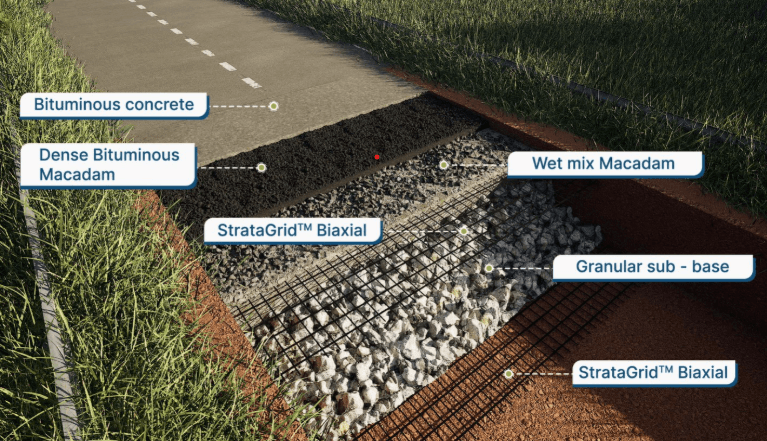
Double layered asphalt concrete is made by applying two unmistakable layers of black-top cement continuously during the street development process. This is the way it’s commonly made:
- Binder course: The initial step includes setting up the total by smashing and screening reasonable materials like rock, sand, or squashed stone to the ideal size and degree. The pre-arranged total is then blended in with a cover, typically asphalt concrete or bitumen, in an asphalt blending plant to create the base or fastener course combination. The blended base or folio course is moved to the building site and laid on the pre-arranged roadbed utilizing pavers. It is then compacted utilizing rollers to accomplish the ideal thickness and perfection.
- Surface course: Like the base course, the total for the surface or wearing course is ready by pounding and screening reasonable materials. The total is blended in with a better grade of asphalt construction or bitumen to deliver the surface or wearing course combination. The blended surface or wearing course is applied on top of the base or folio course utilizing pavers and compacted with rollers to accomplish a smooth and uniform surface.
What are the applications of double layered asphalt concrete?
- Roadways: When utilized in the development and recovery of nearby streets, blood vessel streets, and thruways, its strength and capacity to endure traffic make it appropriate for different road construction types and traffic conditions.
- Pavements: Whether for persons on foot pathways, cycling paths, or sporting facilities, this concrete gives a smooth, strong surface that is impervious to mileage, making it ideal for pavement design in metropolitan and local locations.
- Highway: Interstates and turnpikes frequently experience weighty traffic stacks and require a powerful and dependable street surface. Double layered asphalt substantially meets these necessities and is regularly utilized in the development and upkeep of expressways.
- Airports: The high burden bearing limit and smooth surface of double layered asphalt substantially make it reasonable for air terminal runways, runways, and covers. It can endure the weight and effect of an airplane, guaranteeing protected and productive tasks.
- Parking areas: Parking areas experience continuous vehicle development and require a tough and low-support surface. Double layered asphalt concrete gives an affordable and dependable answer for parking areas in business, modern, and local locations.