
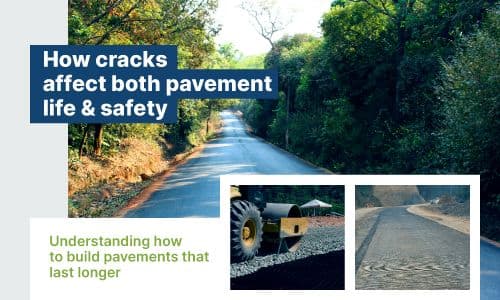
Pavements form an integral component of our transportation infrastructure. Depending on the type, while pavements can be made of different materials, cracks typically appear on asphalt or concrete roads. However, several factors affect the performance and lifespan of a pavement. This makes pavement cracking a significant concern for constructors.
The core source of this is the pavement structure itself which is affected by the load it’s subjected to, temperature changes, or also destabilization of the structure overall. As a result, paved roads end up with reduced durability, increased maintenance costs, and safety hazards. Understanding the types and causes of cracking is essential for implementing effective mitigation strategies. In this blog, we focus in detail on the factors that affect pavement life. From different types of cracking, their causes, and effective prevention and maintenance strategies –we go into depth of the subject.
Types of pavement cracking
Pavement cracking is defined as distress on the surface of the pavement, which can take on many forms, based on the material used. Pavement cracking can be categorised into three forms:
- Top-down cracking or surface-initiated cracking
- Bottom-up cracking or bottom-up fatigue cracking
- Combination cracking
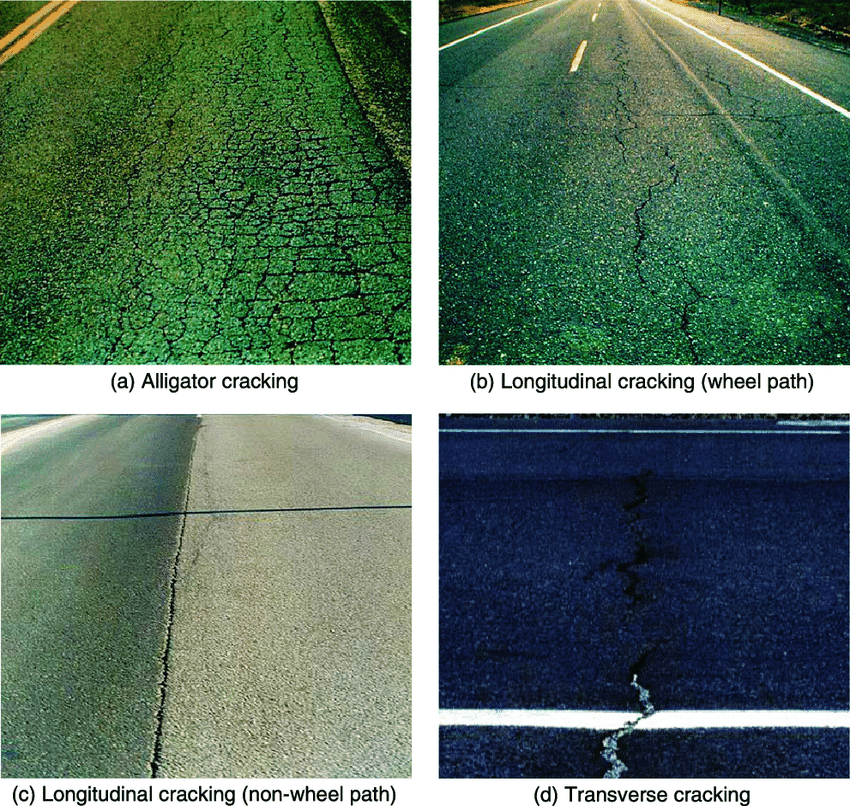
Crocodile cracking
Crocodile cracking, also known as alligator cracking, is characterized by a pattern resembling a crocodile’s skin. This interconnected cracking pattern occurs due to repeated traffic loads, inadequate structural support, or aging pavement materials. To fix alligator cracking, you will need to remove the damaged section, compact the base, and then patch it up.
Longitudinal cracking
Longitudinal cracks run parallel to the pavement’s centerline. These cracks often result from poor joint construction, reflective cracking from underlying layers, or continuous thermal contraction and expansion. For asphalt pavements, these cracks are typically sealed with a rubberized asphalt sealant.
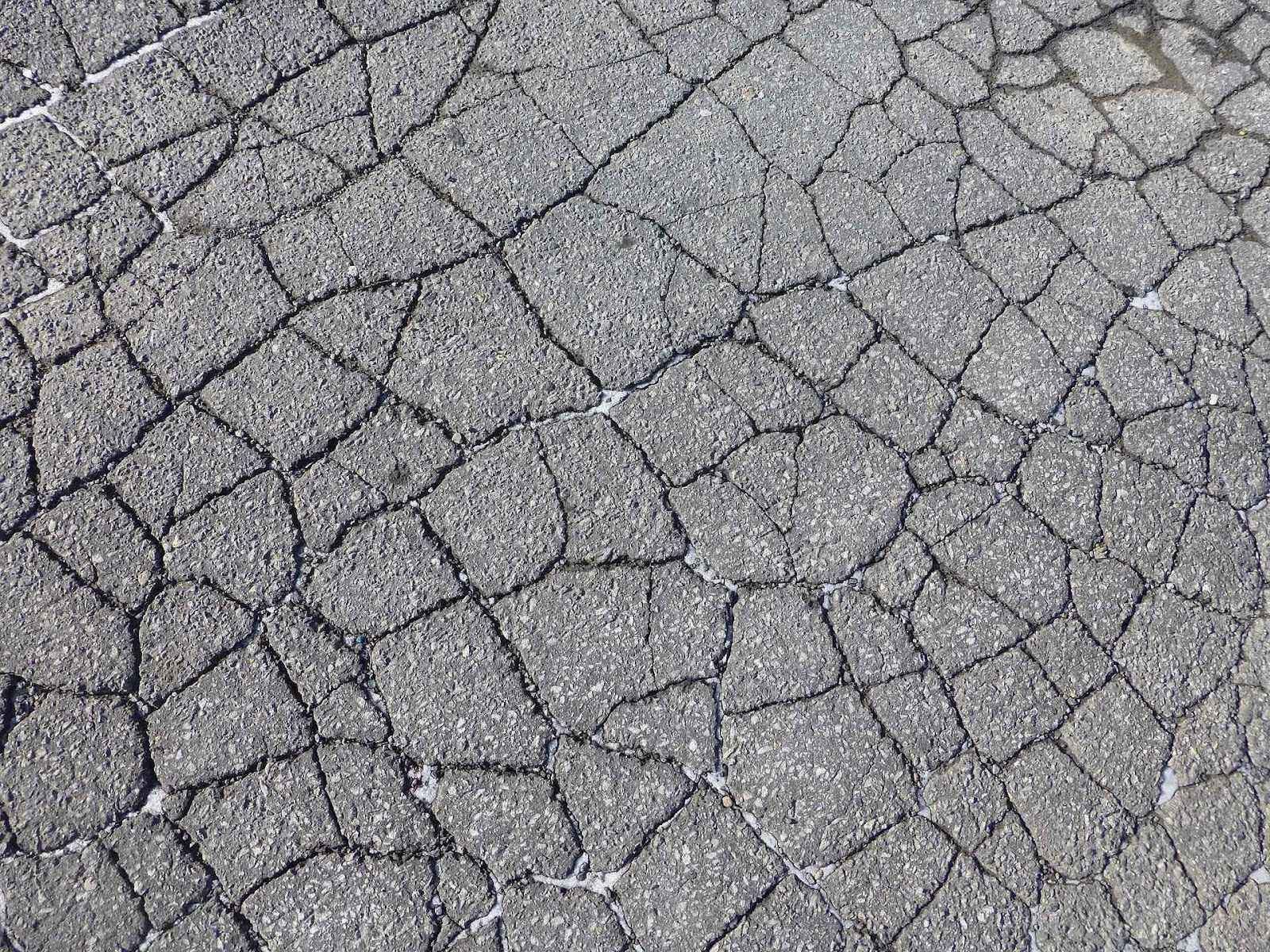
Block cracking
This type of cracking forms a series of interconnected rectangular patterns. It is usually caused by shrinkage of the asphalt concrete or the ageing of the pavement. A stark difference in temperatures can also cause block cracking. This pattern is less load-related and more related to the binder's inability to expand and contract with temperature changes.
Effects of cracking on pavement
Pavement cracking has a number of ramifications. Right from maintenance led issues, to other broader effects, it’s a problem best avoided by proper pavement design and implementation of best-in-class construction processes. They can broadly be classified under the following heads.
Reduced structural integrity
Cracking weakens pavements, reducing their ability to handle loads and stress. Water and debris entering through cracks accelerate deterioration, leading to potholes or complete failure. This compromises safety and shortens the pavement’s lifespan.
Increased maintenance costs
Cracks require frequent, costly repairs involving materials, equipment, and labor. Ignoring small cracks can lead to larger issues, increasing expenses. Repairs also disrupt traffic and inconvenience users.
Safety hazards
Cracks create uneven surfaces and potholes, posing risks to pedestrians, cyclists, and drivers. Water pooling in cracks can cause slippery surfaces and reduce visibility, further increasing danger.
Reduced aesthetics
Cracking makes pavements look neglected, harming the visual appeal of neighborhoods or commercial areas. This can lower property values, deter customers, and reduce community pride.
Environmental impact:
Cracks allow water to seep in, weakening the foundation and causing erosion or soil displacement. Standing water in cracks can attract pests and harm the environment. Frequent repairs also increase resource consumption and environmental footprint. Addressing cracks promptly ensures safer, longer-lasting pavements, reduces costs, and minimizes environmental harm.
Causes of pavement cracking
Pavement cracking becomes a recurring maintenance issue caused by poor pavement design, or if paved roads experience heavier than planned loads, among other reasons listed below.
Heavy traffic loads
The magnitude and frequency of traffic loads impact the lifespan of pavements significantly. When a pavement has heavier loads than planned or increased traffic volume, the appearance of pavement cracks will be accelerated. Since the subgrade tends to compact under loads –there could be a number of issues.
Climate conditions
Extreme temperature fluctuations, prolonged exposure to sunlight, and moisture infiltration weaken the asphalt binder. This weakening is a major factor leading to pavement cracking. Freeze thaw cycles are iterative and worsen the chances of cracking due to the extreme temperatures. Freeze thaw cycles are essentially when water freezes due to cold, and expands. This expansion causes the pavement material to crack, and spall. Once the ice thaws in warmer climates, the pavement contracts. This cycle causes an endless loop of damage to the pavement.
Pavement design and construction:
Faulty pavement design and construction can cause pavement cracking. Inadequate pavement thickness, poor drainage, and substandard construction practices cause premature cracking and deterioration.
Subgrade Issues
Poor subgrade preparation or inadequate support can lead to structural failure and cracking and is one of the leading causes for cracking on the pavement surface. Often, moisture intrusion, inadequate base support, or repetitive deformation of the subgrade under pressure are among the contributors to pavement cracking.
Lack of routine maintenance
Failure to conduct regular inspections, timely repairs, and preventive maintenance measures can exacerbate cracking and lead to further deterioration.
Poor drainage
Inadequate drainage systems can lead to water accumulation beneath the pavement, causing erosion, weakening the base, and accelerating cracking and deterioration.
How to prevent pavement cracking?
The core ingredient for a good pavement lies in the first step, i.e. pavement design. As the field of civil engineering advances with a better understanding of geotechnical forces and materials that influence design, ensuring a strong foundation for roads becomes crucial. At Strata Geosystems, we provide services for design, manufacturing and installation to ensure a singular vision in executing some of the country’s most prestigious projects.
Pavement design
A proper pavement design includes pavement thickness and structural design to withstand anticipated traffic loads and environmental conditions. Right from understanding the load bearing capacity of different soil subgrades to evaluating the ecological impact of deploying construction materials –all of these make a difference in the planning of a paved road, or asphalt road. The pavement design needed for a highway versus an access road vary and need to be considered during this process. For example, StrataWeb, or our geocell [cellular confinement system] is a load support solution that is ideal for low CBR grounds with heavy loading requirements and helps save on natural resources by reducing the aggregate layers.
Good quality materials
Inferior quality materials make the pavement more susceptible to cracking. While traditional methods for subgrade improvement have been in use, today, using geogrids, geocells, and geocomposites solve many of the common engineering challenges. Right from reducing the need for excavation to improve subgrade, to reducing the amount of backfill to other soil improvement techniques, our products at Strata Geosystems help address all of these issues. These products in turn ensure structural stability by improving load bearing capacity, rendering improved shear strength across soils, and also help minimise the impact of soil compaction under heavy loads.
Routine maintenance
The biggest benefit with use of geosynthetics is the reduced maintenance costs. Traditional construction materials often require significant upkeep for proper maintenance, whereas geosynthetics help reduce this by enhancing structural quality. Even using geosynthetics in isolated sections, along with regular inspections, timely repairs, and preventive maintenance measures, can make a significant difference.
Effective drainage
Ensuring proper drainage systems will prevent water infiltration and erosion. This will eliminate cracking due to the weakening of the foundation by water seeping in. By using products such as geocell, which allows water to pass through easily which is a necessary feature for soil improvement in water saturated soil types. The StrataWeb geocells distribute surface loads across a larger area, improving stability and strength.
Materials to mitigate cracking
Strata Geosystems is your partner when it comes to geosynthetics products. Pavement cracking can be a major issue when it comes to the construction of heavy structures. We have a broad spectrum of products that can help in mitigating the issue. The two major players are StrataWeb geocells and SGB geogrids.
SGB Grids: Biaxial polyester geogrids
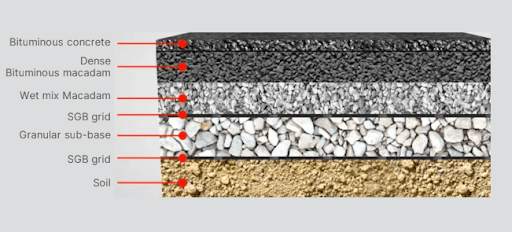
SGB, also known as StrataGrid biaxial geogrids are made of polyester or PET and are flexible, high-performance geogrid. Ideal for soil reinforcement, our products are designed for easy installation. Some of its key features include:
- 5.0 m width for wide coverage of surface area
- Strength of up to 150 kN
- High molecular weight (>25000 g/ mol)
- High load-bearing capacity to mitigate cracking
StrataWeb and SGB geogrids reduce the requirement of expensive quarried materials in the base layers.
StrataWeb®: Geocells
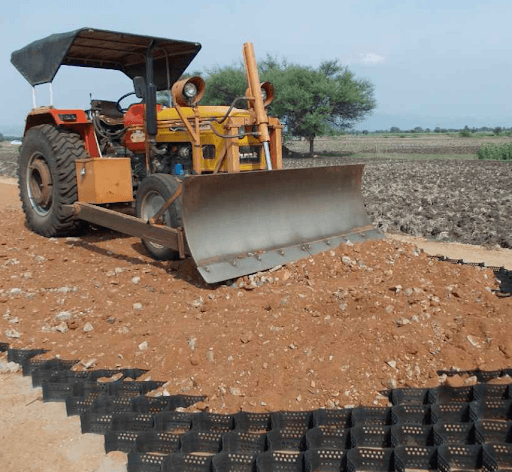
Our product, StrataWeb®, is a Cellular Confinement System (CCS) used for challenging soil stabilization and load support applications. These three-dimensional systems are manufactured from textured and perforated HDPE strips, helping with water movement and confining weak soil.
Key benefits for civil engineering:
- Cost-effective and fast installation
- Flexible & collapsible material for easy transport
- Supports steep slopes up to 60 degrees
- Multiple infill options – soil, concrete, aggregates
- Enables vegetation growth on slopes
Addressing different types of cracking and their causes helps in adopting prevention and maintenance strategies. By doing so, we can enhance the durability and safety of our transportation infrastructure.