logo
project-banner
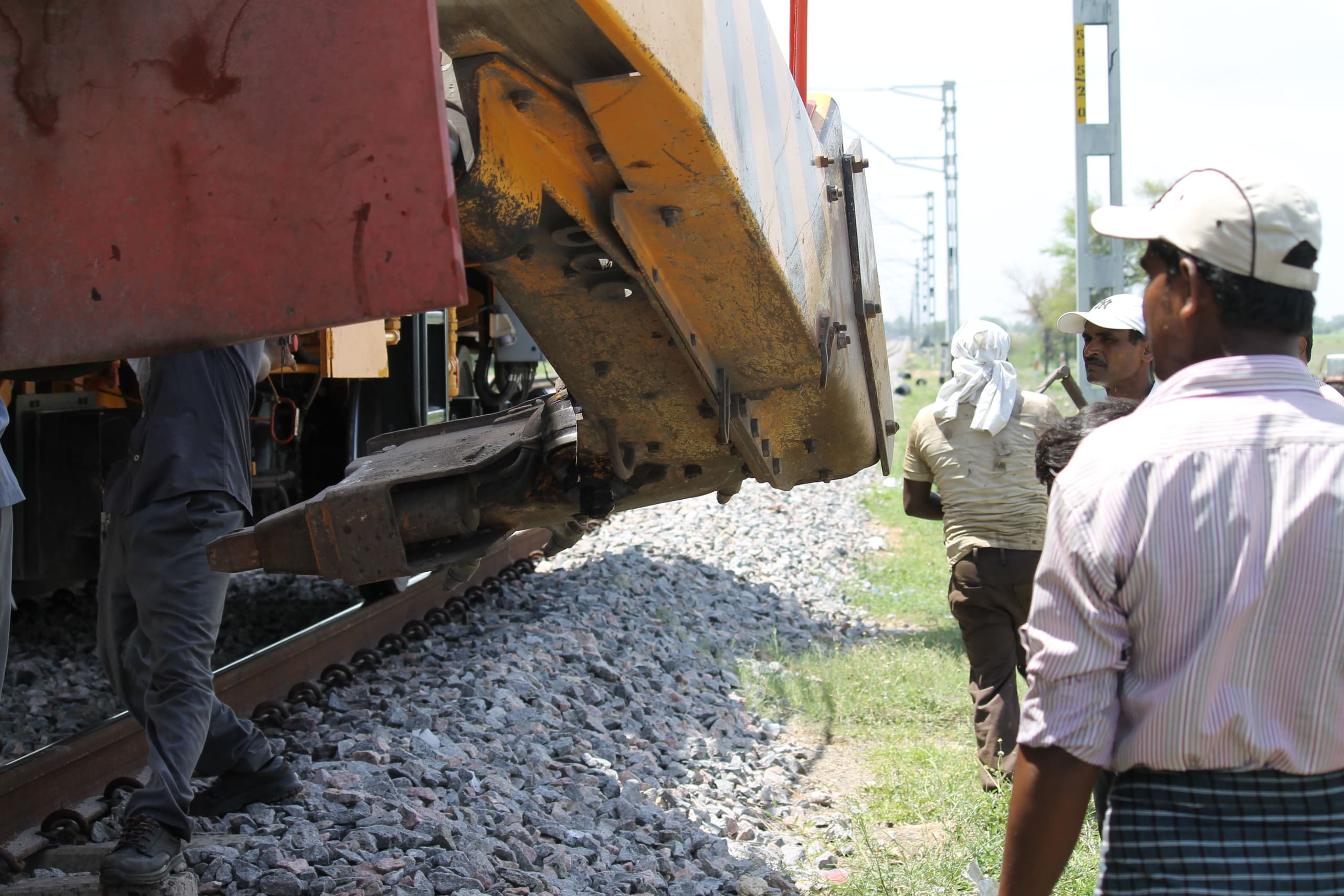
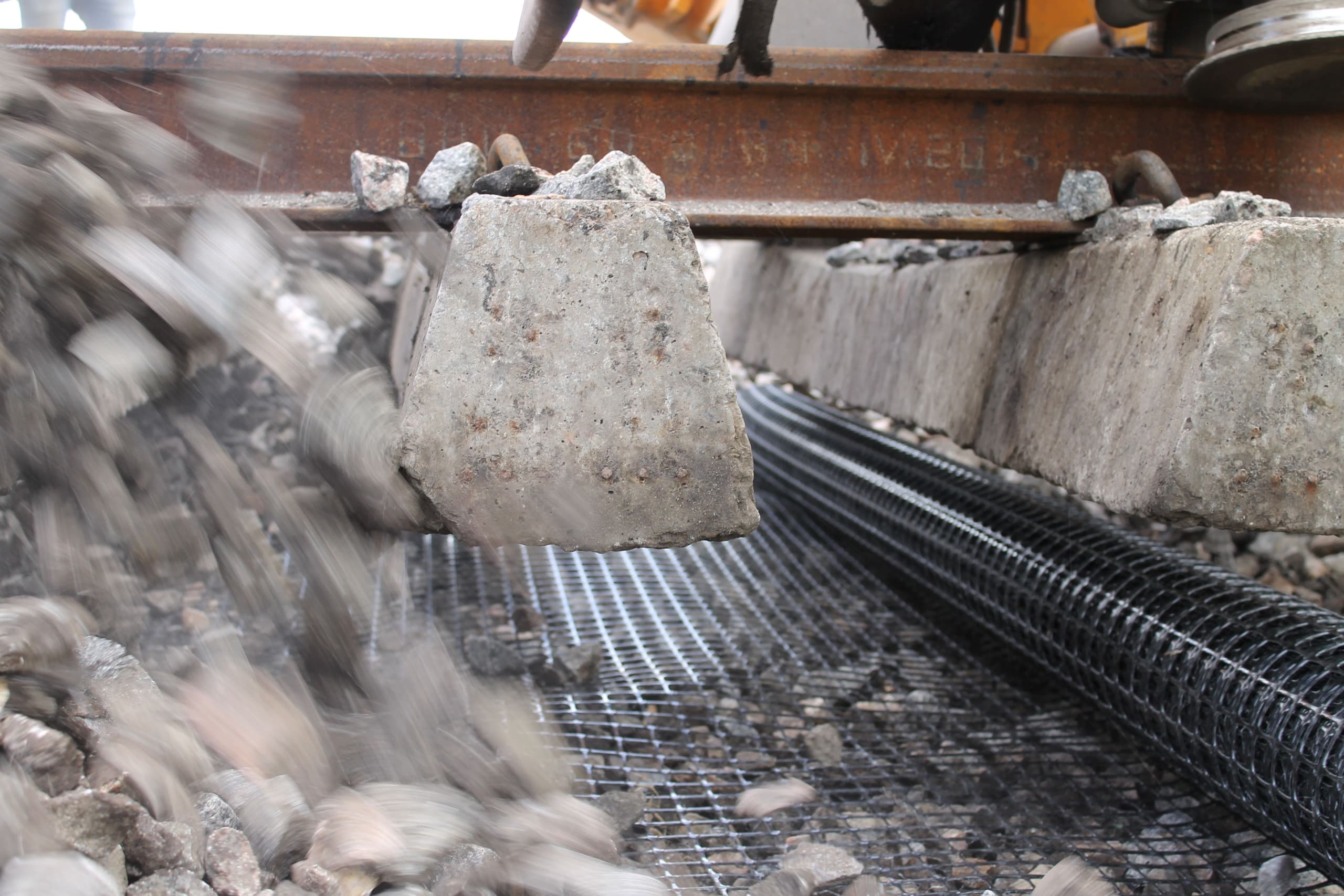
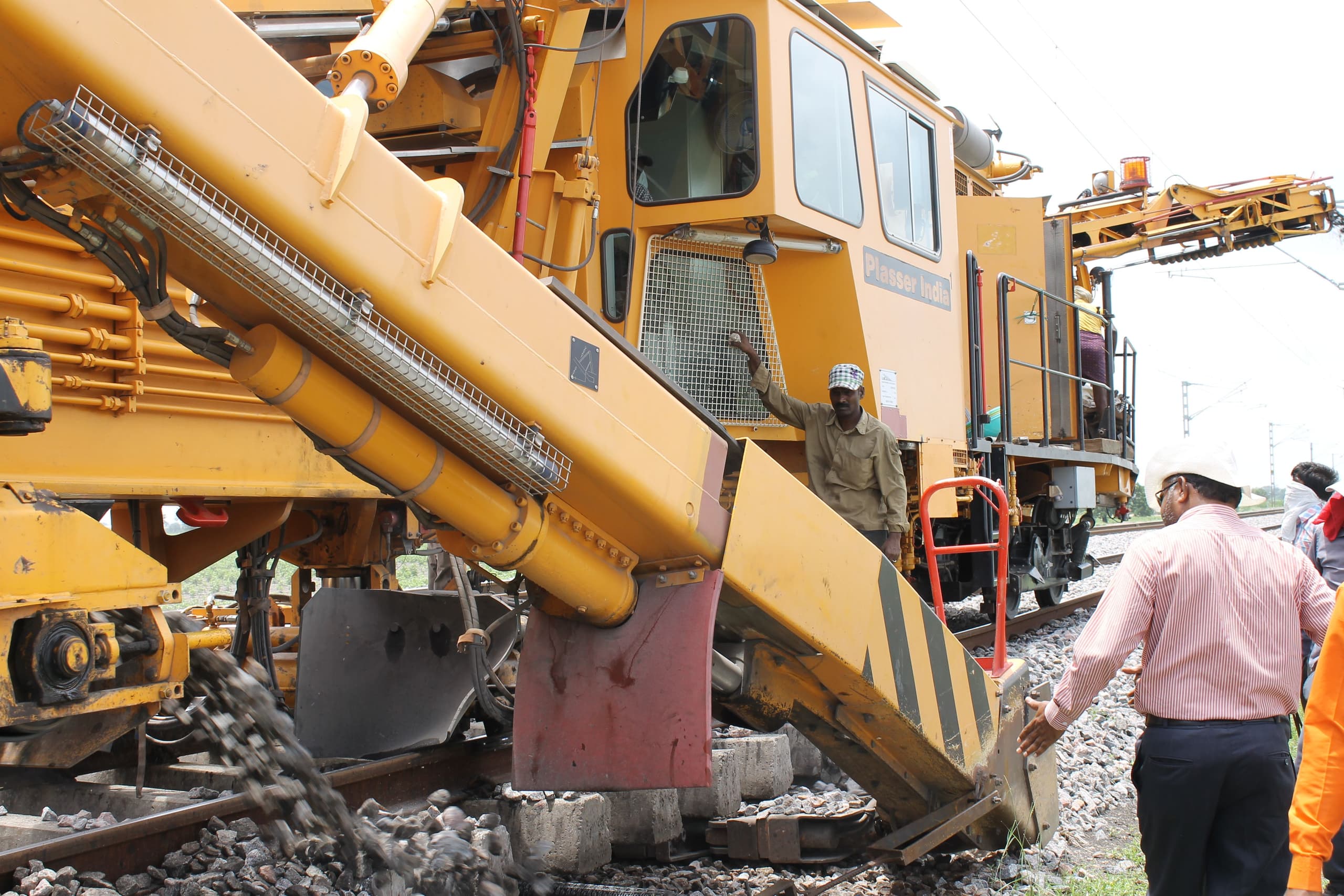
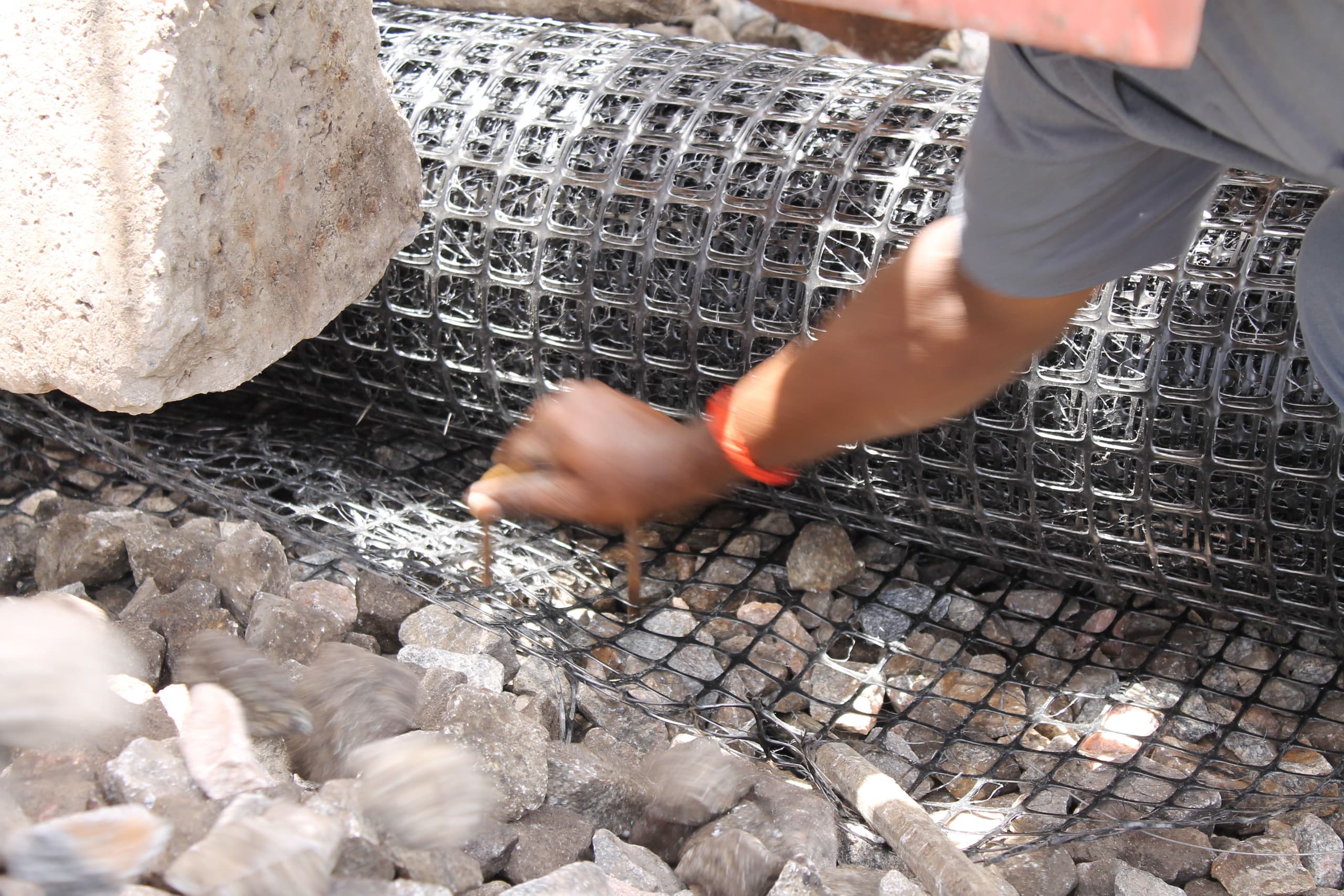
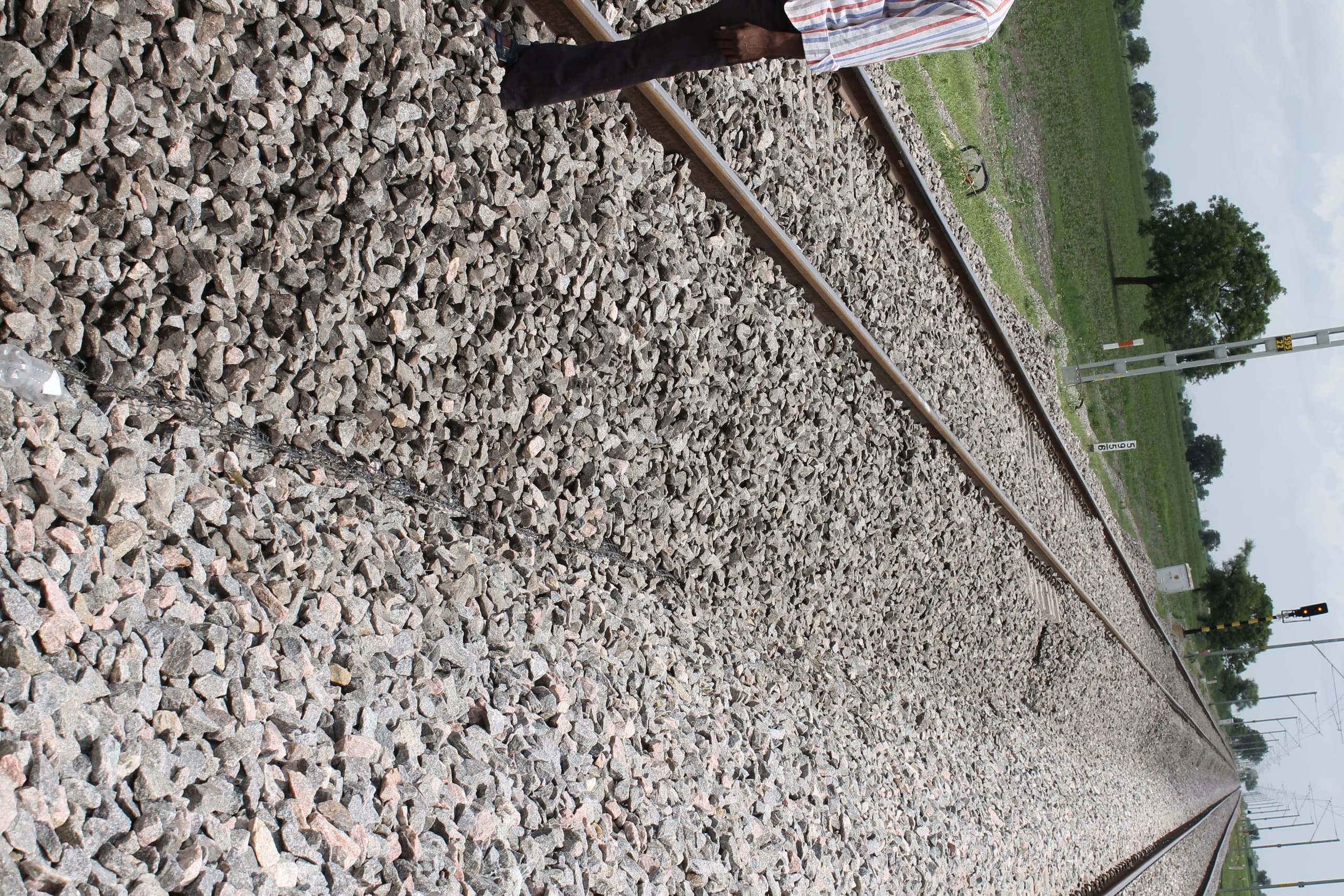
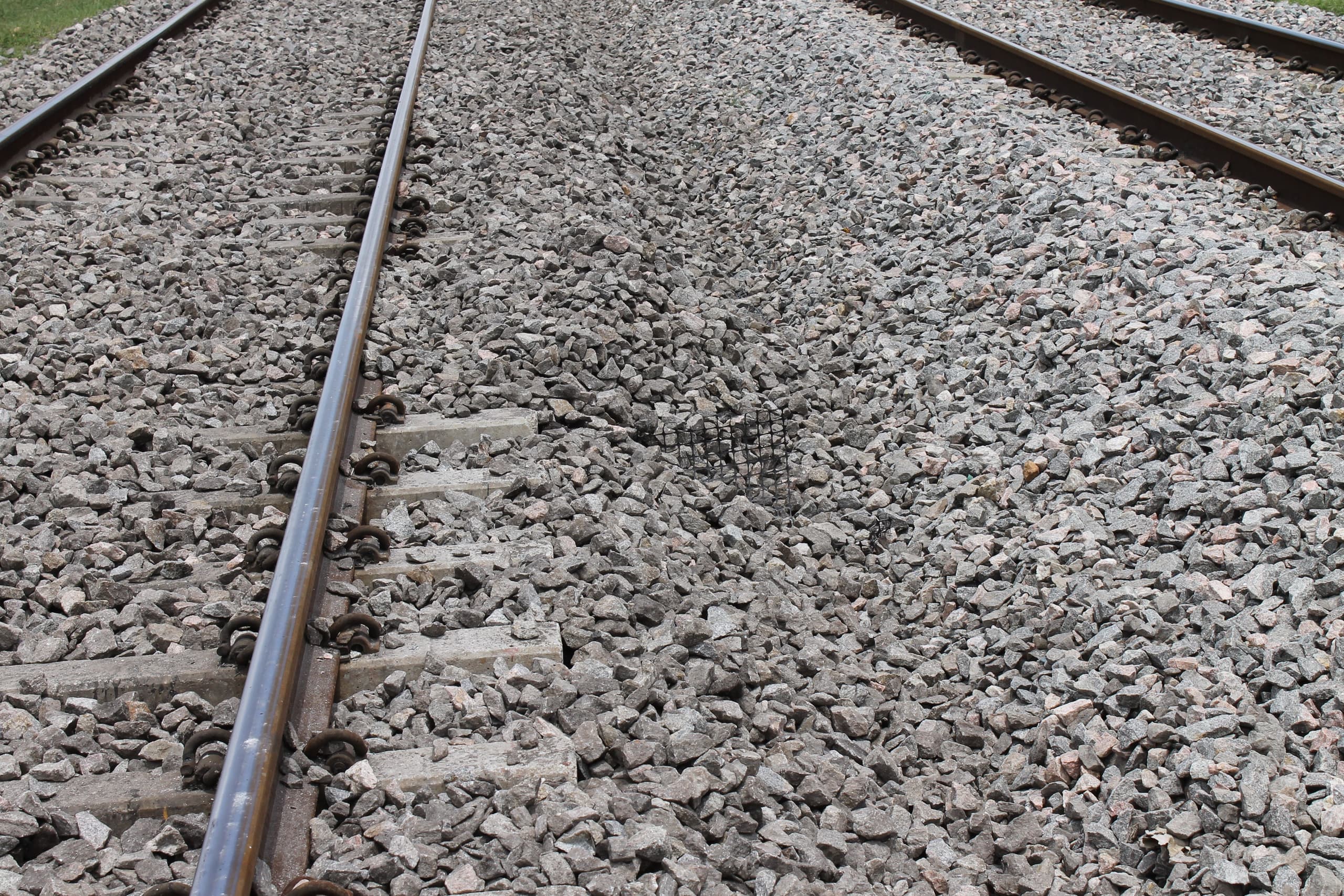
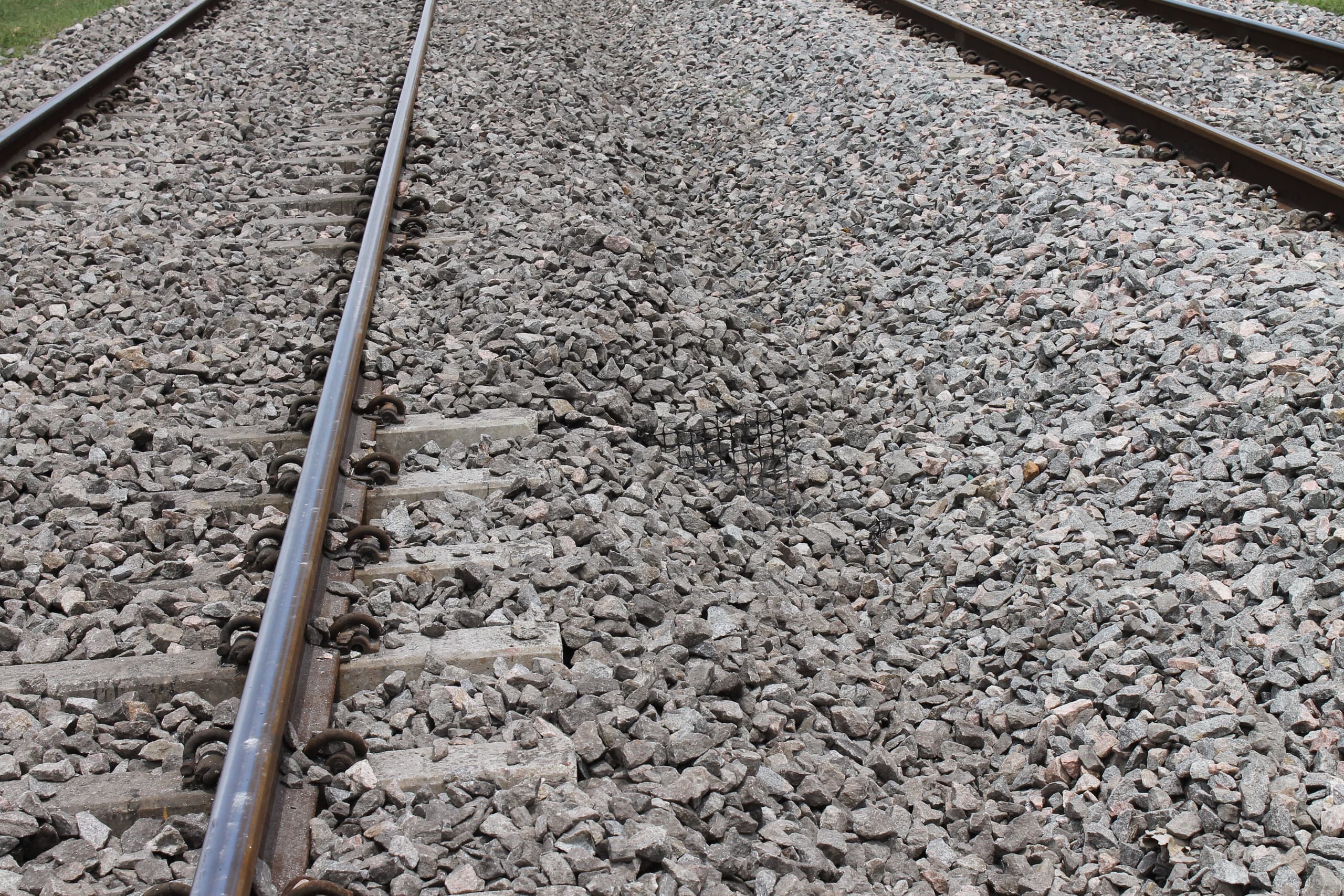
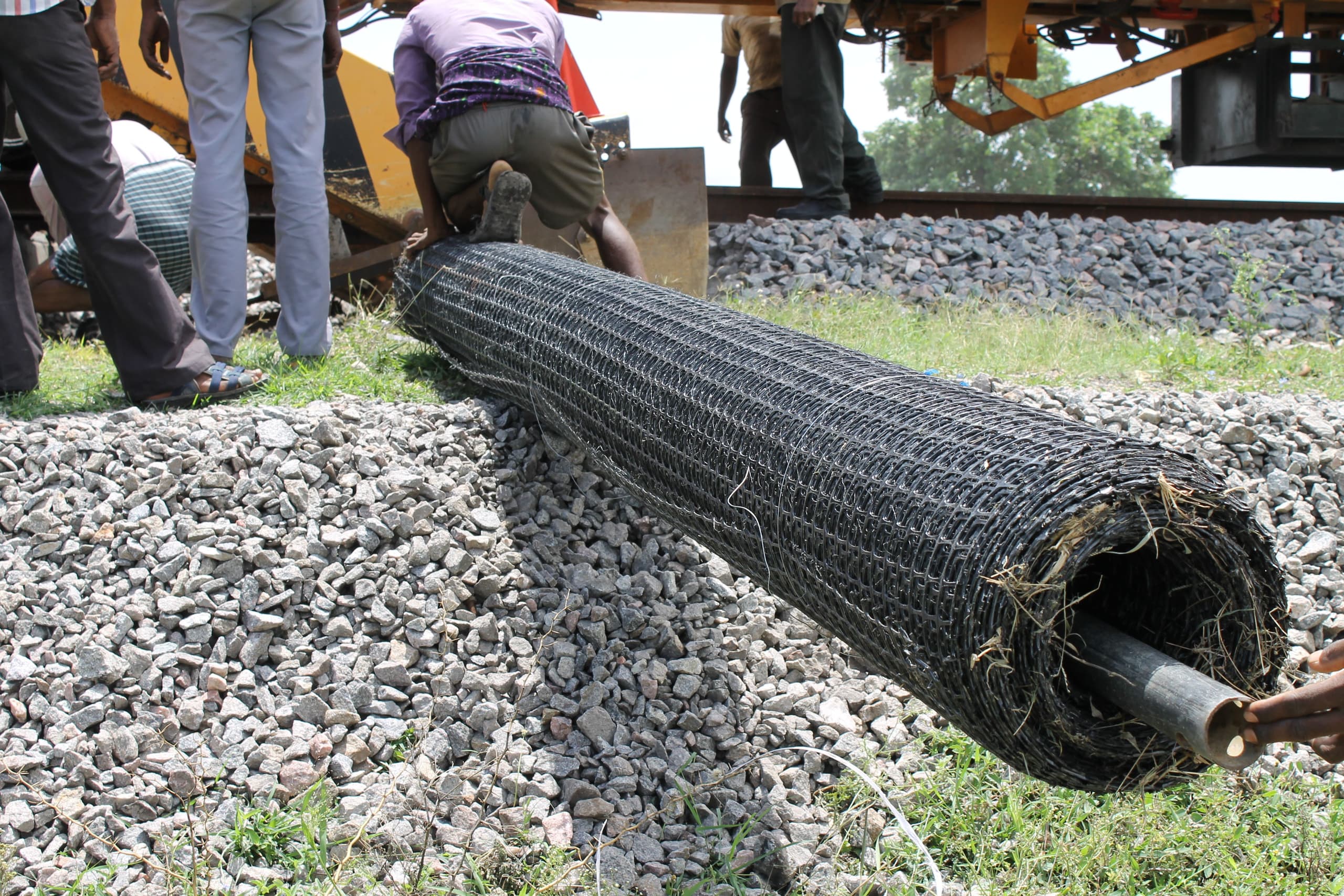
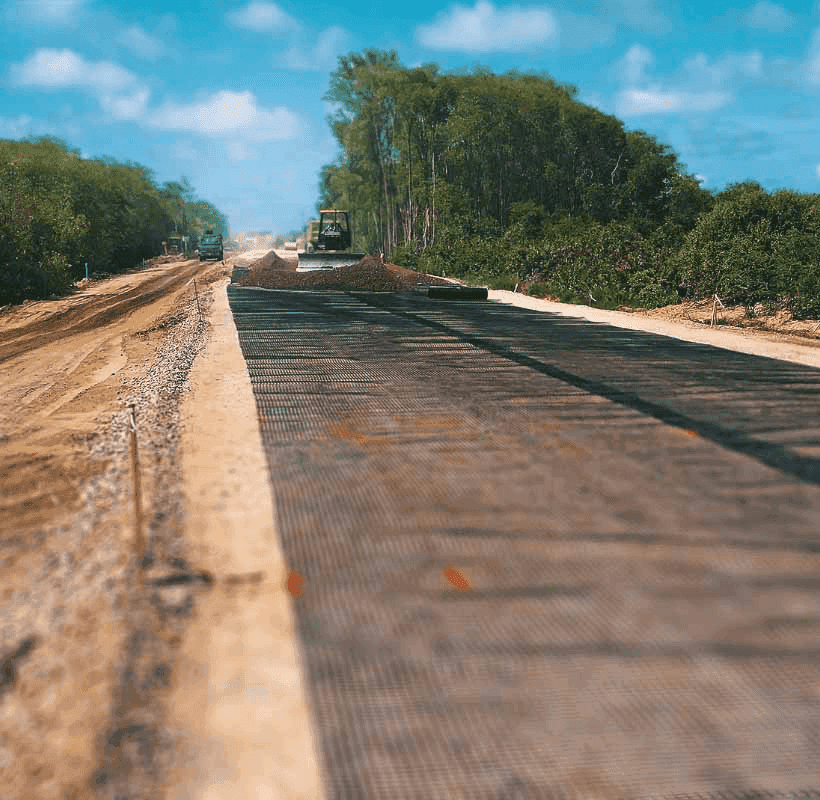
StrataGrid Uniaxial Geogrid installation

Key advantages of track reinforcement

Reduced subgrade stress

Interlocking [geosynthetics]spread axle loads laterally within ballast and sub-ballast layers, reducing peak stresses transmitted to the subgrade

Reduced permanent deformation

Improved confinement and increased composite stiffness limit vertical compression and lateral displacement under repeated loading cycles.

Ballast preservation

By restricting particle movement, reinforcement helps slow degradation and maintain drainage characteristics.

Improved bearing performance

Basal reinforcement mobilizes tensile resistance under deformation, enhancing overall load-carrying behavior in weak foundation soils.

Maintenance optimisation

Greater structural stability contributes to longer intervals between geometry corrections, provided installation and drainage are properly managed.

Efficient use of materials

When properly designed using site-specific parameters, reinforcement can optimize aggregate thickness without compromising structural requirements.

Engineering stable rail foundations

In most railway systems, long-term performance issues originate in the ballast and subgrade rather than in the rail itself.

Each passing axle applies cyclic stress through the rail and sleeper system into the ballast and foundation soils. Because rail loading is repetitive, small strains that initially seem insignificant can accumulate and eventually appear as settlement or loss of geometry. When the foundation layers cannot adequately control these stresses, the consequences typically include:

• Progressive settlement

• Ballast breakdown and lateral spread

• Loss of confinement

• Differential deformation at transitions

• Increasing maintenance frequency

Increasing ballast thickness alone may not address deformation where subgrade weakness governs performance. In many cases, improving the mechanical behavior of the foundation system is more effective than simply increasing material volume.

Strata Geosystems develops reinforcement solutions that enhance how the track structure responds to repeated loading, limiting movement, redistributing stress, and preserving stiffness over the design life of the railway.
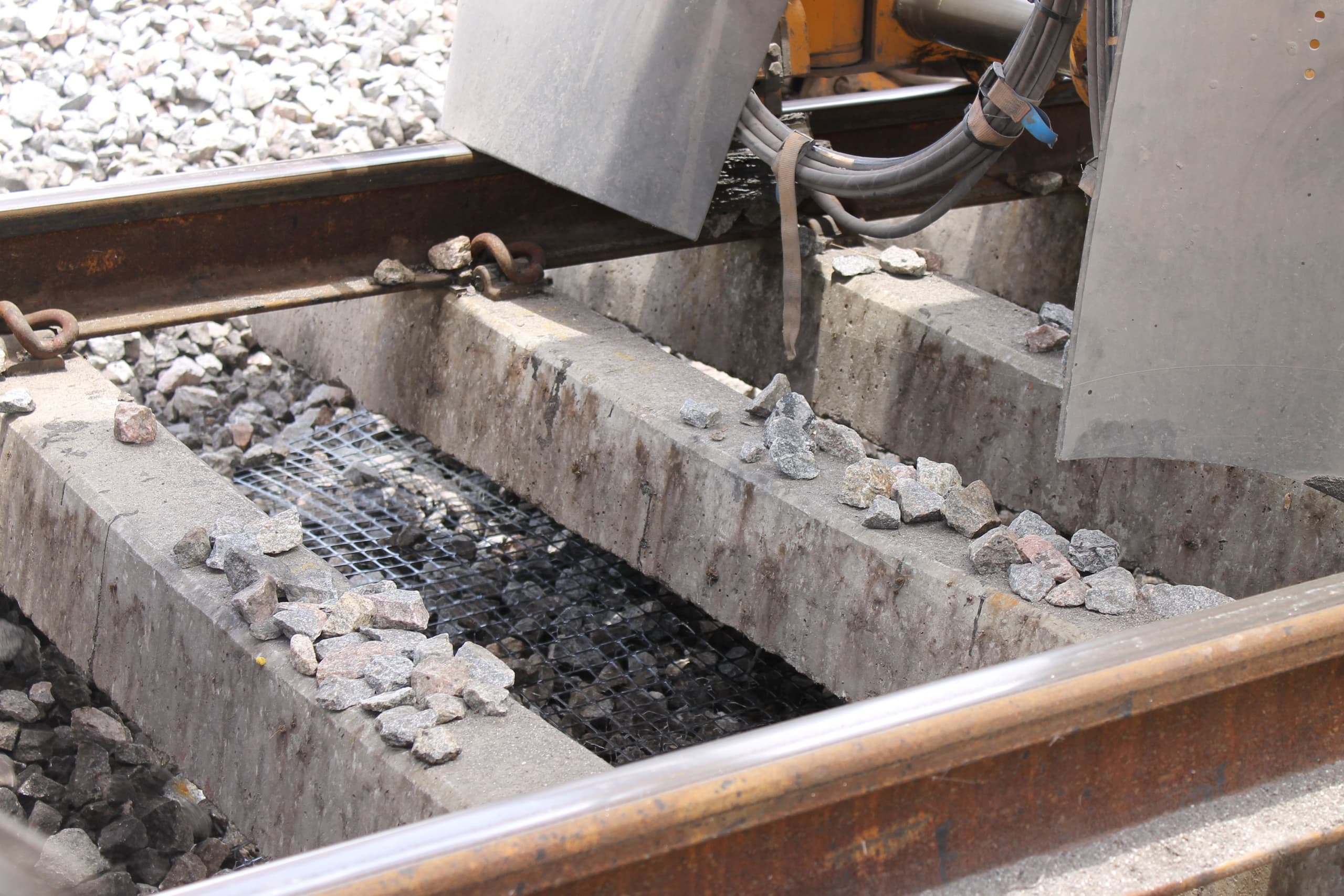
Technology configuration image

Applications of track reinforcement

Track bed stabilisation
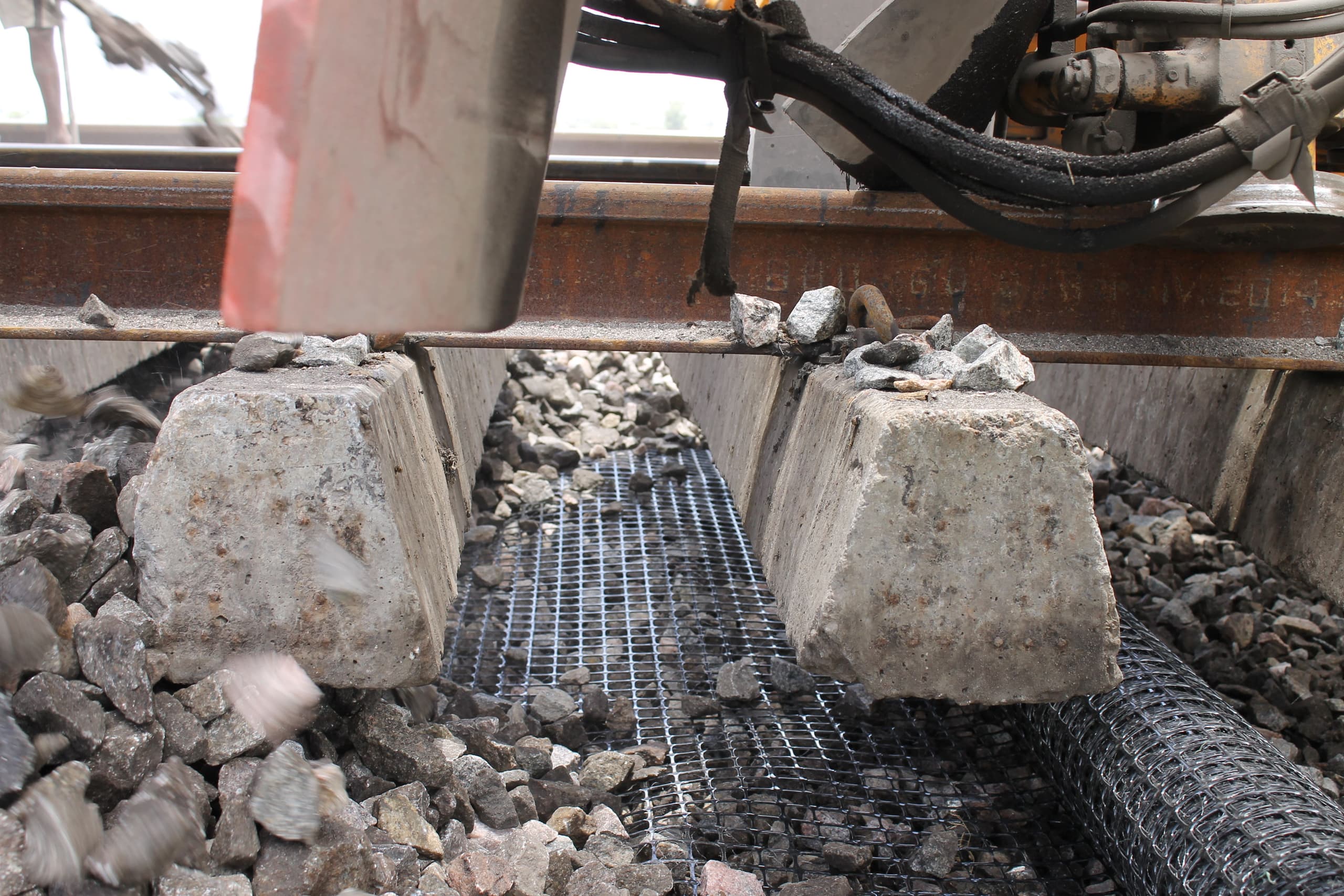
Track bed stabilisation

Where subgrade strength varies along a corridor, reinforcement reduces the impact of those variations on track performance. By reducing differential stiffness, long-term track geometry control is improved.
Performance is influenced by:
• Subgrade CBR
• Groundwater conditions
• Ballast thickness
• Axle load and traffic frequency
Reinforcement systems such as StrataGrid™or StrataWeb®reduce the impact of subgrade variability by increasing foundation stiffness and improving stress distribution. Proper evaluation of these parameters is essential during design.
Ballast and sub-ballast reinforcement
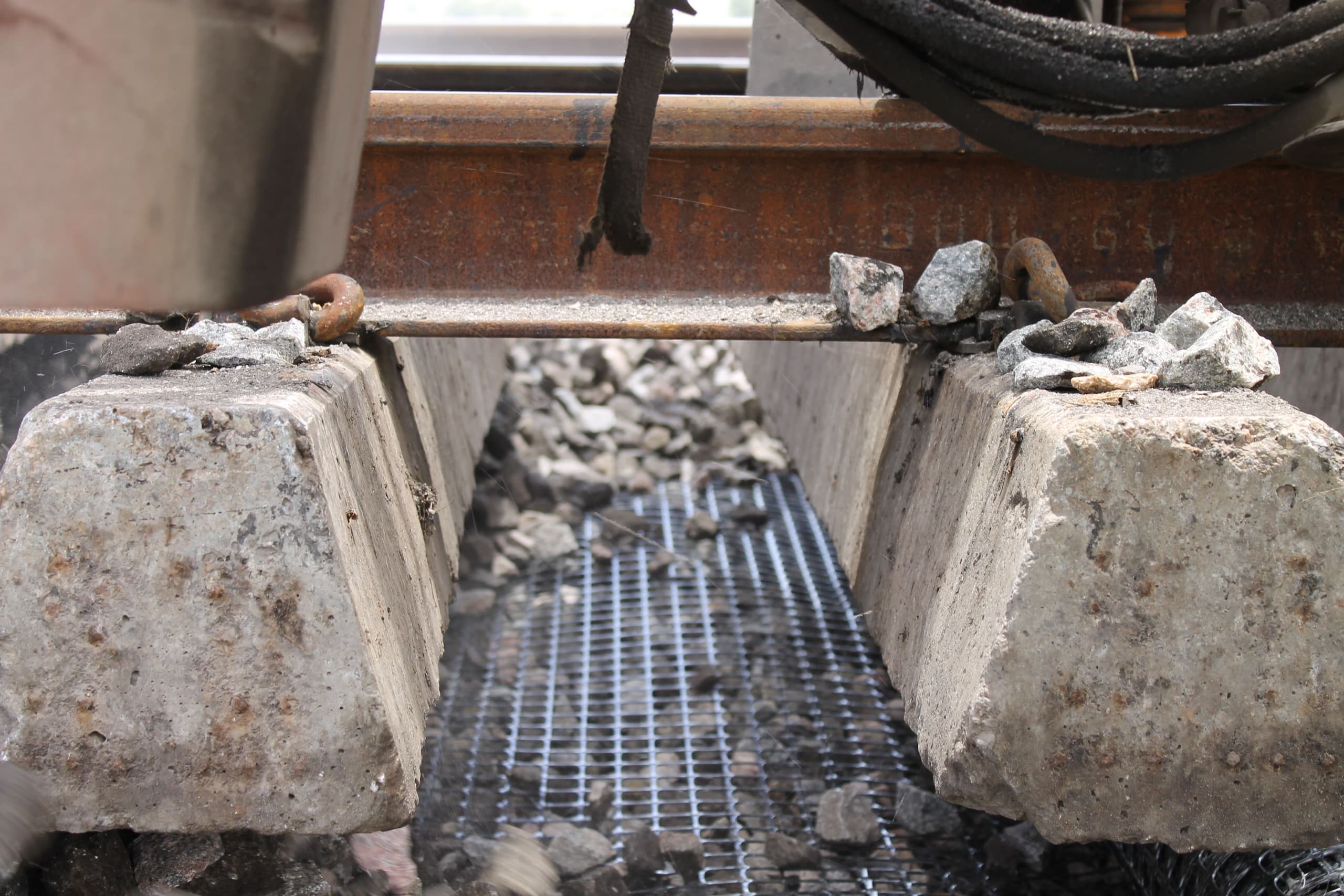
Ballast and sub-ballast reinforcement

Under repeated cyclic loading, ballast can migrate laterally, reducing confinement and increasing shear strain in the supporting layers. Reinforcement limits that movement and spreads the load more effectively through the aggregate layer.
Compatibility between grid aperture and aggregate size, along with correct placement depth and compaction, is critical to achieving the intended performance.
Weak or moisture-sensitive soils

Weak or moisture-sensitive soils

Over low-strength subgrades, basal reinforcement improves composite bearing behavior and controls differential settlement. This is particularly relevant in areas with high groundwater levels or seasonal moisture variation.
Reinforcement does not replace proper drainage or ground improvement where required, but it enhances structural stability when used as part of an integrated foundation design.

Heavy haul rail

High axle loads increase stress concentrations and accelerate plastic strain accumulation within the track structure. In heavy haul applications, reinforcement increases load distribution efficiency and controls shear strain accumulation under sustained axle repetition.
Rail yards and terminals

Rail yards and terminals

Slow-moving but heavily loaded trains produce sustained stress within ballast layers. Reinforced sections provide improved confinement and stiffness, reducing localized deformation in frequently trafficked areas.
Cellular confinement systems such as StrataWeb® provide improved stiffness and confinement in high-traffic zones, reducing localized deformation and rut formation.
Transition zones

Transition zones

Bridge approaches, level crossings, and culvert interfaces introduce abrupt stiffness contrasts. These zones often experience differential settlement due to structural modulus mismatch and dynamic amplification effects.
Reinforcement can help ease the transition in support stiffness, although it should be combined with proper transition detailing. For optimal performance, reinforcement should be integrated with appropriate transition detailing.

High-speed corridors

High-speed systems require a consistent track modulus to maintain geometry under dynamic loading. Reinforced foundations contribute to uniform support conditions and reduced long-term settlement variability.

Gallery of Track Reinforcement Projects
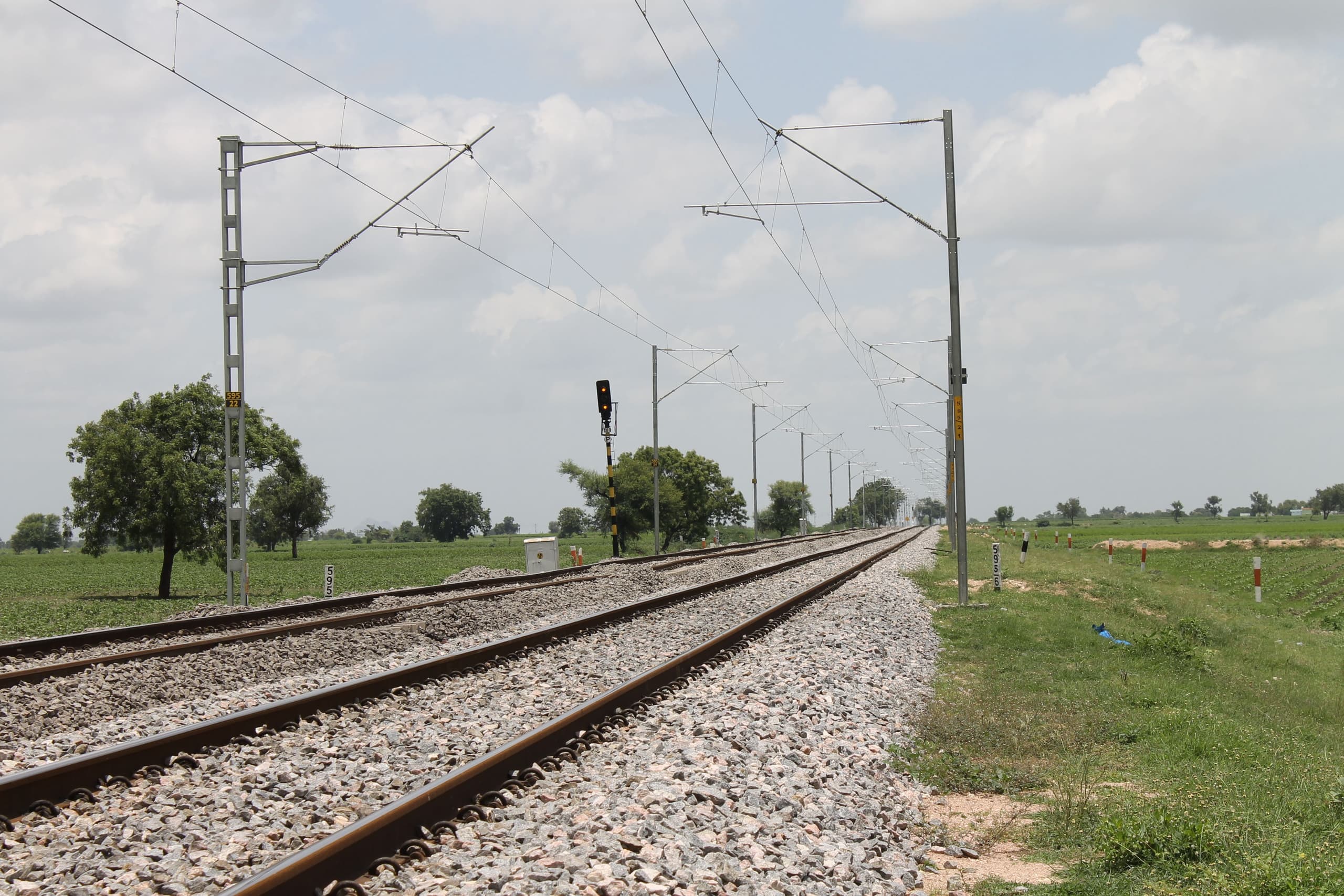
Project
Project
Project
Project
Project
Project
Project
Project
Project
Project
Project
Project
Project
Project
Project
Project
Project
Project
Project
Project
Project
Project
Project
Project
Project
Project
Project
Project
Project
Project
Project
Project
Project
Project
Project
Project
Project
Project
Project
Project
Project
Project
Project
Project
Project

Products used in Track Reinforcement
StrataGrid™ Uniaxial Geogrids (Product)
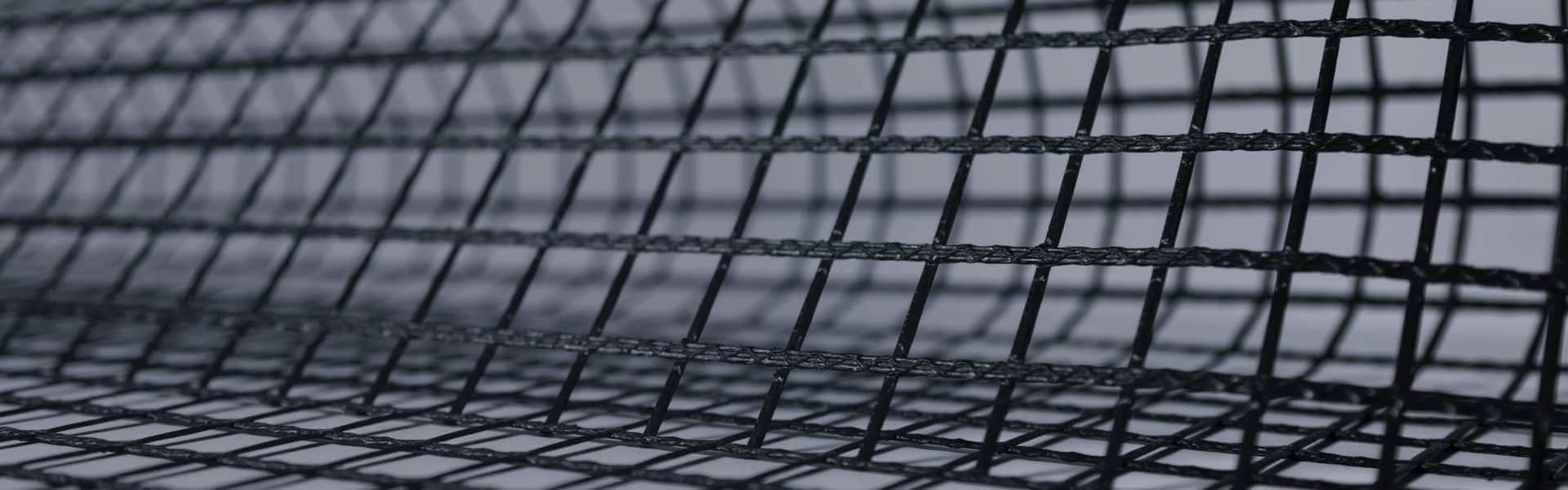
StrataGrid™ Uniaxial Geogrids (Product)

Introducing StrataGrid™, an innovative geogrid that serves as a highly efficient soil reinforcement solution. This cutting-edge product is crea.....
Discover more
StrataGrid™ Biaxial Geogrid (SGB) (Product)
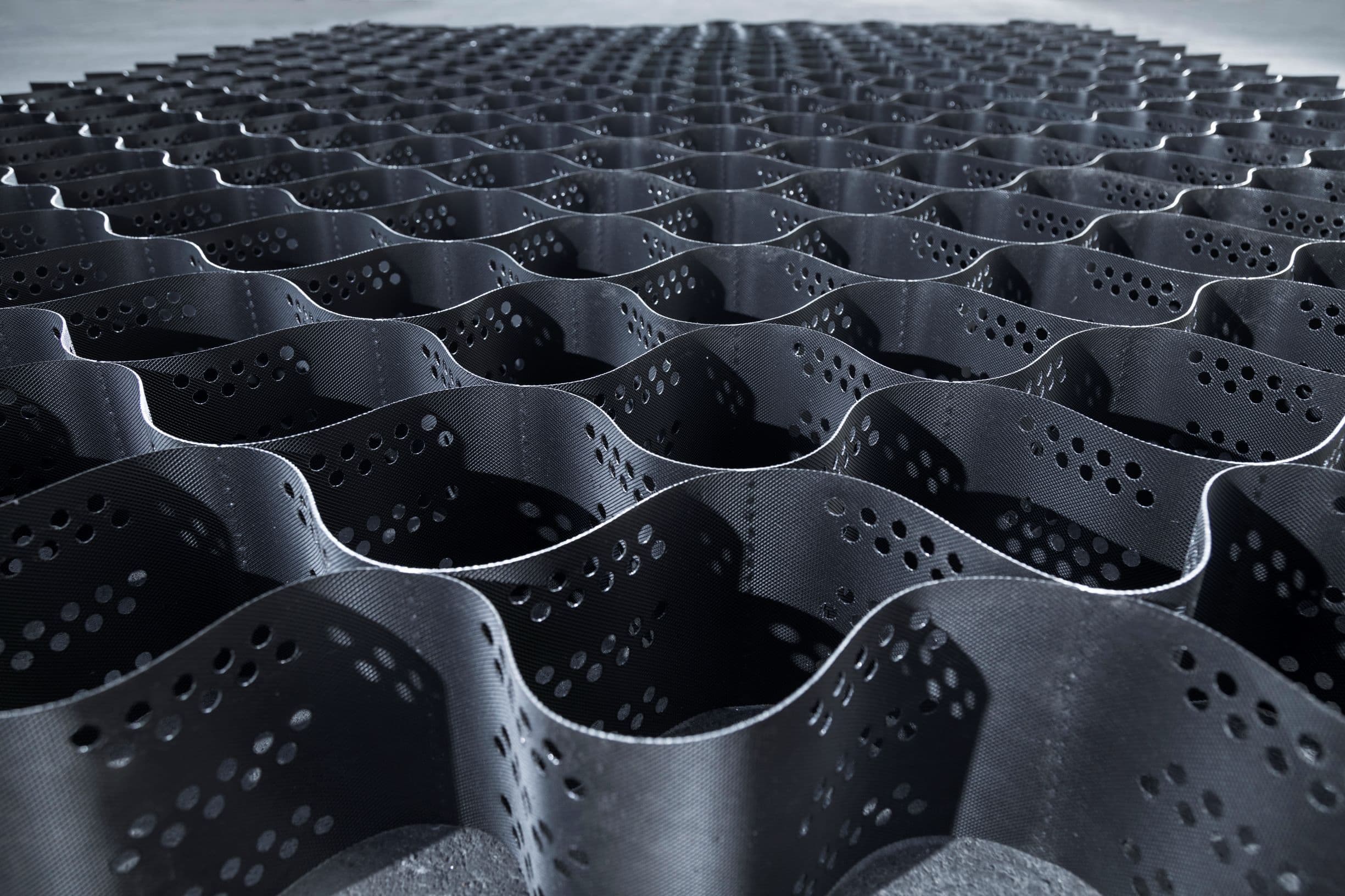
StrataGrid™ Biaxial Geogrid (SGB) (Product)

StrataGrid™ Biaxial Geogrid is a groundbreaking innovation in pavement construction that revolutionizes the durability and longevity of flexible pavements, particularly in highway embankments.
Discover more
StrataWeb® (Product)

StrataWeb® (Product)

Geocell technology, exemplified by the groundbreaking StrataWeb® system, harnesses the inherent strength of the three-dimensional honeycomb structure found in nature.
Discover more

More success stories

CONSULTATION

From know-how to manufacture, installation and support.

Strata not only provides geotechnical products, but our team of 200+ engineers can help you with your turnkey project by supplying you with technical knowhow and support as to how our products can help you finish your projects in time while keeping costs down.

Send us your queries and we will get back to you with our expertise.