
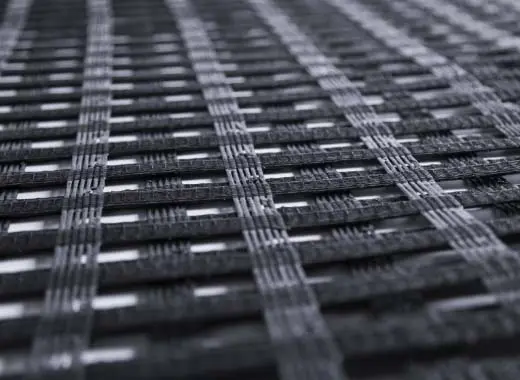
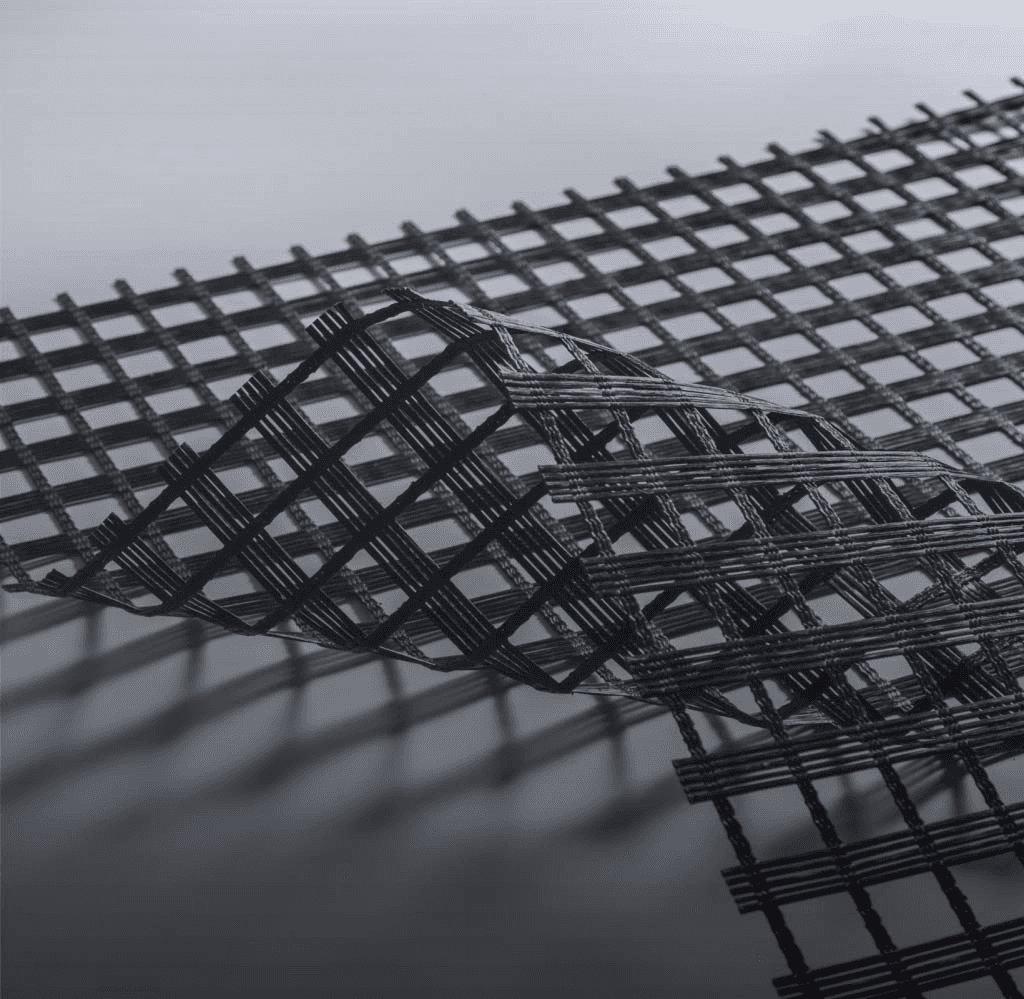
What is a geotextile?
A geotextile or geofabric is any permeable fabric or textile made from polymers that is used in geotechnical applications for a wide variety of functions. This unique product brings together the science of civil engineering to textile material science. Geotextile, as the name suggests, is a permeable roll of fabric, and is broadly classified into 3 types: woven, non-woven and knitted categories. Although it can be made from natural materials too, for its wider applications in geotechnical engineering, geotextile fabrics are typically made of polypropylene or polyester. A key feature of a geotextile is that it has to be permeable for it to work.
Geotextiles are used in-plane or out-plane with soil to serve any of the six purposes or combinations (not simultaneously), i.e. separation, filtration, reinforcement, drainage, protection, and surface stabilization. Each, while unique, is often leveraged for different soil types and different industries. This multipurpose function of geotextiles makes it ideally suited for applications with fluid involvement. Often, it’s mistakenly described as serving the role of soil reinforcement which, in reality, is one of its functions,i.e. providing reinforcement to the soil above or below which it sits through its tensile strength.
Strata Geosystems geotextile

StrataTex HSR™
StrataTex™ NGT
Overview
A geotextile or geo-fabric as it is also known as a multifunctional geosynthetic product that can used in six different ways. Known for its versatility, geotextile is typically used for its multiple functions but often chosen for three main uses: drainage, filtration and reinforcement
Functions of geotextile
How do geotextiles work?
Being a versatile component, geotextiles serve 6 key functions by virtue of their permeability based on each use case, and site specification. Geotextiles, at Strata Geosystems typically, come in rolls but are also available in bags, tubes or containers depending on the exact application and location of use.
Depending on the type of geotextile (woven, non-woven or knitted), its physical properties change. While woven geotextiles have a fabric-like structure, non-woven geotextiles have a random fiber arrangement. The third category, and what we manufacture, at our factories in Vapi India, is the knitted geotextile. Combining excellent permeability, with low creep strength and superior elongation, our knitted high performance geotextiles are manufactured from elite-grade polyester yarn. These materials contribute to durability and sustainability of infrastructures.
Much like knitted fabric which is stretchable, our product, StrataTex HSR geotextile, is also employed for reinforcement, stability, and filtration.
Applications of geotextiles
Geotextiles are a valuable choice of high strength fabrics within the geosynthetic class of products for specific conditions. Knitted geotextiles are chosen in instances needing dynamic soil management and precise hydraulic control, making them a nuanced solution. Whether they’re used in-plane or out-plane depends on the soil mechanics. . Geotextiles are also chosen when high water flow or erosion rates are expected, poor soil quality or instability exists, chemical or biological contamination needs to be contained, or remote or inaccessible locations make other options impractical. This is not to say that it cannot be applied in situations outside of the ones stated
Civil construction
While knitted geotextiles are not a common product for civil construction applications such as road construction, highway or bridge development, they’re often applied as a supplemental layer to provide extra reinforcement. In regions characterised by high moisture variability or weak subsoil conditions, knitted geotextiles deliver excellent separation between aggregate base layers and native soils, thereby minimizing intermixing and maintaining structural integrity. Its bidirectional filtration, i.e. hydraulic conductivity properties prevent fine soil particles from migrating while allowing water to pass through, reducing the risk of frost heave and subgrade weakening. This feature improves the foundational stability and improves overall soil behavior with other material interventions.
Environmental protection
Mining and quarry
For mines and surrounding operations such as heap leach pads, tailing storage facility (TSF), tailing dams, and other areas, the biggest risk to operations is contamination, apart from earth related geotechnical challenges. While our other products provide excellent erosion control on steep haul roads, and slope protection within the premises of the mines and quarries, harsh chemicals, and physical damage pose risk. With a chemically, and physically aggressive environment, knitted geotextiles have strong resistance to abrasion from both types of stresses.
Knitted geotextiles find use due to their key features of being able to separate, sieve, and drain specific materials depending on the pore sizes, hydraulic pressure, and being able to withstand strong pH environments too.
Water and Coastal Engineering Applications
Knitted geotextiles are useful in coastal protection for shoreline stability and reducing sand erosion since the structures there are subject to wind, wave, and currents. Placed beneath revetments, and breakwaters, geotube systems (where in tubes are constructed from geotextiles), these materials maintain the natural barrier between land and sea, stopping sand loss during high tides and storm surges. This means reduced need for physical barriers such as seawalls, or tetrapods. When combined with other geosynthetic applications such as geogrids, the structures can withstand high tension from waves, and tidal pressures.
How are knitted geotextiles made?
Geotextiles, being high-performance fabric, are engineered to execute specific functions that contribute to the longevity of the structures. The initial process involves selecting appropriate synthetic polymers such as polypropylene, polyester, and polyethylene. StrataGeosystems knitted geotextiles are manufactured using a high-grade polyester yarn with special high tenacity and low creep properties knitted into a stable network. We have both Uniaxial and Biaxial series that guarantee superior quality, consistency and dimensional stability. StrataTex HSR™ is manufactured in a state-of-the-art manufacturing plant located in India.The manufacturing process involves 2 phases: beaming and knitting. In the beaming process, a specific quantity of yarn ends is extracted from a creel and wound onto a large cylindrical beam. Our advanced, fully automated beaming equipment guarantees consistent yarn tension, as well as stability during both take-up and unwinding processes.Then, using state-of-the-art knitting machines, high tenacity polyester yarn is precision-knitted into a dimensionally stable network of apertures.
What distinguishes StrataTex HSR™ from conventional geotextiles is its reduced elongation compared to its competitors resulting in a resilient material that resists deformation, thereby long-term structural integrity. Additionally, our product excels in stress-strain performance, enhancing the durability and longevity of your geotechnical projects.
The superior permeability of StrataTex HSR™ aids optimal fluid management, effectively mitigating the risks of water accumulation and erosion. With versatility at its core, StrataTex HSR™ is offered in expansive widths, reaching an impressive 5.8 meters, along with customizable lengths designed to diverse project specifications, ensuring both efficiency and cost-effectiveness.
Success Stories
Infrastructure demands solutions that perform under pressure. See how our certified systems and expertise have delivered long- term stability in projects across the globe.
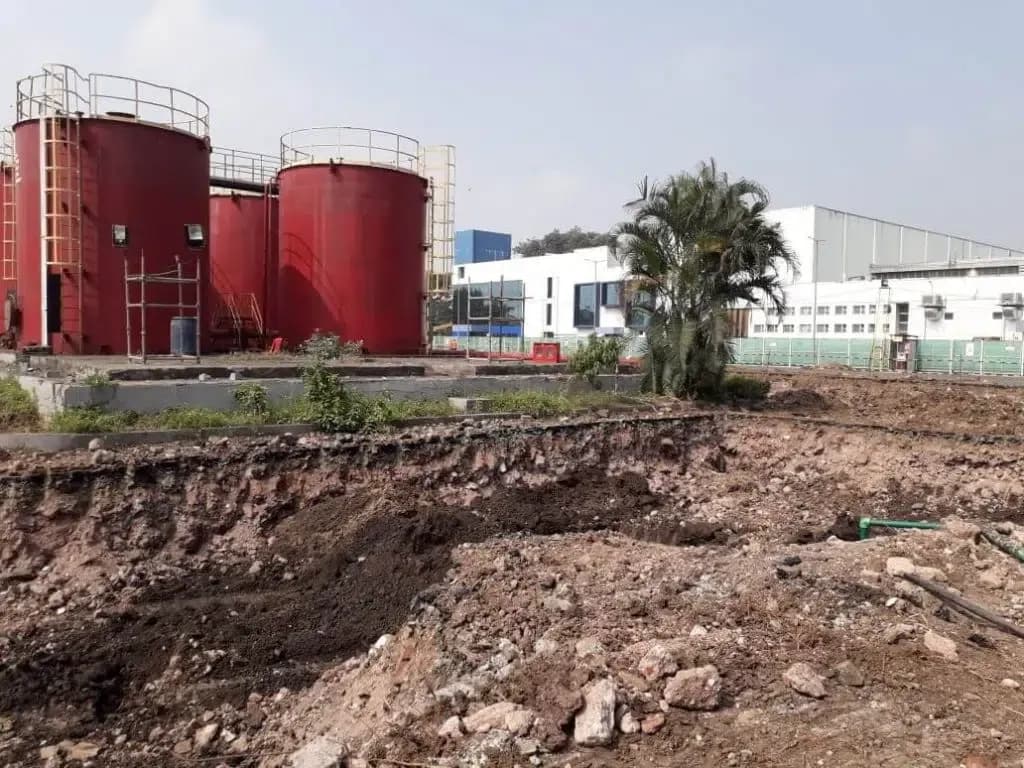
Dapodi, Pune, Maharashtra, India